The Invisible Frontier
How Biointerface Science is Bridging Biology and Technology
The Crucial Boundary Where Biology Meets Technology
Imagine if our electronic devices could seamlessly integrate with our bodies, if medical implants could function for decades without rejection, or if we could grow human tissues in the laboratory to test drugs or replace damaged organs.
Communication Gateways
These interfaces serve as crucial communication gateways where biological and synthetic systems exchange information, determining the success of medical devices and therapies.
Interdisciplinary Nature
The field sits at the nexus of multiple disciplines, bringing together materials science, chemistry, biology, engineering, and medicine to solve some of healthcare's most persistent challenges 6 .
Understanding Biointerfaces: The Cellular Conversation
Cellular Microenvironment
Surface Topography
Physical structure at the nanoscale profoundly influences cellular behavior through contact guidance 3 .
Nanopillars, nanogratings, and nanopits can influence stem cell differentiation toward specific tissue types based solely on physical cues.
Key Research Areas in Biointerface Science
| Research Area | Primary Focus | Applications | Key Challenges |
|---|---|---|---|
| Biosensing Interfaces | Optimizing recognition element-transducer interface | Medical diagnostics, environmental monitoring | Stability, sensitivity, accuracy in complex fluids 3 |
| Cell-Material Interfaces | Controlling cell behavior through surface properties | Tissue engineering, medical implants, drug screening | Mimicking dynamic nature of natural ECM 3 7 |
| Antibacterial Interfaces | Preventing bacterial attachment and biofilm formation | Medical devices, implants | Balancing antimicrobial properties with tissue compatibility 3 |
| Drug Delivery Interfaces | Controlling molecular transport across biological boundaries | Targeted therapies, RNA vaccines | Efficient navigation of biological barriers 4 |
Current Trends Revolutionizing Biointerface Science
Smart Responsive Interfaces
The next generation of biointerfaces is moving beyond static surfaces to dynamic systems that can change their properties in response to environmental cues like pH, temperature, light, or specific molecules .
These systems often rely on sophisticated host-guest complexes where molecular recognition events trigger structural changes at the interface.
Nano-Biointerfaces and RNA Therapeutics
Nanotechnology has opened remarkable possibilities at the biointerface. The integration of nanoparticles and biointerfaces has created opportunities across biology, biochemistry, and biotechnology .
The mode of action typically involves the formation of a protein corona, cellular contact, endocytosis, and intracellular transport.
This understanding has proven particularly valuable in the development of RNA delivery carriers, which have gained prominence through their use in COVID-19 vaccines 4 .
Controlling Stem Cell Fate
Perhaps one of the most exciting applications of biointerface engineering lies in controlling stem cell behavior.
Research has demonstrated that both changes in surface chemistry and nanostructure can guide stem cell development toward specific lineages 1 3 .
This approach is seen as a key component in the translation of stem cell therapeutics for clinical use.
Advantages of Nano-Biointerfaces
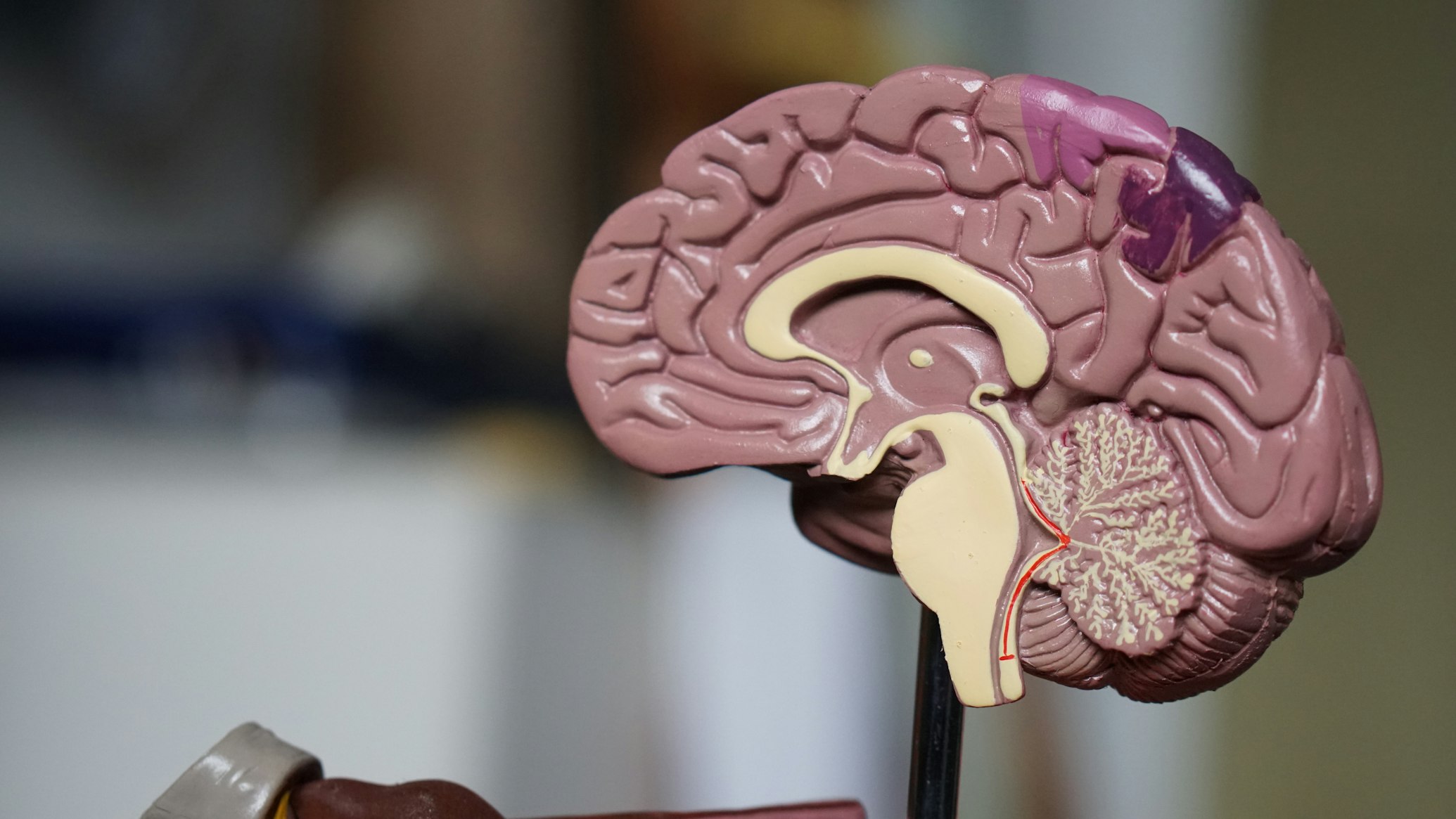
Nanoscale structures enable precise control over biological interactions at biointerfaces.
Featured Experiment: Hydrogel-Based Interfaces for Seamless Human-Machine Integration
Background and Rationale
Conventional neural interfaces often trigger foreign body reactions, causing gliosis and scar tissue formation that compromises their long-term functionality 8 .
To address this limitation, researchers developed a hydrogel-based biointerface specifically designed for brain-machine applications.
Methodology
- Material Synthesis: Created a zwitterionic hydrogel by copolymerizing sulfobetaine methacrylate and acrylamide.
- Conductivity Enhancement: Incorporated carbon nanotubes (CNTs) to enhance mechanical strength and electrical conductivity.
- Biocompatibility Testing: Performed comprehensive assessments using in vitro and in vivo models.
- Electrical Characterization: Measured ionic conductivity across a range of temperatures.
- Functional Testing: Integrated hydrogel into a circuit with an LED to demonstrate functionality.
Results and Analysis
Hydrogel Electrical Performance
| Temperature Condition | Ionic Conductivity (mS/cm) | Comparative Performance | Suitable Applications |
|---|---|---|---|
| Room Temperature | 12.6+ | Baseline performance | Wearable sensors, neural interfaces 8 |
| -20°C | Maintained functional conductivity | Stable LED illumination | Arctic medicine, cryogenic applications 8 |
| -40°C | 12.6 | Remarkable retention of conductivity | Extreme environment electronics 8 |
| After 30-day implantation | Minimal degradation | ~92% of initial conductivity | Long-term implantable devices 8 |
Key Findings
- Exceptional Biocompatibility: Minimal cytotoxic effects on human skin cells.
- Stable Electrical Performance: Maintained ionic conductivity of 12.6 mS/cm even at -40°C 8 .
- Mechanical Robustness: Carbon nanotubes improved mechanical properties.
- Functional Efficacy: Successfully functioned as a circuit conductor in LED applications.
Scientific Importance
These results demonstrate that soft, tissue-like materials can simultaneously provide excellent electrical functionality while maintaining biocompatibility—addressing what has traditionally been a fundamental trade-off in biointerface design.
The Scientist's Toolkit: Essential Technologies in Biointerface Research
Advancing our understanding of biointerfaces requires sophisticated analytical instrumentation and research tools 6 .
| Technology/Method | Primary Function | Research Applications | Key Insights Provided |
|---|---|---|---|
| Quartz Crystal Microbalance with Dissipation (QCM-D) | Measures molecule-surface interaction in real-time | Protein adsorption, cell attachment studies | Kinetics and mass of molecular interactions 6 |
| Surface Plasmon Resonance (SPR) | Detects changes in refractive index near surface | Biomolecular binding studies, biosensor development | Binding affinity, kinetics, specificity 3 |
| Atomic Force Microscopy (AFM) | High-resolution surface imaging and force measurement | Nanotopography characterization, single molecule studies | Surface roughness, mechanical properties, molecular forces 3 |
| Electron Beam Lithography | Creates nanoscale patterns on surfaces | Nanotopography fabrication for cell studies | Controlled pit, pillar, grating structures 3 |
| 3D/4D Bioprinting | Fabricates complex, cell-laden structures | Tissue engineering, disease modeling | Spatial control of biointerface geometry 8 |
| Neutron Reflectometry | Studies interface structure at molecular level | Lipid bilayer characterization, protein adsorption | Composition and density profiles across interfaces 9 |
Funding Prioritization
For researchers starting new laboratories with limited funding, QCM-D represents a particularly valuable initial investment due to its versatility in studying a wide range of biointerface interactions, from protein adsorption to cell attachment 6 .
Challenges and Future Directions
Current Challenges
- Complexity of Natural Systems: Natural ECMs are dynamic and constantly remodeling, while most synthetic biointerfaces are static 1 7 .
- Long-term Stability and Integration: Immune responses compromise the efficacy of implantable devices, leading to sensor-tissue detachment 8 .
- Foreign Body Reactions: Conventional neural interfaces often trigger reactions that limit functionality.
Future Directions
- Dynamic and Responsive Interfaces: Incorporating elements that change in response to environment .
- Multi-scale Fabrication Techniques: Combining nanoscale, microscale, and macroscale features 3 8 .
- Machine Learning and Big Data: Identifying patterns and design principles in complex interactions 9 .
- Advanced Characterization Methods: Techniques like friction force microscopy and hyperspectral microscopy 9 .
The Blurring Boundary Between Biology and Technology
Biointerface science represents one of the most exciting frontiers in modern engineering and medicine. By focusing on the crucial boundary where biological and synthetic systems meet, researchers are developing solutions to some of healthcare's most persistent challenges.
As research progresses, the distinction between biological and synthetic systems may increasingly blur, leading to a future where medical devices function as natural extensions of our physiology rather than foreign intruders.
This is the promise of biointerface science—not merely to create devices that work in the body, but to design interfaces that truly communicate with living systems on their own terms.