The Future of Food Wrap is Edible, Aromatic, and Alive
How Plant Power is Creating Packaging That Protects Your Food
Imagine unboxing a delivery of fresh strawberries. Instead of finding them nestled in a plastic clamshell, they're coated in a thin, invisible, shimmering film. You don't peel it off; you eat it right along with the berry.
Explore the FutureA World Beyond Plastic
In a world drowning in plastic waste, the quest for sustainable packaging has never been more urgent. But what if the solution wasn't just about finding a different container, but about reimagining packaging as an active, functional part of the food itself?
Welcome to the world of edible films and coatings, where scientists are harnessing the natural power of essential oils to create "active packaging" that preserves, protects, and even enhances what we eat.
What Are Edible Films and Coatings?
Thin, edible layers that become part of your food
Natural Examples
Think of the natural wax on an apple or the casing on a sausage—these are primitive examples of edible coatings.
Modern Innovations
Modern food scientists engineer sophisticated versions using biopolymers like proteins and polysaccharides.
Biodegradable Matrix
These materials form a biodegradable and edible matrix that can be enhanced with natural additives.
Common Biopolymers Used
- Proteins (Soy, Whey, Gelatin) 45%
- Polysaccharides (Alginate, Starch) 35%
- Cellulose 20%
Benefits of Edible Films
The Power Within: Essential Oils as Natural Protectors
Harnessing nature's defense system for food preservation
Essential oils are the highly concentrated, volatile compounds extracted from plants. They are the source of a plant's signature scent and are part of its natural defense system against pests, bacteria, and fungi.
When incorporated into an edible film, these oils transform a passive barrier into an "active packaging" system.
Antimicrobial Power
Oils like oregano, thyme, and cinnamon contain powerful compounds that can rupture the cell membranes of bacteria.
Antioxidant Activity
Oils like rosemary and clove are rich in antioxidants that prevent oxidative rancidity and browning.
Barrier Enhancement
The oils can alter the film structure, improving its ability to block moisture and oxygen.
Most Effective Essential Oils
- Oregano 95% Efficacy
- Thyme 92% Efficacy
- Cinnamon 88% Efficacy
- Clove 85% Efficacy
- Rosemary 80% Efficacy
A Deep Dive: Testing the Theory on Fresh-Cut Fruit
Can a Clove-Oil Coating Save the Banana?
Fresh-cut bananas are a notorious challenge. They brown quickly, become mushy, and are highly susceptible to microbial growth. A team of researchers designed an experiment to see if a chitosan-based coating infused with clove essential oil could be the solution.
Methodology: A Step-by-Step Guide
Film Solution Preparation
The scientists created four different solutions with varying concentrations of clove essential oil in a chitosan base.
Application
Fresh bananas were peeled, sliced, and divided into four groups. Each group was dipped in a different solution to form a thin, edible coating.
Storage & Monitoring
All banana slices were stored in controlled conditions and regularly measured for weight loss, browning, microbial count, and firmness over 12 days.
Results and Analysis: The Data Speaks
The results were striking. The coated bananas, especially those with higher concentrations of clove oil, performed far better than the uncoated control.
Table 1: The Browning Battle
How the different coatings prevented discoloration over time (lower score = less browning).
| Day | Control (No Coating) | Chitosan Only | 1.0% Clove Oil Coating |
|---|---|---|---|
| 0 | 15.0 | 15.0 | 15.0 |
| 4 | 45.2 | 32.1 | 22.5 |
| 8 | 68.5 (Heavily Brown) | 50.3 (Brown) | 30.8 (Slightly Brown) |
| 12 | - (Spoiled) | 65.1 | 38.9 |
Table 2: Microbial Shield
Total microbial count (log CFU/g) after 8 days of storage.
| Sample | Bacterial Count | Yeast/Mold Count |
|---|---|---|
| Control (No Coating) | 8.5 | 7.2 |
| Chitosan Only | 6.8 | 5.5 |
| 1.0% Clove Oil Coating | 4.1 | 3.0 |
Table 3: Preserving Freshness
Percentage of weight loss and firmness after 8 days.
| Sample | Weight Loss (%) | Firmness (N) |
|---|---|---|
| Fresh Banana (Day 0) | 0.0 | 12.5 |
| Control (No Coating) | 12.5 | 3.2 (Mushy) |
| 1.0% Clove Oil Coating | 5.8 | 8.1 |
The Scientist's Toolkit: Brewing the Perfect Edible Film
Key reagents and materials used in active packaging research
| Reagent / Material | Function in the Experiment |
|---|---|
| Chitosan | The film-forming polymer. It creates the main, biodegradable matrix that holds everything together. |
| Clove Essential Oil | The active agent. Provides antimicrobial and antioxidant power. |
| Glycerol | The plasticizer. Prevents the film from becoming brittle, making it flexible and strong. |
| Tween 80 (Emulsifier) | The unifier. Helps the oil mix evenly with the water-based chitosan solution, preventing separation. |
| Acetic Acid Solution | The solvent. Used to dissolve chitosan in water to create the base film solution. |
Research Process Visualization

Solution Preparation
Creating the chitosan base with essential oils

Coating Application
Dipping food samples in the edible coating solution
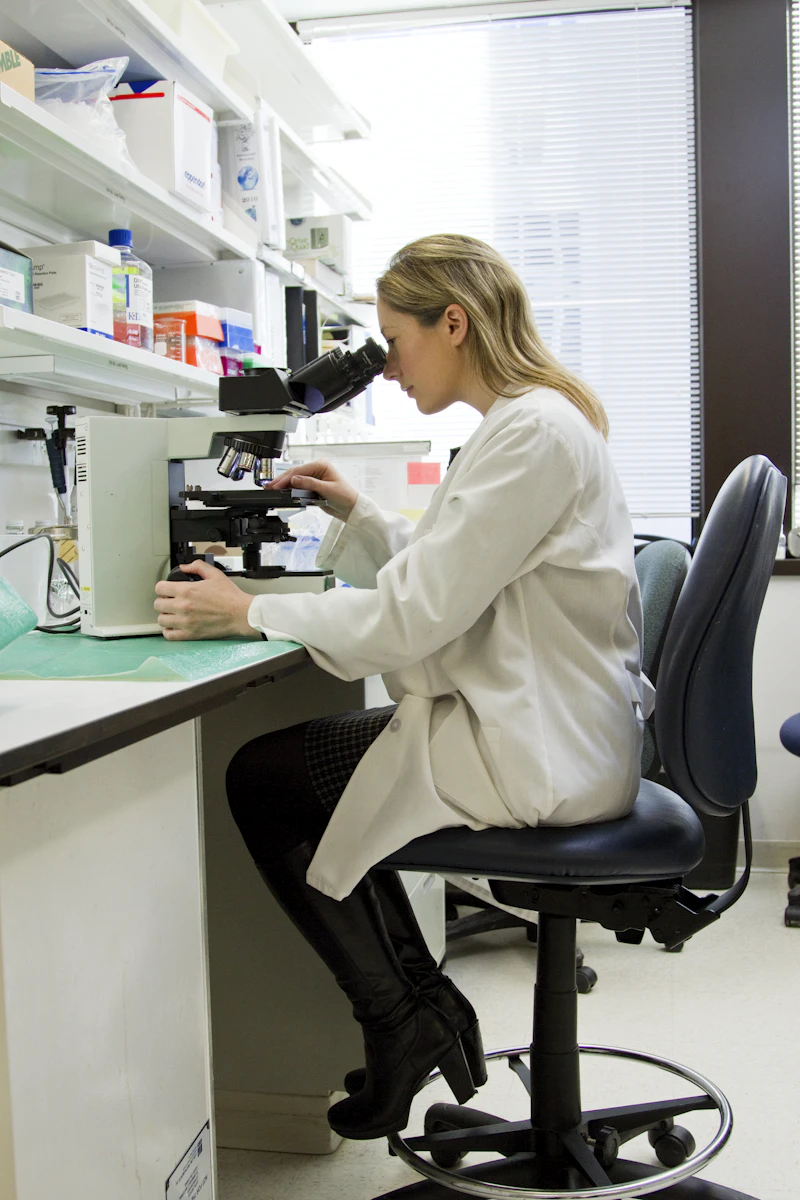
Quality Analysis
Measuring browning, firmness, and microbial growth
A Flavorful Future
The expanding applications of essential oil-based active packaging
The experiment with bananas is just one example of a global research effort. Similar successes have been shown with cheese, meat, fish, and a wide variety of fruits and vegetables, using oils from oregano, lemon, thyme, and rosemary.
Successful Applications
- Cheese
- Meat
- Fish
- Fruits
- Vegetables
- Bakery
Market Growth Projection
Challenges Ahead
The journey from the lab to our lunchboxes still has hurdles—standardizing flavors, ensuring large-scale production, and navigating consumer acceptance. But the path is clear.
The Future of Food Packaging
By looking to nature's own pharmacy, we are developing a future where packaging is no longer waste but an integral, active part of our food, working silently to reduce spoilage, combat food waste, and clean up our planet.
The next time you catch the scent of oregano or clove, you might just be smelling the future of food.