Building Better Bodies: Engineered Protein Scaffolds That Heal Human Tissue
Imagine if our bodies could come with a built-in repair kit—materials that could seamlessly integrate with our tissues and guide damaged cells to regenerate. This isn't science fiction; it's the cutting edge of bioengineering.
Introduction: The Body's Architectural Marvel
At the forefront of this revolution are hybrid molecules that combine the flexibility of elastin with the cell-binding wisdom of fibronectin, one of the body's key architectural proteins.
The extracellular matrix (ECM) is the structural scaffolding that exists between our cells, providing not just physical support but crucial biochemical signals that tell cells how to behave 5 . In times of injury, the ECM plays a particularly important role—cells dramatically upregulate their assembly of fibronectin fibrils, which then provide a foundation for the incorporation of other proteins that form the repair tissue 1 5 .
Inspired by this natural healing process, scientists have asked a revolutionary question: what if we could engineer an even better version of these matrices?
Bioengineered Materials
Custom-designed proteins that mimic natural tissue components
Smart Polymers
Materials that respond to environmental cues like temperature
Regenerative Medicine
Applications in tissue engineering and wound healing
The Extracellular Matrix: Nature's Biological Blueprint
Why Your Cells Don't Float Away
The extracellular matrix is much more than cellular filler—it's a dynamic, information-rich environment that dictates cell behavior through both mechanical and biochemical cues 5 .
Limitations of Natural ECM
Natural ECM components have poorly defined chemical structures and exhibit inconsistent batch-to-batch reproducibility 2 .
The Modular Design Revolution: Engineering Better Than Nature
To overcome the limitations of natural ECM materials, scientists have turned to recombinant protein technologies that allow for the creation of engineered ECM (eECM) with precisely controlled properties 2 .
Decoupled Control
Isolate material variables for mechanistic studies
Physiological Relevance
More accurate in vitro culture environments
Reproducibility
Consistent materials for clinical applications
Complex Functionality
Multi-functional, responsive, bioactive materials
Meet the Key Players: Elastin-Like Polypeptides and Fibronectin Domains
Elastin-Like Polypeptides (ELPs)
ELPs are artificial, genetically encodable biopolymers based on the repeating pentapeptide sequence (Val-Pro-Gly-Xaa-Gly)n 9 .
Fibronectin CS5 Domain
The CS5 domain of fibronectin contains a specific peptide sequence (most notably the REDV amino acid sequence) that recognizes and binds to specific integrin receptors on cell surfaces 3 4 .
- Binds specifically to α4β1 integrin
- Greater selectivity than the promiscuous RGD sequence 3
- Allows communication with specific cell types
- Crucial for designing implants with appropriate cellular responses
ELP Phase Transition Behavior
Below Transition Temp
ELPs remain hydrated and disordered
Transition Point
Temperature-dependent phase change
Above Transition Temp
ELPs dehydrate and form β-turn structures
A Closer Look at the Groundbreaking Experiment
Research Question & Design
The research team set out to create a novel biomaterial that combined the physical properties of elastin with the bioadhesive properties of fibronectin 4 .
Gene Design & Synthesis
Researchers designed a synthetic gene encoding a hybrid protein with alternating elastin-like repeats and CS5 domains 4 .
Plasmid Construction
The synthesized gene was inserted into a pET22b+ plasmid vector and transformed into E. coli host cells 4 .
Protein Expression & Purification
Using inverse transition cycling (ITC), researchers purified the desired protein by temperature-controlled precipitation 4 9 .
Material Fabrication
Purified proteins were fabricated into membranes using glutaraldehyde cross-linking to create stable networks 4 .
Characterization
Materials were tested for mechanical properties, cell adhesion, and specific cellular responses 4 .
Key Findings and Significance
Temperature Transitions
Hybrid ELP-CS5 proteins maintained smart polymer behavior
Enhanced Cell Adhesion
Significantly improved compared to non-adhesive controls
Optimal Spacing
Periodic CS5 domains created ideal integrin binding presentation
| Material Type | Bioactive Domains | Key Features | Primary Applications Tested |
|---|---|---|---|
| ELP only | None | Thermoreversible, cross-linkable | Control for physical properties |
| ELP-CS5 | Fibronectin CS5 domain (REDV) | Integrin-specific adhesion | Endothelial cell adhesion |
| ELP-RGD | Conventional RGD sequence | Broad-specificity adhesion | General cell adhesion |
| Material Property | ELP Only | ELP-CS5 | ELP-RGD |
|---|---|---|---|
| Transition Temperature | Similar across groups | Slightly elevated | Similar to ELP only |
| Cell Adhesion | Low | High and specific | High but non-specific |
| Mechanical Properties | Tunable elasticity | Tunable elasticity | Tunable elasticity |
| Cross-linking Efficiency | High | High | High |
| Feature | Benefit | Application Impact |
|---|---|---|
| Genetic Encodability | Precise control over sequence and length | Reproducible manufacturing |
| Thermoreversibility | Easy purification and processing | Scalable production |
| Customizable Bioactivity | Specific cell signaling | Targeted tissue response |
| Tunable Mechanics | Matching native tissue properties | Optimal cell function |
| Biocompatibility | Natural amino acid composition | Reduced immune response |
The Scientist's Toolkit: Essential Research Reagents
| Reagent/Tool | Function | Role in Research |
|---|---|---|
| pET22b(+) Vector | Expression plasmid | Carries the engineered gene and enables protein production in E. coli |
| Restriction Enzymes | Molecular scissors | Cut DNA at specific sites to allow gene assembly |
| Elastin-like Polypeptides | Structural backbone | Provide smart polymer behavior and mechanical properties |
| Fibronectin CS5 Domain | Bioactive signaling | Mediates specific cell adhesion through integrin binding |
| Glutaraldehyde | Cross-linking agent | Creates stable networks by linking lysine residues |
| Inverse Transition Cycling | Purification technique | Exploits ELP phase behavior to purify the fusion proteins |
Applications and Future Directions: From Lab Bench to Bedside
Vascular Grafts
Support endothelial cell adhesion and prevent thrombosis 4
Nerve Guidance Conduits
Promote Schwann cell adhesion and peripheral nerve regeneration 3
Skin Wound Healing
Provide structural support and appropriate cellular cues 4
Customizable Substrates
Fundamental studies of cell-matrix interactions 2
Recent advances have expanded this approach beyond fibronectin domains to include laminin-derived peptides (such as A99, A2G80, AG73, and EF1m) that bind to different cellular receptors including integrins, syndecans, and dystroglycans 6 .
Conclusion: The Future of Regenerative Medicine
The creation of elastin-like artificial extracellular matrix proteins with periodically spaced fibronectin domains represents a perfect marriage of biology and engineering. By understanding and mimicking nature's design principles while improving upon them through precise engineering, scientists are developing powerful new tools for tissue regeneration.
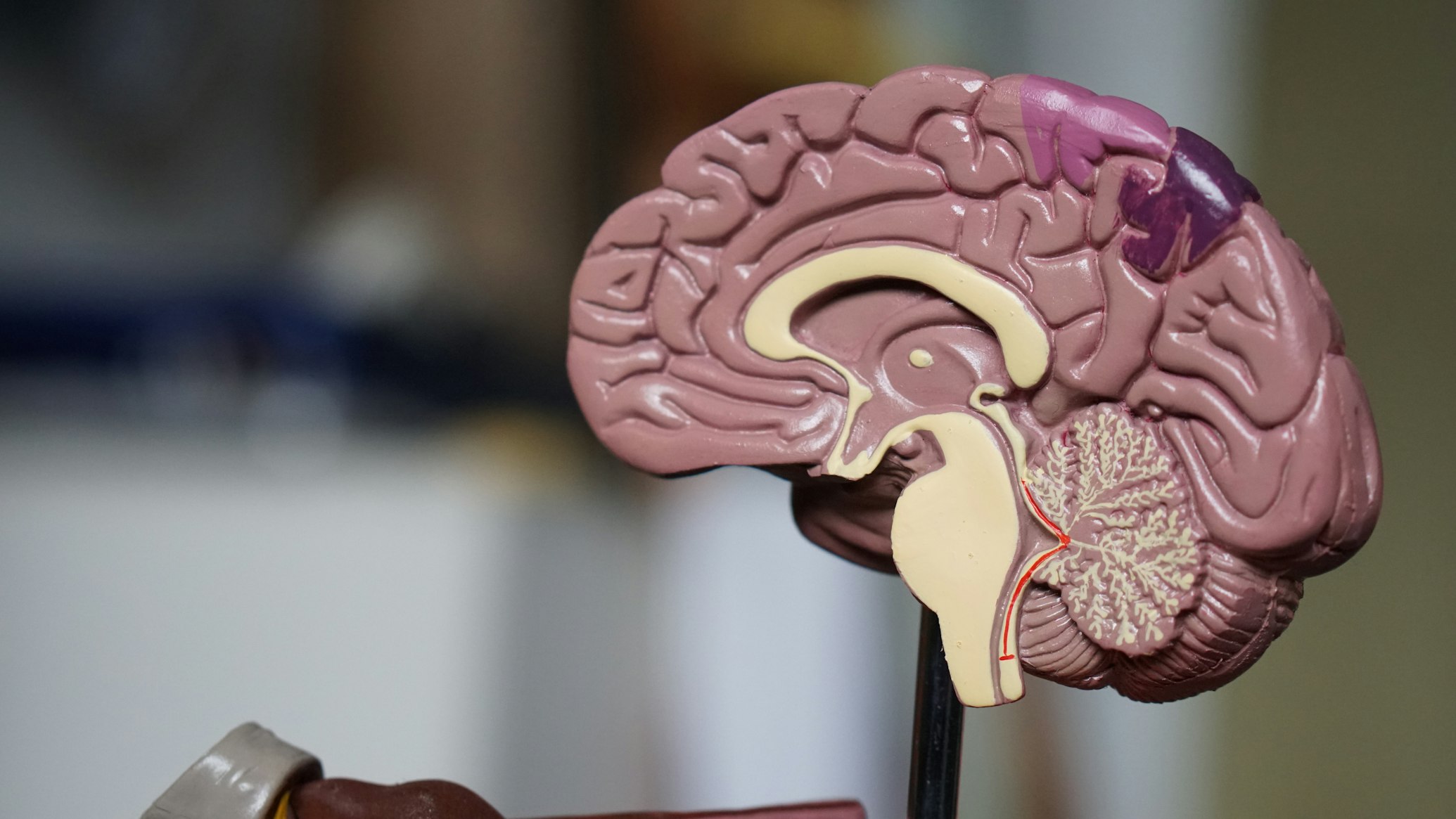
These smart biomaterials don't merely passively support cells—they actively communicate with them, providing specific instructions that guide healing and regeneration. As this technology continues to evolve, we move closer to a future where damaged tissues and organs can be reliably repaired or replaced, fundamentally changing how we treat injury and disease.