Advanced Polymer Composites for Soft Robotics: Materials, Manufacturing, and Biomedical Applications
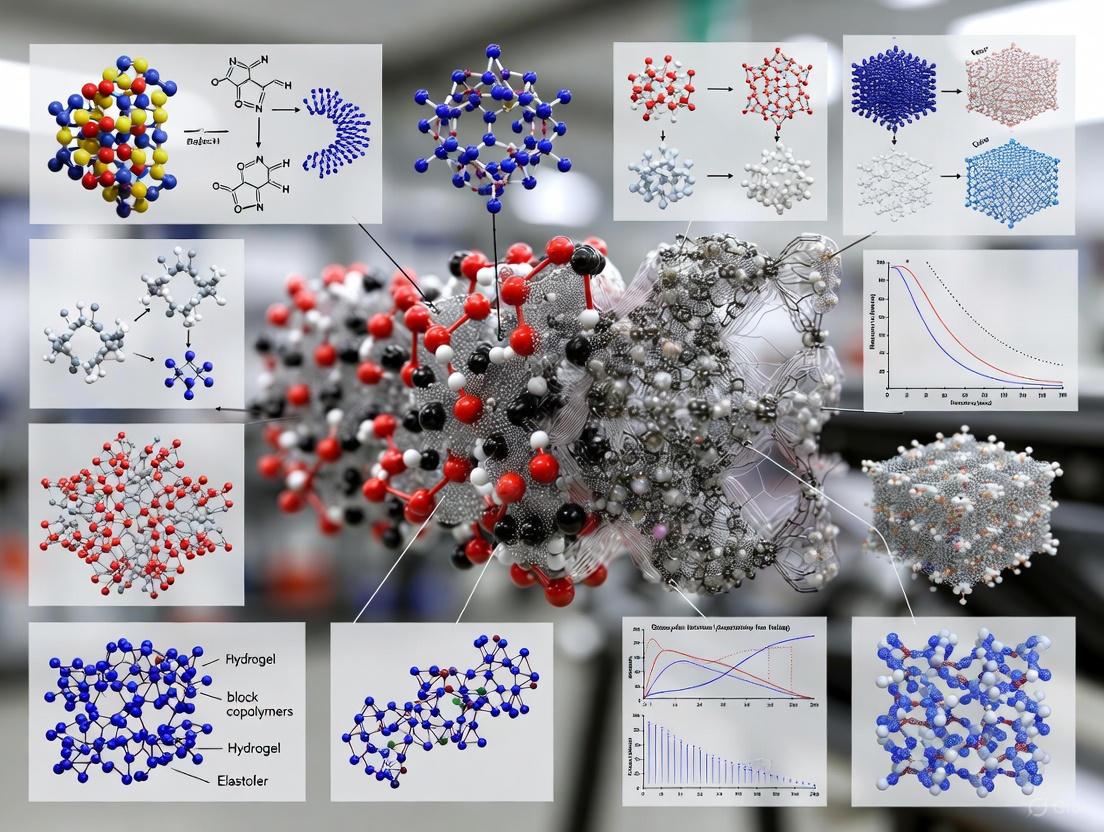
This article provides a comprehensive review of the latest advancements in polymer composites for soft robotics, tailored for researchers and professionals in drug development and biomedical fields.
Advanced Polymer Composites for Soft Robotics: Materials, Manufacturing, and Biomedical Applications
Abstract
This article provides a comprehensive review of the latest advancements in polymer composites for soft robotics, tailored for researchers and professionals in drug development and biomedical fields. It explores the foundational principles of stimuli-responsive materials, including electroactive polymers, magnetic composites, and shape memory systems. The scope covers cutting-edge manufacturing techniques like 3D printing, methodological approaches for creating actuators and sensors, and optimization strategies to overcome material limitations. Finally, it presents a comparative analysis of material performance, validating their potential in transformative biomedical applications such as targeted drug delivery, minimally invasive surgery, and compliant prosthetic devices.
The Building Blocks of Soft Robotics: Understanding Polymer Composites and Their Actuation Mechanisms
The field of soft robotics has transformed drastically in this century, with a pronounced focus on developing machines that are inherently safe, adaptive, and resilient. These robots, characterized by their elasticity and impact resistance, are particularly well-suited for challenging environments, from navigating debris fields to interacting safely with humans [1]. However, the very flexibility that defines soft robots often undermines their structural integrity and limits their movement precision, leading to challenges such as diminished speeds and a dependency on open-curve movement paths [1]. Polymer composites have emerged as a key enabler to overcome this paradox, allowing designers to synergize the strengths of soft and rigid materials within monolithic structures. This document, framed within a broader thesis on polymer composites, provides detailed application notes and experimental protocols to guide researchers in the fabrication and evaluation of these advanced materials for next-generation soft robotic systems.
Key Developments and Material Solutions
Recent breakthroughs in material design and fabrication are directly addressing the core limitations of soft robotics. The following table summarizes two significant advancements that inform the subsequent protocols.
Table 1: Recent Advances in Polymer Composites for Soft Robotics
| Development | Material System | Key Property Achieved | Demonstrated Application |
|---|---|---|---|
| Multi-Resin Fiber-Reinforced Polymer (FRP) [2] | Epoxy resins (rigid and flexible) combined with fibers | Selective control of rigidity and flexibility; Flexural modulus of 6.95 GPa (rigid) and 0.66 GPa (foldable) [2] | Deployable space structures (e.g., solar panels); Transformer-like robot joints [2] |
| Multi-Material Fused Deposition Modeling (FDM) [1] | Thermoplastic Polyurethanes (TPUs) of varying Shore hardness (75D, 95A, 85A) | Bending radius < 0.5 mm in foldable sections; High strain tolerance under repetitive cycles [1] | Legged quadruped robots capable of operating on sand, soil, and rock [1] |
Experimental Protocols
This section provides a detailed methodology for fabricating and characterizing multi-material polymer composites, based on the FDM framework [1].
Protocol: Fabrication of Multi-Material Tensile Specimens
Objective: To create and test the interfacial strength between polymer composites with different Shore hardness values.
Materials & Equipment:
- Materials: Thermoplastic Polyurethane (TPU) filaments with Shore hardness levels of 75D, 95A, and 85A.
- Software: Computer-Aided Design (CAD) software.
- Hardware: Fused Deposition Modeling (FDM) 3D printer equipped with a tool-changer and multiple extruders.
Procedure:
- Design: Using CAD software, design standard tensile testing specimens (e.g., conforming to ASTM D638) that incorporate three distinct interfacing methods within their gauge length:
- Straight Interface: A simple, planar interface between the two materials.
- Dovetail Joint: An interlocking joint with a trapezoidal profile.
- Finger Joint: An interlocking joint with a rectangular, comb-like profile.
- Design Note: Maximize the contact area of dovetail and finger joints within the constraints of the specimen size and the printer's resolution [1].
- Preparation: Load the different TPU filaments into separate extruders on the tool-changer.
- Printing: Initiate the sequential printing process. The tool-changer will deposit the different materials within a single layer according to the digital design. Note that the sequential printing allows the previously extruded material to cool, which presents a fusion challenge compared to single-material prints [1].
- Control Group: Fabricate additional specimens from uniform (single-material) TPU to serve as a baseline and to assess any strength degradation in the multi-material prints [1].
Protocol: Tensile and Cyclic Testing
Objective: To quantitatively evaluate the mechanical properties and durability of the fabricated multi-material specimens.
Materials & Equipment:
- Universal tensile testing machine.
- Cyclic fatigue testing apparatus (following ASTM standards).
- Fabricated tensile specimens.
Procedure:
- Tensile Test:
- Mount a specimen in the tensile tester.
- Apply a uniaxial tensile force at a constant strain rate until specimen failure.
- Record the stress-strain data throughout the test.
- Calculate the Young's Modulus for each specimen from the linear elastic region of the stress-strain curve [1].
- Document the ultimate tensile force at which failure occurs for each interface type [1].
- Cyclic Fatigue Test:
- Mount a new specimen in the cyclic testing apparatus.
- Subject the specimen to a minimum of 10,000 cycles of tensile loading and unloading at a stress level relevant to the target application (e.g., below 0.9 MPa for walking motions) [1].
- Monitor and record the specimen for signs of delamination or failure.
Data Presentation and Analysis
The experimental protocols yield quantitative data critical for material selection and design.
Table 2: Quantitative Analysis of Multi-Material Interfaces [1]
| Material Combination | Interface Type | Key Mechanical Behavior | Performance Summary |
|---|---|---|---|
| TPU 75D / 95A / 85A | Straight | Separation at low-stress levels; smallest contact surface area. | Insufficient for high-force applications. |
| TPU 75D / 95A / 85A | Dovetail & Finger Joints | Withstood stress > 4x operational requirement (≥ 4 MPa vs. ~0.9 MPa); endured >10,000 cycles. | Recommended for reliable operation; provides mechanical locking. |
| All Combined Specimens | All | Young's Modulus values between constituent materials; behavior dominated by the more elastomeric component. | Enables tuning of material properties for specific robot functions. |
The Scientist's Toolkit: Research Reagent Solutions
Table 3: Essential Materials for Multi-Material Soft Robotics Research
| Item | Function/Description | Example Use-Case |
|---|---|---|
| Thermoplastic Polyurethane (TPU) Filaments | A class of flexible, durable, and abrasion-resistant polymers. Varying Shore hardness (e.g., 75D, 95A, 85A) allows for graded stiffness. | Used as the primary material for printing soft robotic mechanisms and joints [1]. |
| Multi-Resin Epoxy System | A two-component (rigid & flexible) resin system for Fiber-Reinforced Polymers (FRPs). | Enables creation of monolithic composites with selectively patterned rigidity for deployable structures [2]. |
| FDM 3D Printer with Tool-Changer | A fabrication system with multiple extruders for printing with different materials without manual intervention. | Critical for automated fabrication of complex, multi-material soft robotic structures [1]. |
| Dovetail & Finger Joint Interfaces | Mechanical interlocking features designed into the CAD model to enhance bonding between dissimilar materials. | Significantly improves interfacial strength in multi-material prints, preventing delamination under load [1]. |
Workflow Visualization
The following diagram illustrates the integrated experimental and design workflow for developing polymer composite-based soft robots, from concept to functional validation.
Soft Robotics Development Workflow
Electroactive polymers (EAPs) represent a versatile class of smart materials capable of converting electrical energy into mechanical motion and vice versa, positioning them as foundational components for the next generation of soft robotics and artificial muscles [3] [4]. Their high strain capability, flexibility, low density, and mechanical compliance make them ideal for applications where rigid robots are unsuitable, such as biomedical devices, wearable electronics, and adaptive grippers that interact safely with humans or delicate objects [4] [5]. The intrinsic properties of EAPs—including affordability, ease of fabrication, high power density, and silent operation—allow them to eliminate the need for traditional gears, bearings, and other complex mechanical components, thereby enabling more natural, fluid movements that closely mimic biological tissues [4] [5].
The historical development of EAPs dates back to 1880 with Wilhelm Roentgen's early experiments on electrically-induced deformation in rubber [3]. Significant milestones include the discovery of piezoelectric polymers in the 1920s, the introduction of ionic polymer-metal composites (IPMCs) and conductive polymers in the 1970s-80s, and the emergence of dielectric elastomer actuators (DEAs) in the 1990s [3]. Recent advancements in additive manufacturing, nanocomposite engineering, and AI-integrated control systems have further expanded their potential, making EAPs central to the development of intelligent, adaptive soft robotic systems [3] [4]. For researchers and scientists focused on polymer composites for soft robotics, understanding the fundamental classification, operational mechanisms, and application-specific selection criteria for EAPs is paramount.
Classification and Fundamental Operating Mechanisms
EAPs are broadly categorized into two distinct classes based on their underlying activation mechanism: Electronic EAPs and Ionic EAPs [3] [4] [6]. This classification is critical as it dictates fundamental performance parameters such as driving voltage, response speed, achievable strain, and suitable application environments. The following sections delineate the operational principles and material characteristics of each category.
Electronic EAPs (Field-Activated)
Electronic EAPs operate through Coulombic forces generated by the application of an external electric field, leading to electrostatic deformation without significant ionic movement [3] [4]. Their actuation mechanism is governed by Maxwell stress, which causes a compressive pressure on the polymer, leading to lateral expansion. This pressure P can be described as:
P = ϵ₀ϵᵣ(V/d)²
where ϵ₀ is the vacuum permittivity, ϵᵣ is the relative permittivity of the elastomer, V is the applied voltage, and d is the thickness of the film [3]. The resulting actuation strain ε is approximately ε = P/Y, where Y is the elastic modulus of the material [3].
- Dielectric Elastomers (DEs): These function as variable capacitors, typically consisting of a thin elastomeric dielectric film (e.g., acrylics, silicones, polyurethanes) sandwiched between two compliant electrodes [3] [4]. Upon voltage application, electrostatic forces compress the film, causing it to expand in area. They are known for large strain responses (>100%) but typically require high voltages (1–10 kV) [3].
- Ferroelectric Polymers: Materials like polyvinylidene fluoride (PVDF) and its copolymers exhibit piezoelectric properties, generating a mechanical strain in response to an applied electric field due to molecular dipole alignment. They are valuable in energy harvesting, biomedical sensors, and MEMS [3] [4].
- Liquid Crystal Elastomers (LCEs): These materials undergo molecular reorientation under electric fields, enabling programmable and reversible shape changes. They are being explored for adaptive optics, artificial muscles, and biomedical devices [3] [4].
Ionic EAPs (Ion-Activated)
Ionic EAPs deform due to the migration of ions within the polymer structure when stimulated by a low-voltage potential (typically < 5 V) [3] [6]. The actuation is driven by electrochemical processes, such as redox reactions, which induce volume changes in the material.
- Ionic Polymer-Metal Composites (IPMCs): These consist of a hydrated ion-conductive polymer membrane (e.g., Nafion) sandwiched between metal electrodes. Application of a low voltage causes cation migration and subsequent swelling/contraction, resulting in a bending motion [3] [7].
- Conducting Polymers (CPs): Polymers like polypyrrole (PPy), polyaniline (PANI), and Poly(3,4-ethylenedioxythiophene) (PEDOT) undergo reversible volume changes during electrochemical oxidation and reduction (redox) cycles. Ions and solvent molecules move into and out of the polymer matrix to balance charge, leading to expansion and contraction [6].
- Ionic Gels and Polyelectrolyte Gels: These networks swell or contract under an electric field due to ion mobility and electrostatic interactions, making them suitable for drug delivery systems and soft actuators [3] [7].
The diagram below illustrates the fundamental operational mechanisms and common device architectures for these two primary classes of EAPs.
Comparative Analysis: Ionic vs. Electronic EAPs
Selecting the appropriate EAP for a specific application in soft robotics requires a clear understanding of the performance trade-offs between ionic and electronic types. The following tables provide a quantitative and qualitative comparison of their key characteristics.
Table 1: Performance and Operational Parameters of Ionic vs. Electronic EAPs
| Parameter | Ionic EAPs | Electronic EAPs |
|---|---|---|
| Actuation Voltage | Low (1–5 V) [4] [6] | High (hundreds of V to several kV) [3] [6] |
| Power Consumption | Low power, but often requires continuous current for holding position [6] | Low current, primarily reactive power, can hold position with voltage [3] |
| Typical Strain | Moderate to high (e.g., Conducting Polymers: ~6%; IPMCs: large bending) [4] [6] | Very high (e.g., Dielectric Elastomers: >100%) [3] [4] |
| Response Speed | Slower (hundreds of milliseconds to seconds) due to ion diffusion [6] | Faster (millisecond range) [3] [6] |
| Mechanical Force/Stress | Lower force output | High force output; high energy density [4] |
| Key Advantages | Low-voltage operation, significant bending displacements, suitable for wet environments [3] [7] | Fast response, high strain and energy density, stable in dry environments, good positional holding [3] [4] |
| Major Challenges | Shorter cycle life due to electrolyte degradation, prone to creep, often requires liquid electrolyte [6] | Requires high-voltage circuitry, viscoelastic creep, premature dielectric breakdown [3] |
Table 2: Material Composition and Application Suitability
| Aspect | Ionic EAPs | Electronic EAPs |
|---|---|---|
| Common Materials | Conducting Polymers (PPy, PANI, PEDOT), Ionic Polymers (Nafion), Ionic Liquids/Gels [3] [6] | Dielectric Elastomers (Acrylics, Silicones, TPU), Ferroelectric Polymers (PVDF), Liquid Crystal Elastomers [3] [4] |
| Typical Electrodes | Platinum, Gold, Carbon-based materials, Conductive polymers [3] [6] | Carbon grease, graphite, silver nanoparticle inks, carbon nanotubes, thin metallic films [3] [4] |
| Ion/Charge Carrier | Mobile ions (H⁺, Li⁺, Na⁺, ionic liquids) [7] [6] | Electrons (electronic polarization) [3] |
| Ideal Applications | Biomedical devices (drug delivery), bio-inspired robotics, micro-manipulators, underwater applications [3] [4] | Soft grippers, tunable lenses, haptic interfaces, loudspeakers, large-stroke actuators, aerospace morphing structures [3] [4] |
Experimental Protocols for EAP Actuator Fabrication and Testing
This section provides detailed methodologies for fabricating and characterizing two common types of EAP actuators, serving as a practical guide for researchers developing functional prototypes for soft robotics.
Protocol 1: Fabrication of a Dielectric Elastomer Actuator (DEA)
Principle: A DEA operates as a compliant capacitor. Electrostatic Maxwell stress induced by a high electric field causes thickness compression and area expansion of the dielectric layer [3].
Materials:
- Dielectric Layer: VHB 4905/4910 tape (3M), Polydimethylsiloxane (PDMS), or Thermoplastic Polyurethane (TPU).
- Compliant Electrodes: Carbon grease, carbon black/silicone mixtures, screen-printable carbon or silver ink, PEDOT:PSS.
- Frame: Rigid (e.g., acrylic) or flexible (e.g., PET) frame to support the pre-strained film.
Procedure:
- Film Pre-straining: Mount a sheet of the dielectric elastomer (e.g., VHB) on a mechanical stretcher. Apply a biaxial pre-strain (e.g., 300% x 300%). Pre-strain enhances actuation strain and prevents electromechanical instability [3]. Transfer the pre-strained film onto a rigid or flexible support frame.
- Electrode Deposition: Apply compliant electrode material to both sides of the pre-strained dielectric film, ensuring full coverage of the active area. Common methods include:
- Curing/Setting: Allow the electrode material to set. For silicone-based electrodes, this may involve thermal curing. Carbon grease can be used immediately.
- Electrical Connections: Attach thin, flexible wires (e.g., copper tape) to the electrode areas using a small amount of conductive adhesive or the electrode material itself.
Protocol 2: Fabrication of a Conducting Polymer (CP) Bilayer Actuator
Principle: A bilayer actuator is constructed by laminating a conducting polymer film to a passive, flexible substrate. Volume changes in the CP during electrochemical redox cycling induce bending motion [6].
Materials:
- Conducting Polymer (CP): Polypyrrole (PPy) or Poly(3,4-ethylenedioxythiophene) (PEDOT) film.
- Passive Substrate: Polyvinylidene Fluoride (PVDF), polyimide tape, or thin polyester.
- Electrolyte: Ionic liquid (e.g., 1-ethyl-3-methylimidazolium tetrafluoroborate, [EMIM][BF₄]) or aqueous salt solution (e.g., LiCl).
- Electrodes: Platinum or stainless steel foil for counter and reference electrodes.
Procedure:
- Substrate Preparation: Cut the passive substrate to the desired dimensions. Clean the surface with ethanol to ensure good adhesion.
- CP Film Synthesis/Adhesion:
- Electropolymerization: Immerse the substrate (acting as a working electrode) along with counter and reference electrodes in a monomer solution (e.g., 0.1 M pyrrole). Apply a constant current or potential to electropolymerize a CP film directly onto the substrate [6].
- Adhesive Lamination: Alternatively, a pre-synthesized CP film can be bonded to the substrate using a thin layer of a compatible adhesive or by hot-pressing.
- Actuator Assembly: Attach electrical leads to the CP layer and the metal substrate (if conductive) using silver paint or conductive tape. If the substrate is insulating, the lead is attached only to the CP layer.
- Electrochemical Actuation:
- Immerse the actuator strip in the chosen electrolyte.
- Connect the CP layer as the working electrode and a separate metal foil as the counter/reference electrode.
- Using a potentiostat, apply a low-voltage square wave or cyclic voltammetry (typically between -1.0 V and +0.5 V vs. reference) to induce redox reactions. Oxidation causes ion insertion and swelling, while reduction causes ion expulsion and contraction, resulting in reversible bending [6].
Protocol 3: Performance Characterization of an EAP Actuator
Objective: To quantitatively measure the free displacement, blocking force, and frequency response of a fabricated EAP actuator.
Setup:
- Test Chamber: If testing ionic EAPs, a container for the electrolyte with integrated electrodes.
- Optical Measurement: A laser displacement sensor (e.g., Keyence) or a camera-based motion tracking system.
- Force Measurement: A micro-force sensor (e.g., from Futek or Transducer Techniques).
- Signal Generation: A function/arbitrary waveform generator.
- Data Acquisition: A computer with DAQ card and control software (e.g., LabVIEW, Python).
Procedure:
- Free Displacement Test: Clamp one end of the actuator. Using the laser sensor or camera, measure the tip displacement at the free end while applying the driving signal (voltage for DEAs, potential for CPs). Record the maximum displacement for a given input.
- Blocking Force Test: Bring the force sensor into contact with the tip of the actuator, preventing movement. Apply the same driving signal and record the peak force generated by the actuator.
- Frequency Response Test: Drive the actuator with a constant-amplitude sinusoidal signal while sweeping the frequency. Measure the displacement amplitude at each frequency to plot a Bode diagram and identify the actuator's bandwidth and resonant frequency.
- Cycle Life Test: Subject the actuator to continuous cycling (e.g., 10,000 cycles) at a specified frequency and amplitude. Periodically measure displacement and force to monitor performance degradation over time [9] [6].
The workflow for the fabrication and characterization of a typical EAP actuator is summarized below.
The Scientist's Toolkit: Key Research Reagents and Materials
Table 3: Essential Materials for EAP Actuator Research
| Material/Reagent | Function and Rationale |
|---|---|
| VHB 4905/4910 Tape (3M) | A widely used acrylic dielectric elastomer known for its high dielectric constant and ability to achieve large strains when pre-strained [3]. |
| Polydimethylsiloxane (PDMS) | A silicone-based elastomer (e.g., Sylgard 184) used as a dielectric layer; offers excellent elasticity and faster response than acrylics, though often requires additives to enhance dielectric properties [3]. |
| Polypyrrole (PPy) / PEDOT | Common conducting polymers for ionic EAPs. They undergo volume change during electrochemical redox reactions, providing the actuation mechanism [6]. |
| Nafion Membrane | A perfluorosulfonate ion-exchange membrane used as the core material for Ionic Polymer-Metal Composites (IPMCs) [3] [7]. |
| Ionic Liquids (e.g., [EMIM][BF₄]) | Serve as non-volatile, stable electrolytes for ionic EAPs, enabling operation in air and enhancing device lifetime by preventing drying [6]. |
| Carbon Grease / Carbon Black | Standard materials for creating compliant, stretchable electrodes in Dielectric Elastomer Actuators (DEAs) [3] [4]. |
| Barium Titanate (BaTiO₃) Nanoparticles | High-permittivity ceramic nanoparticles used as fillers in dielectric elastomer composites to significantly increase the dielectric constant, enabling higher actuation strain at lower fields [3]. |
| Polyvinylidene Fluoride (PVDF) | A ferroelectric polymer used for its piezoelectric properties, making it suitable for sensors and energy harvesters integrated into soft robotic systems [3] [4]. |
The strategic selection between ionic and electronic EAPs is fundamental to advancing soft robotics research. As outlined in this application note, the choice hinges on a clear trade-off between operational voltage, response speed, and strain requirements. Electronic EAPs, particularly dielectric elastomers, offer high strain and force under fast response times but necessitate high-voltage driving electronics. Ionic EAPs, such as conducting polymers and IPMCs, provide significant deformation at low voltages, ideal for biomedical and portable applications, albeit with slower response speeds and potential longevity concerns in air [3] [4] [6].
The future of EAPs in soft robotics is being shaped by several key research frontiers. The integration of machine learning (ML) and artificial intelligence (AI) is proving transformative, with convolutional neural networks (CNNs) and deep reinforcement learning (DRL) being deployed to mitigate viscoelastic hysteresis and enhance real-time control in complex, untethered soft robotic systems [3] [4]. The push for sustainability is driving the development of renewable and biodegradable ionic EAPs, with biopolymeric actuators expected to see significant market growth [7]. Furthermore, innovations in additive manufacturing and nanocomposite engineering are enabling the fabrication of complex, miniaturized EAP structures with enhanced performance [3] [10]. Finally, the creation of multimodal, self-powered systems that combine actuation, sensing, and energy harvesting within a single material structure represents a crucial step towards fully autonomous, intelligent soft robots [11] [12]. For researchers, focusing on these interdisciplinary areas will be key to unlocking the full potential of electroactive polymers in the next generation of soft robotic technologies.
Dielectric elastomers (DEs) are a class of electroactive polymers that demonstrate significant deformation under an applied electric field, making them exceptional candidates for soft robotics and artificial muscle applications [13] [14]. These materials function as compliant capacitors, where an elastomer film is sandwiched between two compliant electrodes. Upon voltage application, electrostatic Maxwell stress compresses the film in thickness and causes it to expand in planar area [14]. This fundamental principle enables DEs to achieve large strains, possess high energy density, and offer fast response times, closely mimicking the behavior of natural muscle [15].
The performance of dielectric elastomer actuators (DEAs) is critically dependent on the intrinsic properties of the elastomer material. The key figures of merit are a high dielectric constant to maximize electrostatic forces and a low elastic modulus to minimize mechanical resistance to deformation [16]. The interplay of these properties is encapsulated in the electromechanical sensitivity factor (β = ε/Y), which must be maximized to achieve large actuation strains at low driving electric fields [17]. This application note details the core principles, material design strategies, and experimental protocols for developing high-performance DEAs, framed within the context of advanced polymer composites for soft robotics research.
Fundamental Working Principles
The actuation mechanism of DEAs is governed by electrostatic forces arising from an applied electric field. When a voltage V is applied across the compliant electrodes, the generated Maxwell stress (P) compresses the elastomer film [18]. This stress is described by:
where ε₀ is the vacuum permittivity, εᵣ is the relative dielectric constant of the elastomer, and z is the film thickness [18]. For strains below approximately 20%, the resulting thickness strain S_z can be estimated as:
where Y is the Young's modulus of the elastomer and E is the applied electric field strength (V/z) [18] [17]. This equation highlights that the actuation strain is directly proportional to the material's electromechanical sensitivity factor, β = εᵣ/Y [17].
The following diagram illustrates the fundamental working principle and key performance relationships of a Dielectric Elastomer Actuator (DEA).
Performance Metrics and Material Comparison
The advancement of DEAs relies on developing elastomer materials that exhibit large actuation strain and high energy density under low electric fields. The following table summarizes the performance characteristics of various state-of-the-art dielectric elastomers documented in recent literature.
Table 1: Performance Comparison of Advanced Dielectric Elastomers
| Material System | Dielectric Constant (εᵣ) @1kHz | Young's Modulus (MPa) | Max. Actuation Strain (%) | Driving Electric Field | Energy Density (J kg⁻¹) | Key Characteristics |
|---|---|---|---|---|---|---|
| Polar Fluorinated Polyacrylate [15] | 10.23 | ~0.09 | 253 | 46 MV m⁻¹ | 225 | Ultrahigh specific energy, fast running speed (20.6 BL s⁻¹) |
| Bimodal-Network DE [19] | 6.64 | ~0.075 | 200 | 60 V μm⁻¹ | 283 | Multiple hydrogen bonds, rapid response, low loss |
| Acrylate-Polyurethane (Acry-PU3) [17] | 3.7 | 0.083 | 28.0 | 15.34 kV mm⁻¹ | - | Molecular-level hybrid network, high actuation stability |
| PUA-PEGDA Copolymer [18] | Increased vs. pristine PUA | Increased vs. pristine PUA | - | 10 V μm⁻¹ | - | Reduced viscoelasticity, fast response (<1 s), no prestretch needed |
| MWCNT/Ecoflex Multilayer [16] | Significantly increased vs. pure Ecoflex | Maintained low | - | - | - | Layer-by-layer structure, high dielectric constant, low loss |
Material Design Strategies for Enhanced Performance
Molecular Engineering of Elastomer Networks
Molecular design is paramount for optimizing the electromechanical properties of DEs. Effective strategies include:
- Introducing Polar Groups: Incorporating highly polar chemical groups, such as fluorinated segments (e.g., 2,2,3,4,4,4-hexafluorobutyl acrylate - HFBA), directly increases the dielectric constant of the polymer. The polar CF₃ groups in HFBA, for instance, raise the dielectric constant to 10.23, compared to 4.77 for commercial VHB 4910 [15].
- Creating Bimodal Network Structures: Utilizing crosslinkers of different chain lengths creates a bimodal network. Long-chain crosslinkers (e.g., CN9021) maintain low modulus and high elongation, while short-chain crosslinkers (e.g., TPGDA) form rigid, high-density crosslinking points that enhance stress transfer and impart strain-hardening behavior, which is crucial for high energy density and mitigating electromechanical instability [19].
- Utilizing Physical Crosslinks and Dynamic Bonds: Incorporating nanodomains aggregated by long alkyl side chains (e.g., from dodecyl acrylate - DA) or multiple hydrogen bonds (e.g., via 2-hydroxyethyl acrylate - HEA) creates reversible physical crosslinks. These dynamic bonds dissociate under high strain to dissipate energy and re-form, improving toughness, reducing permanent set, and minimizing viscoelastic hysteresis [15] [19].
- Modulating Viscoelasticity with Crosslinking: Copolymerizing with polar crosslinkers like Polyethylene Glycol Diacrylate (PEGDA) reduces chain slippage and viscoelastic drift. This results in more precise and stable actuation, with a faster response time (<1 s to reach 90% of maximum actuation), eliminating the need for mechanical prestretching [18].
Composite and Multilayer Approaches
- Layer-by-Layer Composites: Constructing composites with alternating conductive (e.g., MWCNT/Ecoflex) and insulating (pure Ecoflex) layers creates a multilayer capacitor structure. This architecture significantly enhances the effective dielectric constant while maintaining low modulus and preventing the formation of conductive paths that lead to high dielectric loss and premature breakdown [16].
- Polar Crosslinking Networks: Designing polyurethane acrylate (PUA) networks copolymerized with PEGDA simultaneously addresses multiple requirements. The chemical crosslinks reduce viscoelasticity, while the polar groups in the crosslinker enhance the dielectric constant, counteracting the increased modulus from crosslinking [18].
Experimental Protocols
This protocol describes the synthesis of a high-performance DE via one-step UV photopolymerization.
Research Reagent Solutions & Materials: Table 2: Key Reagents for Polar Fluorinated Polyacrylate Synthesis
| Reagent/Material | Function | Key Characteristics |
|---|---|---|
| 2,2,3,4,4,4-Hexafluorobutyl Acrylate (HFBA) | Monomer providing high dielectric constant | Highly polar fluorinated (CF₃) groups |
| 2-Ethylhexyl Acrylate (EA) | Comonomer to lower Young's modulus | Large steric hindrance side chains |
| Dodecyl Acrylate (DA) | Comonomer forming physical crosslinks | Long alkyl side chains form nanodomains |
| UV Photo-initiator | Initiates free radical polymerization | e.g., 2-Hydroxy-2-methylpropiophenone |
Procedure:
- Monomer Mixture Preparation: Mix the comonomers HFBA, EA, and DA at a predetermined molar ratio (e.g., PFED10: HFBA/EA/DA with DA at 10 mol% relative to HFBA). Add 1 wt% of UV photo-initiator relative to the total monomer mass and mix thoroughly until a homogeneous precursor solution is obtained.
- UV Curing: Pour the precursor solution into a mold. Place the mold in a UV curing chamber. Purge the chamber with an inert gas (e.g., Nitrogen) to displace oxygen. Expose the mixture to UV light for a specified duration to achieve complete polymerization.
- Film Recovery: Carefully peel the cured elastomer film from the mold. The resulting film should be transparent and uniform in thickness.
This protocol outlines the fabrication of a buckling-mode actuator that exhibits out-of-plane deformation without prestretching.
Research Reagent Solutions & Materials:
- Dielectric Elastomer Film: Synthesized PUA-PEGDA copolymer film (e.g., thickness ~0.43 mm) or commercial equivalent.
- Compliant Electrodes: Carbon grease.
- Electrical Connections: Copper tape.
- Holder: In-house built glass holder with a central hole (e.g., 2 cm x 2 cm).
- High Voltage Supply: DC power supply (e.g., capable of 0-10 kV).
- Displacement Sensor: Laser displacement sensor (e.g., Epsilon optoNCDT).
Procedure:
- Film Mounting: Secure the DE film over the hole in the glass holder, ensuring it is taut but not prestretched.
- Electrode Application: Using a stencil or mask, coat a circular area (e.g., 3 mm diameter) on the top and bottom surfaces of the film with carbon grease to form compliant electrodes. Ensure the electrodes are aligned.
- Electrical Connection: Attach copper tape to the edge of each electrode area to provide a connection to the high-voltage supply.
- Static Actuation Test: Place the laser displacement sensor to measure the vertical deflection at the center of the electrode.
- Gradually increase the applied voltage in steps (e.g., 0.5 kV every 10 seconds).
- Record the displacement at each voltage step until the breakdown field is approached.
- The actuation strain can be calculated from the displacement using geometric relations.
- Dynamic Response Test: Connect the actuator to a high-voltage amplifier driven by a function generator.
- Apply a cyclic voltage (e.g., 0.1 Hz sine wave at 10 V μm⁻¹).
- Use the laser sensor to record the displacement over time.
- The response time
t_0.9can be quantified as the time taken to reach 90% of the maximum displacement for each cycle.
The following diagram summarizes the experimental workflow for fabricating and characterizing a DEA.
Application in Soft Robotics
DEAs' large strain, high energy density, and compliance make them ideal for a wide range of soft robotics applications.
- Fast Moving and Jumping Robots: DEAs based on polar fluorinated polyacrylate have powered soft robots to an unprecedented running speed of 20.6 body lengths per second, which is 60 times faster than robots using commercial VHB and comparable to a cheetah's relative speed. These robots can also climb slopes up to 45° and carry loads 17 times their own weight [15].
- Soft Grippers and Bio-inspired Artificial Arms: DEAs enable the creation of grippers that can handle delicate or irregularly shaped objects with inherent compliance, mimicking the functionality of biological appendages [13] [19].
- Tunable Lenses and Optical Systems: The large, controllable deformation of DEAs allows for the development of lenses with electrically tunable focal lengths [13]. Furthermore, DEAs have been used to manipulate chiral liquid crystal elastomers (CLCEs) for omnidirectional color wavelength tuning in advanced photonic devices [20].
- Biomimetic Flying Robots and Linear Actuators: The high specific power of advanced DEs enables the creation of flapping-wing robots and compact linear actuators that produce substantial displacement and output force, suitable for micro-robotics and precision positioning [17] [19].
Ionic Polymer-Metal Composites (IPMCs) represent a class of electroactive polymers (EAPs) garnering significant interest in soft robotics and biomedical engineering due to their ability to function as artificial muscles [4] [21]. These smart materials are characterized by a large bending strain response under low activation voltages (typically 1–5 V), flexibility, softness, light weight, and mechanical compliance [22] [4]. The inherent capability of IPMCs to convert electrical energy into mechanical motion (actuation) and mechanical deformation into electrical signals (sensing) makes them particularly suitable for applications requiring safe human-robot interaction, miniaturization, and operation in aqueous environments [22] [23]. This document details the working principles, applications, and standardized experimental protocols for IPMCs, framing them within the broader context of advanced polymer composites for soft robotics research.
Working Principle and Material Composition
The quintessential IPMC structure is a sandwich-like laminate consisting of a thin ion-exchange polymer membrane (typically 100–200 μm thick) coated on both surfaces with conductive metal electrodes (typically 5–10 μm thick) [22] [23].
Actuation Mechanism
When a low DC voltage (1–5 V) is applied across the thickness of the IPMC, an electric field is established within the polymer electrolyte. This field drives the migration of hydrated cations (e.g., Li⁺, Na⁺) dispersed in the polymer network toward the cathode. The resultant asymmetric distribution of water and ions causes swelling near the cathode and contraction near the anode, generating a bending stress that deflects the IPMC strip toward the anode [22] [24] [21]. This process efficiently transforms electrical energy directly into mechanical motion.
Sensing Mechanism
Conversely, when an external force bends the IPMC, the internal ion-rich clusters are displaced due to the strain gradient, creating a charge imbalance detectable as a voltage (on the order of millivolts) between the two surface electrodes [23]. This self-sensing capability allows IPMCs to be used as deformation, force, or tactile sensors.
Key Material Components
The performance of an IPMC is heavily influenced by its constituent materials.
- Polymer Membrane: The most common membrane is Nafion (a perfluorosulfonic acid ionomer), prized for its strong mechanical properties and high ionic conductivity [24] [23]. Alternatives include Flemion or hydrocarbon-based polymers, which can offer cost or performance advantages [24].
- Electrodes: Precious metals like Platinum (Pt) and Gold (Au) are widely used due to their excellent conductivity and chemical stability. Palladium (Pd) is also employed, and research into carbon-based electrodes is ongoing [22] [23].
- Mobile Cations: The type of cation (Li⁺, Na⁺, K⁺, or ionic liquids) significantly impacts actuation speed, force, and the relaxation effect observed under DC voltage [22] [23].
The diagram below illustrates the fundamental actuation and sensing mechanisms of an IPMC.
Applications in Soft Robotics and Biomedicine
IPMCs' unique properties have led to their exploration in diverse fields. The table below summarizes key application areas.
Table 1: Key Application Areas for IPMC Actuators
| Application Domain | Specific Examples | Key IPMC Advantage | Reference |
|---|---|---|---|
| Bio-inspired Robotics | Underwater robotic fish fins, jellyfish-like microrobots, snake-like swimmers, insect-inspired flapping wings | Large bending deformation, low noise, efficient in aquatic environments, low drive voltage | [22] [24] [25] |
| Biomedical Devices | Active catheter-guidewires, implantable drug delivery pumps, braille displays, endoscopic steering | Biocompatibility, softness, low-power operation, precise micro-scale control | [22] [26] |
| Opto-Mechatronic Systems | Auto-focus camera modules, optical positioners, tunable lenses | Precision positioning, miniaturization, fast response | [22] [4] |
A prominent example of a advanced application is a remote-control drug delivery implantable chip for localized cancer therapy. In this device, a small IPMC strip acts as an active cap for a drug reservoir. Upon receiving a low-voltage wireless signal, the IPMC bends to open the reservoir, releasing the drug on demand. This design addresses the limitations of passive diffusion systems by providing precise, therapist-controlled release, minimizing systemic side effects [26].
Experimental Protocols
This section provides a detailed methodology for fabricating and characterizing IPMC actuators, essential for research replication and development.
Fabrication Protocol: Electroless Plating with Pt Electrodes
The following protocol describes a common method for creating Pt-Nafion IPMCs [27] [25].
Table 2: Key Reagents and Materials for IPMC Fabrication
| Reagent/Material | Function/Description | Example/Chemical Formula |
|---|---|---|
| Nafion Membrane | Ionic polymer backbone providing ion channels and mechanical structure. | Nafion-117 (Dupont) |
| Platinum Salt | Source for metallic electrode layer formation. | Tetraammineplatinum chloride hydrate, [Pt(NH₃)₄]Cl₂ |
| Reducing Agents | Chemically reduce metal ions to form electrodes on the polymer surface. | Sodium borohydride (NaBH₄), Hydroxylammonium chloride (NH₂OH·HCl), Hydrazine hydrate (N₂H₄·H₂O) |
| Sandpaper | Roughens membrane surface to enhance electrode adhesion and penetration. | 1600# grit |
| Cleaning Solutions | Removes organic/inorganic impurities from the membrane. | Sulfuric Acid (H₂SO₄), Hydrogen Peroxide (H₂O₂) |
Step-by-Step Procedure:
- Pretreatment & Roughening: Cut a Nafion membrane (e.g., 30 mm x 29 mm) to desired dimensions. Roughen both surfaces with 1600# sandpaper to increase surface area for better electrode adhesion [27] [25]. Clean the membrane by boiling in dilute H₂SO₄ (0.5%), then H₂O₂ (15%), and finally deionized (DI) water, for 1 hour each, to remove impurities [25].
- Ion Exchange (Primary Adsorption): Immerse the cleaned membrane in an aqueous solution of [Pt(NH₃)₄]Cl₂ (approx. 3 mg Pt per mm² of membrane) for at least 14 hours. This allows Pt-complex cations to diffuse into the membrane and replace its native counter-ions (e.g., H⁺) [27] [25].
- Primary Reduction: Slowly add a warm aqueous solution of sodium borohydride (NaBH₄, 5%) to the platinum salt bath. Maintain the temperature at ~40°C. This chemical reduction step reduces the Pt ions to metallic Pt, forming a initial nanoparticle electrode layer within the surface region of the polymer. Stir for 2 hours [27].
- Secondary Reduction (Electrode Growth): To thicken and consolidate the electrode layers, perform a secondary reduction. Place the IPMC in a bath containing a solution of ammonium hydroxide, hydrazine hydrate (20%), and hydroxylammonium chloride (5%). Gradually increase the temperature from 40°C to 60°C over the course of the reaction. This step builds a denser, more conductive surface electrode [27] [25].
- Ion Exchange (Final): Rinse the fabricated IPMC thoroughly with DI water. To tailor actuation performance, immerse the IPMC in a salt solution (e.g., 1 mol/L LiCl) for several hours to exchange the mobile cations to the desired type (e.g., Li⁺) [25].
- Hydration: Store the final IPMC in DI water before testing to ensure hydration, which is critical for ion mobility.
The workflow for this fabrication process is visualized below.
Protocol for Characterizing Bending Actuation
Objective: To measure the tip displacement of a cantilevered IPMC actuator under varying voltage and frequency.
Equipment:
- Function generator
- Laser displacement sensor (or high-speed camera)
- Data acquisition system (e.g., oscilloscope)
- Clamping fixture and electrical contacts
- IPMC sample cut into a cantilever strip (e.g., 20mm x 5mm)
Procedure:
- Setup: Clamp one end of the IPMC strip securely to create a cantilever beam. Ensure good electrical contact with both surface electrodes. Position the laser displacement sensor (or camera) at the free tip of the IPMC to measure displacement [27].
- DC Characterization: Apply a low DC voltage (e.g., 1–3 V) across the IPMC electrodes. Measure the maximum tip displacement and observe any relaxation behavior (back-relaxation) over time [22].
- AC Characterization: Drive the IPMC with a sinusoidal AC voltage (e.g., 0.1–5 Hz, 3–5 V amplitude). Measure the peak-to-peak tip displacement at each frequency. The displacement typically decreases with increasing frequency due to the finite time required for ion and water transport [27] [25].
- Data Recording: Record the tip displacement (in mm) for each combination of voltage and frequency. Plot displacement versus time for DC inputs, and displacement versus frequency for AC inputs.
Protocol for Torsional Actuation Characterization
IPMCs can be engineered for torsional motion, which is valuable for biomimetic applications like fins and wings [25].
Fabrication Modifier: Patterned Electrodes To induce torsion, fabricate an IPMC with a patterned electrode. This can be achieved by covering parts of the Nafion membrane with masking tape (e.g., polyimide) during the electroless plating process, creating isolated electrode strips [25].
Characterization:
- Setup: Clamp the IPMC with patterned electrodes at one end. Apply an AC voltage (e.g., 3–5 V, 0.1–0.3 Hz) across the specific electrode pairs designed to induce twist.
- Measurement: Use a digital camera to record the twisting motion. Analyze the video frames to measure the maximum twist angle (in degrees) of the free end [25].
- Parameter Study: Investigate the effect of electrode separation (e.g., 3 mm, 5 mm, 7 mm) on the twist angle. Research indicates that larger electrode separations can significantly enhance torsional performance by reducing lateral stiffness [25].
Performance Data and Material Selection
The performance of IPMC actuators varies based on material choices and fabrication parameters. The tables below summarize key performance metrics and material trade-offs.
Table 3: Typical IPMC Actuation Performance under Low Voltage (1-5 V)
| Performance Metric | Typical Range | Conditions / Notes | Reference |
|---|---|---|---|
| Tip Displacement | >10 mm | For a ~20-30 mm cantilever under DC voltage. | [22] [21] |
| Blocking Force | Several mN (e.g., 5-50 mN) | Relatively low output force is a current research challenge. | [22] [28] |
| Response Time | Up to ~100 Hz | Faster response is possible with optimized materials and ionic liquids. | [24] [23] |
| Torsional Angle | Up to ~38° | For patterned electrodes (7 mm separation) at 0.1 Hz, 5 V. | [25] |
Table 4: Material Selection Guide for IPMC Components
| Component | Option | Advantages | Disadvantages / Challenges |
|---|---|---|---|
| Polymer Membrane | Nafion (Perfluorinated) | High ionic conductivity, good chemical stability | Expensive, solvent evaporation in air |
| Polymer Membrane | Hydrocarbon-based | Lower cost, tunable structure | Can have lower ionic conductivity or stability |
| Electrode Metal | Platinum (Pt) | Excellent conductivity, stable performance | High cost |
| Electrode Metal | Gold (Au) | High conductivity, corrosion resistant | Very high cost |
| Electrode Metal | Palladium (Pd) | Good performance, used in combination with Pt | High cost |
| Mobile Cation | Li⁺ | Small hydrated radius, fast response | Can exhibit relaxation under DC |
| Mobile Cation | Na⁺ | Common and inexpensive | Performance varies |
| Mobile Cation | Ionic Liquids | Non-volatile, enables long-term air operation | Can be more viscous, slowing response |
IPMCs are promising soft smart materials that align with the demands of next-generation soft robotics and biomedical devices for compliant, low-voltage, and noiseless actuators. While challenges remain—particularly regarding their output force and long-term stability in air—ongoing research in material optimization (e.g., nanoparticle incorporation [28], alternative solvents [22]), advanced manufacturing (e.g., 3D printing [21]), and sophisticated modeling [27] [23] is steadily overcoming these limitations. The standardized application notes and protocols provided here offer a foundation for researchers to explore, characterize, and integrate these versatile artificial muscles into innovative applications, pushing the boundaries of what is possible with polymer composites in soft robotics.
Magnetic polymer composites (MPCs) represent a class of advanced functional materials that amalgamate the pliability and compliance of polymers with the responsive nature of magnetic fillers. These composites have ushered in a transformative era for soft robotics, particularly in applications demanding remote and precise actuation such as minimally invasive medical devices, drug delivery systems, and adaptive grippers [29] [30]. The fundamental operating principle of MPCs lies in their ability to undergo predictable and controllable deformation—including bending, twisting, extension, and contraction—when subjected to external magnetic fields [31]. This wireless actuation modality enables operation in confined and inaccessible spaces, including through biological tissue, making these materials exceptionally suited for biomedical applications within the broader context of soft robotics research [29] [30]. This document provides a detailed overview of the performance characteristics, fabrication protocols, and essential research tools for developing and utilizing MPCs.
Fundamental Actuation Principles and Performance Metrics
The actuation of MPCs is governed by the interaction between embedded magnetic particles and an applied magnetic field. The resulting torque and force cause alignment of the composite's magnetic easy axis with the field lines, inducing macroscopic deformation [31]. The specific nature of this deformation—bending, twisting, or contraction—is dictated by the pre-programmed spatial distribution and alignment of the magnetic particles within the polymer matrix [29] [31].
Quantitative Performance of Advanced MPCs
The table below summarizes key performance metrics for representative MPC systems, illustrating the broad range of achievable properties.
Table 1: Performance Metrics of Representative Magnetic Polymer Composites
| Material System | Max. Actuation Strain (%) | Stiffness Switching Ratio (Erigid/Esoft) | Work Density (kJ m⁻³) | Key Actuation Features | Ref. |
|---|---|---|---|---|---|
| Poly(SMA-co-EGDMA)/NdFeB | >800 | 2.7 × 10³ | 129.5 | Reversible extension, contraction, bending, twisting | [32] |
| Alginate-based Magnetic Hydrogel | N/A | N/A | N/A | Bending, twisting, biomimetic motion | [31] |
| Magnetic Elastomer (Jellyfish Robot) | N/A | N/A | N/A | Forward propulsion, fluid manipulation | [29] |
Visualization of the Magnetic Actuation Workflow
The following diagram illustrates the logical workflow from composite fabrication to magnetic actuation and its resulting applications.
Figure 1: MPC Fabrication and Actuation Workflow
Detailed Experimental Protocols
Protocol 1: Fabrication of Anisotropic MPCs via Molding and Magnetic Field-Assisted Alignment
This protocol details the creation of MPCs with anisotropic magnetic properties, enabling complex, pre-programmed actuation modes such as bending and twisting [29] [31].
Research Reagent Solutions:
- Polymer Matrix: Silicone elastomer (e.g., PDMS) or a hydrogel precursor (e.g., Alginate solution).
- Magnetic Fillers: Neodymium-Iron-Boron (NdFeB) microparticles or Iron Oxide (Fe₃O₄) nanoparticles.
- Solvents/Dispersants: (If required) Toluene for PDMS or Deionized Water for Alginate, potentially with a surfactant (e.g., 1% w/w Silane coupling agent) to improve particle dispersion [33] [30].
- Molding Materials: 3D-printed or machined mold in the desired on-field shape (the shape the composite will assume under a strong magnetic field) [31].
Step-by-Step Procedure:
- Mixture Preparation: Thoroughly mix the magnetic particles into the polymer precursor (e.g., two-part silicone or alginate solution) at a predetermined weight ratio (e.g., 11-13 g of NdFeB per gram of polymer [32]). Use mechanical stirring or shear mixing to achieve a homogeneous dispersion.
- Degassing: Place the mixture in a vacuum desiccator to remove entrapped air bubbles, which can create defects and weaken the final composite.
- Mold Filling: Pour or inject the degassed mixture into the pre-fabricated mold that defines the on-field shape.
- Magnetic Structuring: Place the filled mold between the poles of an electromagnet. Apply a spatially uniform, homogeneous magnetic field (e.g., 100 kA/m [31]) while the polymer is still in a liquid or low-viscosity state. The field strength and direction will dictate the formation of particle chains and the composite's magnetic easy axis.
- Curing/Gelation: Maintain the applied magnetic field throughout the polymer's curing process (thermal cure for silicones, ionic cross-linking for alginate). The particle-chain structures become permanently fixed at the gel point.
- Demolding and Post-Processing: Once fully cured, remove the composite from the mold. The material is now an anisotropic MPC, "programmed" with a magnetization profile that will cause it to deform into the mold's shape upon re-application of a sufficiently strong magnetic field [31].
Protocol 2: Actuation and Performance Characterization of MPCs
This protocol outlines methods for quantifying the actuation performance and mechanical properties of fabricated MPCs.
Research Reagent Solutions:
- Fabricated MPC Sample
- Electromagnet or Permanent Magnet Setup: Capable of generating defined, uniform, or gradient magnetic fields.
- Characterization Equipment: Dynamic Mechanical Analyzer (DMA), Optical Camera for deformation tracking, and a Magnetometer (e.g., SQUID).
Step-by-Step Procedure:
- Stiffness Characterization:
- Using a DMA, perform a temperature sweep on the MPC sample to determine its storage modulus (G') below and above the polymer's thermal transition temperature (e.g., melting point, Tm).
- Calculate the Stiffness Switching Ratio (SSR) as the ratio of the elastic modulus in the rigid state (Erigid, at 25°C) to that in the soft state (Esoft, at 70°C) [32].
- Actuation Strain and Shape Morphing:
- Clamp the MPC sample in a test setup with an optical camera positioned to record its profile.
- Expose the sample to a controlled magnetic field (strength and direction). For thermally activated systems, first use a remote laser to heat the composite above its Tm [32].
- Record the deformation (bending angle, axial strain, twisting angle) using the camera. Analyze the footage to quantify the maximum actuation strain and strain rate.
- Work Density and Energy Efficiency:
- Perform loading-unloading mechanical tests on the MPC at various strains (e.g., 100% to 500%).
- Calculate the energy density (u) from the area under the loading curve.
- Calculate the energy efficiency (η) as the ratio of the area under the unloading curve to the area under the loading curve [32].
- Magnetic Characterization:
Table 2: Summary of Key Fabrication Techniques for MPCs
| Fabrication Method | Key Principle | Advantages | Ideal Applications |
|---|---|---|---|
| Molding & Magnetic Alignment | Particle chains form and align in a magnetic field during curing [31]. | Simple principle, low cost, enables complex anisotropy [29]. | Bending/twisting actuators, biomimetic robots [29] [31]. |
| 3D Printing (DIW, FDM) | Layer-by-layer deposition of MPC ink or filament [34]. | High structural complexity, integrated fabrication [34] [30]. | Complex 3D architectures, custom-designed robots [34]. |
| Surface Coating | Deposition of a magnetic layer onto a polymeric substrate [34]. | Decouples mechanical and magnetic properties. | Sensors, simple bending actuators [34]. |
The Scientist's Toolkit
The following table catalogues essential materials and reagents required for the fabrication and characterization of MPCs for soft robotics.
Table 3: Essential Research Reagent Solutions for MPC Development
| Item Name | Function/Description | Example Specifications |
|---|---|---|
| NdFeB Microparticles | Magnetically "hard" filler providing high remanent magnetization and strong actuation forces [32] [30]. | Particle size: 1-50 µm, Saturation Magnetization: >358 kA/m [32]. |
| Iron Oxide (Fe₃O₄) Nanoparticles | Biocompatible, magnetically "soft" filler, often superparamagnetic, suitable for biomedical applications [31] [30]. | Particle size: 10-100 nm, often used in hydrogels [31]. |
| PDMS (Sylgard 184) | A common, biocompatible silicone elastomer used as the polymer matrix for flexible and stretchable composites [30]. | Base:Cross-linker = 10:1, Young's Modulus: ~1-2 MPa [30]. |
| Alginate Biopolymer | A natural, biodegradable polymer for forming hydrogels; ideal for creating biocompatible/transient devices [31] [30]. | 2-4% (w/v) in aqueous solution, cross-linked with Ca²⁺ ions [31]. |
| Octadecyltrichlorosilane (ODTS) | A silane coupling agent used to functionalize magnetic particles, improving dispersion and interfacial bonding within hydrophobic polymers [32]. | Grafted onto NdFeB particles to form physical entanglements with polymer chains [32]. |
| Programmable Electromagnet | Provides a controllable magnetic field for both particle alignment during fabrication and for actuation of the final composite. | Capable of generating uniform fields >100 kA/m [31]. |
Shape Memory Polymer Composites (SMPCs) represent a advanced class of stimuli-responsive materials that have revolutionized the concept of programmable shape transformation in soft robotics and biomedical devices [35]. These materials can be deformed and fixed into a temporary shape and subsequently recover their original, permanent shape upon exposure to an external stimulus such as heat, light, electricity, or magnetic fields [36] [37]. This unique functionality stems from their molecular architecture, which combines a cross-linked network determining the permanent shape with molecular switches that temporarily fix the deformed shape [38].
The integration of SMPCs into soft robotic systems addresses a critical need for flexible, adaptable machines that can operate safely in unstructured environments, particularly for biomedical applications where traditional rigid robots face limitations [35]. Unlike shape memory alloys, SMPCs offer significant advantages including lightweight properties, high deformability, and tunable transition temperatures compatible with biological systems [37]. Recent advances in additive manufacturing have further expanded their potential through 4D printing, where 3D-printed structures can transform their shape over time in response to specific stimuli [39] [40].
This application note details the fundamental principles, material formulations, experimental protocols, and performance metrics of SMPCs, with particular emphasis on their implementation within soft robotics research and drug development applications. We provide structured quantitative data and detailed methodologies to enable researchers to effectively leverage these programmable materials in their investigative work.
Material Compositions and Functional Mechanisms
Fundamental SMPC Formulations
SMPCs can be engineered using various polymer matrices and reinforcement strategies to achieve desired thermomechanical properties and activation mechanisms. The composition directly influences key parameters including glass transition temperature (Tg), recovery stress, and actuation speed.
Table 1: Common SMPC Material Compositions and Properties
| Polymer Matrix | Reinforcement/Filler | Stimulus | Key Properties | Applications |
|---|---|---|---|---|
| Epoxy resin [37] | Carbon fibers (0/90° weave) | Thermal | Recovery stress: 16-47 MPa, Rr: >90% | Aerospace deployables |
| PLA/TPU (70:30) [38] | Thermochromic microcapsules, SMA fibers | Electro-thermal | Simultaneous shape memory and color change | Biomedical sensors, camouflage |
| PLA [40] | Graphite flakes (5-15 wt%) | Microwave (2.45 GHz) | Rapid heating (seconds to Tg), tunable conductivity | Rapid actuators |
| Cholesteric polymer [36] | Poly(benzyl acrylate) | Thermal (10-54°C) | Large color response (~155 nm) | Optical sensors, indicators |
Research Reagent Solutions
The following table summarizes essential materials and their functions for developing SMPC-based systems:
Table 2: Essential Research Reagents and Materials for SMPC Development
| Material Category | Specific Examples | Function in SMPC System |
|---|---|---|
| Polymer Matrices | Epoxy resin (3M Scotchkote 206N) [37], Poly(lactic acid) (PLA) [40], Thermoplastic Polyurethane (TPU) [38] | Provides shape memory capability, determines transition temperature, and offers mechanical integrity |
| Reinforcements | Carbon fibers (woven/unidirectional) [37], Shape Memory Alloy (SMA) fibers [38] | Enhances mechanical properties, enables electrical conductivity for joule heating, provides recovery stress |
| Functional Additives | Graphite flakes (5-15 wt%) [40], Carbon nanotubes [37], Thermochromic microcapsules (TMC) [38] | Enables responsive heating (microwave, joule), introduces multifunctionality (color change), improves thermal conductivity |
| Photoinitiators | Irgacure 651 [36] | Initiates photopolymerization for UV-curable SMP systems |
| Solvents | Tetrahydrofuran (THF) [36], Dichloromethane (DCM) [40] | Processing and fabrication of polymer composites |
Experimental Protocols and Characterization
Fabrication of SMPC Laminates for Actuation
Protocol Objective: To manufacture carbon fiber-reinforced SMPC laminates with an integrated shape memory interlayer for deployable structures [37].
Materials and Equipment:
- Carbon fiber prepreg (0/90° weave, e.g., Cycom 132 977-2)
- Uncured epoxy resin powder (e.g., 3M Scotchkote 206N, density: 1.44 g/cm³)
- Aluminum mold with rectangular cavity (30 × 100 mm²)
- Compression molding apparatus with hot plates
- Universal material testing machine (e.g., MTS Insight 5)
- Type K thermocouple for temperature monitoring
Procedure:
- Prepreg Preparation: Cut carbon fiber prepreg plies to nominal dimensions of 30 × 100 mm².
- Interlayer Deposition: Manually deposit uncured epoxy resin powder onto prepreg surface. For a 100 μm interlayer, use 0.43 g powder; for 200 μm, use 0.86 g. Ensure uniform distribution without gaps.
- Stacking Sequence: Assemble the desired number of plies (typically 2-8 plies) using hand lamination technique.
- Compression Molding: Place stacked laminate in aluminum mold with polyethylene release film. Cure at 200°C and 70 kPa pressure for 1 hour.
- Consolidation: Cool molded laminate and extract from mold. The interlayer thickness will be reduced due to edge bleeding during processing.
- Thermo-mechanical Programming: Program the permanent shape by heating the composite above its glass transition temperature (Tg = 120°C [37]), deforming to the desired configuration, and cooling while maintaining deformation.
Quality Control:
- Verify final laminate dimensions and check for voids or delamination.
- Conduct three-point bending tests at 1 mm/min with 80 mm load span to determine stiffness and elastic modulus.
4D Printing of Multi-Responsive SMPCs
Protocol Objective: To fabricate 3D-printed SMPC structures exhibiting simultaneous shape memory and color-changing capabilities via fused deposition modeling (FDM) [38].
Materials and Equipment:
- PLA/TPU blend (70:30 mass ratio) filament
- Thermochromic microcapsules (TMC, 6 wt% of polymer matrix)
- Shape Memory Alloy (SMA) fibers
- Filament extruder (e.g., Noztek)
- FDM 3D printer (e.g., MakerBot Replicator 2X)
- Ultrasonic cleaner (e.g., KODO NXP-1002)
Procedure:
- Composite Filament Preparation:
- Dissolve PLA/TPU blend in dichloromethane (DCM) and mix for 90 minutes.
- Add TMC (6 wt%) to the polymer solution and sonicate for 10 minutes to ensure uniform dispersion.
- Evaporate solvent in fume hood for 8 hours until complete solidification.
- Chop solidified composite into small pieces and extrude into uniform filament (diameter: ~1.75 mm).
Dual-Material 3D Printing:
- Design model incorporating both SMPC composite and pure polymer regions.
- Utilize dual-extrusion FDM printing to create structures with SMPC and SMA fibers.
- Set nozzle temperature appropriate for PLA/TPU composite (typically 190-210°C).
- Program SMA fibers during printing process to enable conductive pathways.
Actuation and Characterization:
Quantitative Performance Metrics
Table 3: Shape Memory Performance Metrics of Various SMPC Formulations
| SMPC Architecture | Shape Fixity (Rf) | Shape Recovery (Rr) | Recovery Time | Actuation Conditions |
|---|---|---|---|---|
| 200 μm/6-ply laminate [37] | 94.8% | 95.7% | - | Thermal (120°C) |
| 200 μm/2-ply with microheater [37] | - | 86.2° recovery in 90s | 90 s | Electrical (24 V) |
| PLA/Graphite (15 wt%) [40] | - | Full recovery | <15 s | Microwave (360 W) |
| Photonic semi-IPN film [36] | - | Multiple stage recovery | - | Thermal (10-54°C) |
Application Workflows in Soft Robotics
Soft Actuator Programming and Activation
The following diagram illustrates the complete workflow for developing SMPC-based soft actuators, from material preparation to functional deployment:
Advanced Multi-Material Actuation System
Complex soft robotic systems often require selective actuation of different components, achieved through multi-material SMPC designs:
Application Scenarios in Biomedical Research
Drug Delivery System Actuation
SMPC-based devices offer significant potential for controlled drug delivery applications. Temperature-responsive SMPCs can be programmed to change shape at specific physiological temperatures, enabling targeted release of therapeutic agents. The integration of conductive fillers allows for precise external triggering via electromagnetic fields, providing temporal control over drug release profiles [35]. Such systems are particularly valuable for implanted devices that require minimally invasive deployment followed on-demand activation.
Laboratory Automation and Sample Handling
In drug development laboratories, SMPC grippers and manipulators can enhance automation systems for delicate sample handling. These soft actuators can be designed to apply gentle, conformal forces that prevent damage to fragile biological specimens. The ability to undergo large deformations allows for adaptive grasping of irregularly shaped containers and tissues, improving processing efficiency while reducing contamination risks [35].
Technical Challenges and Future Perspectives
Despite significant advances, several challenges remain in the widespread implementation of SMPCs for soft robotics and biomedical applications. Actuation speed continues to be a limitation, with many thermal SMPCs requiring tens of seconds to complete shape recovery [37]. The integration of conductive fillers such as graphite flakes (15 wt%) has demonstrated remarkable improvements, enabling recovery times of less than 15 seconds through microwave activation [40]. Fatigue resistance and long-term durability under cyclic activation represent additional hurdles, particularly for implantable medical devices that require repeated functionality.
Future development trajectories include the creation of multi-stimuli-responsive SMPCs that can be activated through different energy sources depending on environmental conditions [38]. The integration of artificial intelligence for predicting and optimizing shape recovery paths represents another promising frontier [35]. Furthermore, advances in 4D printing technologies will enable more complex architectures with spatially controlled material properties, opening new possibilities for biomimetic soft robots capable of sophisticated, programmable motions [39].
As material formulations continue to evolve and manufacturing techniques become more sophisticated, SMPCs are poised to become increasingly integral to soft robotic systems for biomedical research and drug development applications.
In the rapidly advancing field of soft robotics, polymer composites have emerged as fundamental materials for creating actuators that mimic biological muscles. These materials are pivotal for developing systems that require high compliance, adaptability, and multifunctionality for applications ranging from biomedical devices to rescue operations [41]. The performance of these soft actuators is primarily governed by four key properties: actuation strain, force, response time, and compliance. Accurately measuring and comparing these properties is essential for selecting the appropriate material system for specific research and application goals. This document provides detailed application notes and standardized experimental protocols to characterize these critical parameters, framed within the context of developing advanced polymer composites for soft robotics research.
Quantitative Properties of Key Actuator Materials
The tables below summarize the key performance metrics for major categories of soft actuator materials, providing a benchmark for comparison and selection. The data highlights the trade-offs between different material systems, such as the high strain of Dielectric Elastomers versus the high force of Conducting Polymers.
Table 1: Performance Properties of Electronic Electroactive Polymer (EAP) Actuators
| Material Class | Actuation Strain | Force | Response Time | Compliance | Driving Voltage |
|---|---|---|---|---|---|
| Dielectric Elastomers | Large deformation [4] | High energy density [4] | Fast [4] | High (Low elastic modulus) [4] | High voltage range [4] |
| Liquid Crystal Elastomers (LCEs) | Reversible strain >200% [4] | --- | Seconds (for large strain) [4] | High [4] | --- |
| Piezoelectric Polymers | --- | --- | --- | High [4] | --- |
Table 2: Performance Properties of Ionic Electroactive Polymer (EAP) Actuators
| Material Class | Actuation Strain | Force | Response Time | Compliance | Driving Voltage |
|---|---|---|---|---|---|
| Conducting Polymers | Up to 6% strain [4] | Up to 34 MN/m² [4] | Strain rate of 4%/s [4] | High [4] | Low voltage (< 3 V) [4] |
| Ionic Polymer-Metal Composites (IPMCs) | Large deformations [4] | --- | --- | High [4] | Low voltage range [4] |
Table 3: Performance Properties of Magnetic Polymer Composites
| Material Property | Description |
|---|---|
| Actuation Strain | Capable of massive and dynamic deformations (e.g., bending, gripping, rolling) [29]. |
| Response Time | Fast, reversible actuation enabled by external magnetic fields [29]. |
| Compliance | Soft and compliant matrix allows passive physical adaptation [29]. |
| Force | High-power density actuators [29]. |
Detailed Experimental Protocols
Protocol for Measuring Actuation Strain in Dielectric Elastomers
Principle: This protocol quantifies the planar strain of a Dielectric Elastomer Actuator (DEA) under an applied electric field. The Maxwell stress causes the film to expand in area and contract in thickness [4].
- Materials Required: Dielectric elastomer film (e.g., acrylic, silicone), compliant electrodes (e.g., carbon grease, carbon nanotube), high-voltage source, high-speed camera, optical markers.
- Procedure:
- Sample Preparation: Cut the dielectric film to a standardized size (e.g., 50x50 mm). Apply compliant electrodes to both surfaces.
- Marker Placement: Place optical markers on the film surface for motion tracking.
- Testing Setup: Clamp the sample edges to create a fixed boundary. Position the camera perpendicular to the film surface.
- Actuation & Recording: Apply a controlled voltage ramp from 0V to the target voltage. Record the deformation at a high frame rate.
- Data Analysis: Use video analysis software to track marker displacement. Calculate the linear strain (%) in both planar directions.
Protocol for Measuring Blocked Force in Conducting Polymer Actuators
Principle: This protocol measures the maximum force (blocked force) a conducting polymer actuator can generate when its displacement is fully constrained, indicating its peak force capability [4].
- Materials Required: Conducting polymer actuator (e.g., polypyrrole, polyaniline), low-voltage source, force transducer (load cell), rigid fixture, data acquisition system.
- Procedure:
- Sample Mounting: Securely fix one end of the actuator to a rigid fixture. Connect the other end to the load cell, ensuring the actuator is in its neutral position.
- Electrical Connection: Connect the actuator to the voltage source using compliant wires.
- Constrained Actuation: Apply the operating voltage (typically 1-3 V). The load cell measures the force generated while the actuator is prevented from moving.
- Data Collection: Record the steady-state force output from the load cell. Repeat for multiple cycles to ensure consistency.
Protocol for Characterizing Response Time in Magnetic Polymer Composites
Principle: This protocol determines the time taken for a magnetic soft composite to transition from its initial state to a predefined actuated state under a pulsed magnetic field [29].
- Materials Required: Magnetic polymer composite sample, programmable electromagnetic coil, high-speed camera, timing synchronization circuit.
- Procedure:
- Sample Preparation: Fabricate the composite (e.g., by moulding) with dispersed magnetic particles [29].
- Synchronization: Connect the electromagnetic coil driver and the high-speed camera to a trigger.
- Actuation Cycle: Subject the sample to a magnetic field pulse with a square wave profile.
- Kinetic Analysis: Record the deformation. The response time is calculated as the time between the field trigger and the moment the actuator reaches 90% of its full displacement.
Protocol for Quantifying Mechanical Compliance
Principle: This protocol uses a tensile test to measure the elastic modulus (a inverse measure of compliance) of the polymer composite.
- Materials Required: Universal testing machine, standardized dog-bone shaped samples of the composite.
- Procedure:
- Sample Preparation: Prepare specimens according to ASTM D638 standard.
- Tensile Test: Mount the sample in the tester and apply a uniaxial tensile strain at a constant rate.
- Stress-Strain Analysis: Record the stress-strain curve. The elastic modulus (E) is calculated from the slope of the initial linear region. A lower modulus indicates higher compliance.
Experimental Workflow and Material Composition
The following diagrams illustrate the standard workflow for developing and testing soft actuators, and the functional composition of a multifunctional hybrid actuator.
Diagram 1: Soft Actuator Research Workflow
Diagram 2: Composition of a Multifunctional Actuator Hybrid
The Scientist's Toolkit: Research Reagent Solutions
This section details key materials and their functions for developing and testing polymer composite actuators.
Table 4: Essential Materials for Soft Actuator Research
| Material/Reagent | Function in Research |
|---|---|
| Dielectric Films (Acrylics, Silicones) | Primary component in Dielectric Elastomer Actuators (DEAs); properties like high dielectric constant and breakdown strength are critical for performance [4]. |
| Compliant Electrodes (Carbon Grease, CNTs) | Form conductive, stretchable surfaces on dielectric films for charge distribution without constraining deformation [4]. |
| Magnetic Particles (NdFeB, Ferrites) | Active filler in magnetic polymer composites; enables remote actuation and shape programming when embedded in a polymer matrix [29]. |
| Liquid Crystal Elastomers (LCEs) | Base material for actuators capable of large, reversible shape changes (strains >200%) in response to thermal or optical stimuli [4]. |
| Conducting Polymers (Polypyrrole, PEDOT:PSS) | Serve as active material in low-voltage ionic EAPs, providing fast actuation speeds and self-sensing capabilities [4]. |
| Shape Memory Polymers (SMPs) | Polymer matrix that can be programmed into a temporary shape and recover to a permanent shape upon external stimulus, used in moulding composites [29]. |
From Concept to Clinic: Fabrication Methods and Biomedical Applications
Advanced manufacturing techniques are foundational to the development of soft robotics, enabling the creation of complex, compliant structures that mimic biological systems. These processes allow for the precise integration of polymer composites, yielding actuators and sensors with tailored mechanical, electrical, and thermal properties. This document details the core protocols for molding, 3D printing, and shape deposition, framing them within the context of manufacturing functional soft robotic components. The focus is on the fabrication of devices that exhibit adaptive functionalities, such as actuation and sensing, using conductive polymer composites and electroactive polymers [5] [12].
Application Notes: Molding for Soft Robotics
Molding is a widely used manufacturing technique for producing soft robotic components, particularly when high surface quality and structural integrity are critical. It involves creating a negative cavity (the mold) that defines the final part's geometry, into which a liquid polymer or composite material is poured and cured.
Key Considerations and Protocols
Material Selection for Molds: The choice of mold material is dictated by the required surface finish, resolution, and the curing conditions of the functional polymer.
- 3D-Printed Molds: Ideal for rapid prototyping and complex geometries. They are typically printed from materials like acrylonitrile butadiene styrene (ABS) or polylactic acid (PLA). A key limitation is that the layer-by-layer fabrication can impart microscopic ridges onto the molded part, creating potential stress concentration points that may lead to failure under cyclic loading [42].
- Metal Molds: Used for high-volume production or when a superior surface finish is required. Metal molds provide excellent thermal conductivity for curing and yield parts with minimal surface defects, thereby enhancing the durability and burst pressure of soft fluidic actuators [42].
Experimental Protocol: Fabricating a Soft Gripper via Molding
This protocol outlines the steps for creating a soft pneumatic gripper using a two-part mold.
- Objective: To manufacture a soft robotic gripper from silicone rubber (e.g., Ecoflex) using 3D-printed molds.
Materials:
- Mold design file (STL format)
- Fused Filament Fabrication (FFF) 3D printer and filament (e.g., ABS)
- Two-part silicone elastomer (e.g., Ecoflex 00-30)
- Mold release agent
- Mixing cups and stirrers
- Degassing chamber (vacuum desiccator)
Procedure:
- Mold Design and Fabrication: Design a two-part mold with alignment pins and channels for material injection and air venting. Print the mold halves using FFF with a layer height ≤ 100 µm to minimize surface imperfections.
- Mold Preparation: Apply a thin, uniform layer of mold release agent to all internal surfaces of the cleaned mold halves.
- Material Preparation: Mix the two parts of the silicone elastomer in a 1:1 ratio by weight. Stir thoroughly until the color is uniform.
- Degassing: Place the mixing cup containing the uncured silicone into a vacuum desiccator. Apply vacuum until air bubbles cease to rise to the surface (typically 5-10 minutes).
- Pouring and Sealing: Slowly pour the degassed silicone into the injection channel of one mold half. Carefully place the second mold half on top, ensuring proper alignment.
- Curing: Clamp the mold assembly and place it in an oven at the manufacturer's specified temperature (e.g., 60°C) for the recommended cure time (e.g., 2 hours).
- Demolding: After curing, carefully separate the mold halves and gently remove the finished soft gripper.
Technical Notes: For composites, additives like conductive fillers (e.g., carbon black, graphene) can be mixed into the silicone before degassing. This introduces functional properties but can significantly alter the viscosity and cure kinetics of the resin [12] [43].
Application Notes: Additive Manufacturing (3D Printing)
Additive manufacturing (AM) offers unparalleled design freedom for creating soft robotic structures with integrated functionalities, from complex actuator geometries to graded material properties.
The table below summarizes the primary AM techniques used for fabricating polymer composites in soft robotics.
Table 1: 3D Printing Techniques for Soft Robotic Composites
| Technique | Base Material | Reinforcement Types | Key Advantages | Soft Robotics Applications |
|---|---|---|---|---|
| Material Extrusion (MEX) | Thermoplastics (e.g., TPU), Thermoset Inks | Short fibers, Continuous fibers, Nanoparticles | Low cost, multi-material capability, broad material selection | Soft grippers, actuators with embedded compliance [44] [42] |
| Vat Photopolymerization (VPP) | Photopolymer Resins | Nanoparticles, Milled fibers | High resolution, smooth surface finish | Micro-robots, high-precision sensor housings [44] |
| Material Jetting (MJT) | Photopolymer Resins | Nanoparticles | Multi-material printing, high dimensional accuracy | Heterogeneous structures with localized functional properties [44] |
| Powder Bed Fusion (PBF) | Thermoplastic Powders (e.g., Nylon) | Particles | No support structures needed, good mechanical properties | Structural components for hybrid rigid-soft robots [44] |
Quantitative Data for Printing Functional Composites
The properties of 3D-printed composites are highly dependent on the filler type, loading, and printing parameters.
Table 2: Representative Properties of 3D-Printed Composites
| Filler Material | Polymer Matrix | Filler Loading (wt%) | Key Property Enhancement | Notes |
|---|---|---|---|---|
| Short Carbon Fibers | Thermoplastics (e.g., Nylon) | 10-40% | ↑ Tensile Strength & Stiffness | Anisotropic properties; strength is highest along print direction [44] |
| Continuous Fibers | Thermoplastics (e.g., PLA, Nylon) | 20-50% | ↑ Stiffness & Strength to near-aluminum | Used for structural reinforcements in soft-rigid hybrid robots [44] |
| Carbon Nanotubes (CNTs) | Polypropylene, Acrylic Resin | 1-5% | ↑ Electrical Conductivity, ↑ Mechanical Strength | Used for self-sensing actuators and antistatic coatings [43] |
| Graphene/ MXenes | Elastomers (e.g., TPU) | 1-10% | ↑ Electrical & Thermal Conductivity, ↑ Strain Sensitivity | Enables electroactive actuators and flexible sensors [12] [43] |
Experimental Protocol: DIW of a Conductive Composite Actuator
This protocol details the fabrication of a soft, conductive sensor/actuator using Direct Ink Writing (DIW), a material extrusion technique for viscoelastic "inks."
- Objective: To 3D print a conductive elastomeric strain sensor using a graphene-based composite ink.
Materials:
- Thermoplastic Polyurethane (TPU) pellets
- Graphene nanoplatelets
- Solvent (e.g., N,N-Dimethylformamide - DMF)
- DIW 3D printer with a pneumatic extrusion system and a tapered nozzle (e.g., 200-400 µm diameter)
- Heated build plate
Procedure:
- Ink Formulation: Dissolve TPU pellets in DMF to create a viscous solution. Gradually add graphene nanoplatelets (e.g., 5-8 wt%) under continuous mechanical stirring. Use ultrasonic shear mixing to break up agglomerates and achieve a homogeneous, shear-thinning ink [44].
- Rheological Tuning: Characterize the ink's viscosity and viscoelastic properties to ensure it exhibits yield-stress behavior, allowing it to retain shape after extrusion.
- Printer Setup: Load the ink into a syringe barrel. Attach the syringe to the pneumatic extruder and install the chosen nozzle. Set the build plate temperature to ~60°C to facilitate solvent evaporation.
- Printing Parameters: Optimize printing parameters for the specific ink:
- Air Pressure: 20-50 psi (must be calibrated for ink viscosity and nozzle size)
- Print Speed: 5-15 mm/s
- Layer Height: 50-80% of the nozzle diameter
- Road Width: Defined by nozzle diameter and material flow
- Printing and Drying: Print the desired sensor pattern (e.g., a meander pattern for high strain sensitivity). After printing, place the part in a fume hood or oven at elevated temperature (e.g., 70°C) for several hours to fully evaporate the residual solvent.
Technical Notes: For functional composites, post-processing like "vapor smoothing" with solvents can improve inter-layer adhesion and surface finish, thereby enhancing electrical and mechanical stability. Acetone vapor treatment has been shown to improve the hardness and surface roughness of 3D-printed acrylonitrile styrene acrylate (ASA) components [45].
Application Notes: Shape Deposition Manufacturing
While less explicitly detailed in the search results, Shape Deposition Manufacturing (SDM) is an additive process that involves sequentially depositing and shaping materials, often combining deposition with secondary machining to achieve high accuracy. It is inherently suitable for creating multi-material, multi-functional structures.
Principles and Workflow
SDM alternates between depositing a layer of material (polymer or composite) and then machining it to a precise net shape before depositing the next layer. This allows for the embedding of components (e.g., sensors, actuators) within a soft structural matrix during the build process. The embedded 3D printing technique for continuous fibers, where fibers are written into a uncured resin support matrix that is subsequently cured, is a relevant example of this principle [44].
SDM Cycle
Experimental Protocol: SDM with Embedded Sensor
This protocol outlines the key steps for creating a soft robotic structure with an embedded sensor using SDM principles.
- Objective: To fabricate a soft actuator with an embedded strain sensor for proprioception.
Materials:
- Two-part polyurethane casting elastomer (e.g., Smooth-On PMC-121/30)
- Conductive ink or pre-fabricated flexible strain sensor
- CNC milling machine or laser cutter
- Deposition system (e.g., dispensing syringe or inkjet printhead)
Procedure:
- Substrate Preparation and First Deposition: Secure the build substrate. Deposit a first layer of the uncured urethane elastomer to a thickness greater than the final target.
- Shaping and Curing: Machine or ablate the deposited layer to its precise net shape. Partially or fully cure the layer using UV light or thermal energy as required by the material system.
- Sensor Embedding: After shaping the layer, place the flexible strain sensor onto the cured surface. Apply a thin layer of adhesive or uncured elastomer to fix it in place.
- Second Deposition and Encapsulation: Deposit a second layer of uncured elastomer over the embedded sensor, completely encapsulating it.
- Final Shaping and Curing: Machine this new layer to its final shape and fully cure the entire structure. This process creates a monolithic part with a sensor seamlessly integrated within, protecting it from the environment while allowing it to deform with the structure [44] [5].
Technical Notes: The key challenge is ensuring adhesion between successive material layers and selecting compatible materials for the matrix and embedded components to minimize interfacial stress.
The Scientist's Toolkit
This section lists critical reagents and materials for developing polymer composites for soft robotics.
Table 3: Essential Research Reagents and Materials
| Item Name | Function/Application | Examples |
|---|---|---|
| Silicone Elastomers | High-elongation, compliant matrix for actuators and grippers. | Ecoflex series, Dragon Skin |
| Thermoplastic Polyurethane (TPU) | Flexible, tough matrix for material extrusion (FFF, DIW) printing. | - |
| Dielectric Elastomers | Matrix for high-strain electronic EAP actuators. | Acrylics, Silicones [5] |
| Carbon Nanotubes (CNTs) | Conductive filler for sensors, electrodes, and mechanical reinforcement. | Multi-walled CNTs (MWCNTs) [43] |
| Graphene & MXenes | 2D conductive fillers for high-sensitivity sensors and transparent electrodes. | Ti₃C₂Tₓ MXene [12] |
| Short/Continuous Fibers | Reinforcement for enhancing mechanical strength and stiffness. | Carbon fibers, Kevlar [44] |
| Shape Memory Polymers (SMPs) | Materials for actuators that change shape in response to stimuli (heat, light). | - |
| Photopolymer Resins | Matrix for high-resolution Vat Photopolymerization printing. | - |
Integrated Workflow for a Functional Soft Robotic Component
The following diagram integrates molding, 3D printing, and functional material deposition to fabricate a complete soft robotic system with embedded sensing and actuation.
Integrated Manufacturing Workflow
Application Notes
The development of functional devices using polymer composites is revolutionizing soft robotics, enabling machines with biomimetic capabilities, enhanced environmental adaptability, and safe human interaction. These devices leverage the unique properties of advanced materials—such as large deformation, variable stiffness, and responsiveness to external stimuli—to perform complex tasks in industrial, medical, and exploratory applications. The integration of smart materials like electroactive polymers (EAPs), magnetic composites, and stimulus-responsive polymers is central to creating actuators and grippers that outperform traditional rigid systems in unstructured environments [46] [4]. The following applications highlight key implementations and their performance characteristics.
Soft Robotic Grippers
Soft grippers, primarily fabricated from polymers, are designed for manipulating objects with irregular shapes, fragile surfaces, or variable sizes. Their high compliance and adaptive grasping strategies make them indispensable in industrial automation, food handling, and medical assistance.
- Actuation Methods: Soft grippers utilize diverse physical principles for actuation. Pneumatic and hydraulic systems use fluid pressure to inflate elastic chambers or networks, providing conformable contact with objects. Tendon-driven systems employ cables for mechanical force transmission. Electrical actuation methods, including dielectric elastomer actuators (DEAs), use electric fields to induce deformation, while magnetic actuation enables wireless control through programmed magnetic fields. Thermal fields can also trigger shape changes in responsive materials like shape memory polymers (SMPs) [46].
- Material Considerations: Commonly used materials include silicones and acrylics for their elasticity and durability in pneumatic systems, hydrogels for biocompatibility in medical contexts, and shape memory polymers (SMPs) and shape memory alloys (SMAs) for their ability to lock and recover temporary shapes. Dielectric elastomers are valued for their high energy density and fast response in DEAs [46] [47].
- Performance Metrics: Key quantitative metrics for evaluating soft grippers include grasp success rate, durability (cycle life), force output, response time, and cost-effectiveness. The design often involves trade-offs between compliance for safe handling and stiffness for load-bearing capacity [46].
Artificial Muscles
Artificial muscles aim to replicate or exceed the performance of natural muscular systems, providing actuation for soft robots, wearables, and biomedical devices. Recent advances focus on wireless, programmable, and high-performance actuators.
- Ultrasound-Driven Artificial Muscles: These muscles consist of a thin, flexible membrane (e.g., Polydimethylsiloxane - PDMS) housing thousands of gas-filled microbubbles trapped in microcavities. When exposed to a sweeping-frequency ultrasound field, microbubbles of specific sizes resonate at their distinct frequencies, generating localized point thrusts. This enables programmable, multimodal deformation of the muscle with attributes such as low weight (0.047 mg mm⁻²), substantial force intensity (~7.6 μN mm⁻²), and fast response (sub-100 ms) [48]. Applications include flexible organism manipulation, conformable robotic skins, and biomimetic stingraybots for propulsion in biological environments [48].
- Multifunctional Magnetic Muscles: These muscles are composite systems, typically integrating a phase-change polymer (e.g., a copolymer of stearyl methacrylate and ethylene glycol dimethacrylate) and ferromagnetic particles (e.g., NdFeB). Remote laser heating and magnetic fields provide decoupled control over stiffness and actuation. The composite can transition from a soft state (Young’s modulus of 110 kPa) to a rigid state (296.9 MPa), achieving a stiffness switching ratio (SSR) exceeding 2.7 × 10³. This allows for a high payload-to-weight ratio (up to 1000 for tensile stress), reversible actuation strains exceeding 800%, and motions including bending and twisting [32]. They are particularly suitable as soft continuum robotic manipulators that require minimal mechanical vibration [32].
- Electroactive Polymer (EAP) Actuators: EAPs deform under electrical stimulation and are often described as ideal artificial muscles. They are categorized as:
- Electronic EAPs (e.g., Dielectric Elastomers, Liquid Crystal Elastomers): Driven by electric fields, they offer large strains, high energy density, and fast response but typically require high voltages [4].
- Ionic EAPs (e.g., Ionic Polymer-Metal Composites, Conducting Polymers): Operate via ion mobility at low voltages (less than 3 V) but may have slower response times and can involve electrolyte packaging [4]. Conducting polymer actuators, for instance, can generate forces ten times greater than skeletal muscle per unit area [4].
Wearable Devices
Wearables leverage soft, compliant materials for applications in human-machine interaction, healthcare monitoring, prosthetics, and orthotics. Their conformability ensures comfort and continuous contact with the human body.
- Actuation and Sensing: Wearables often use soft pneumatic actuators, tendon-driven systems, or EAPs to provide mechanical assistance or haptic feedback. Magnetic composite muscles are also integrated into wearables for their wireless controllability and high force output [32].
- Biocompatibility and Conformability: Materials like hydrogels and medical-grade silicones are chosen for skin-contact applications. Devices such as conformable robotic skins can attach to ex vivo porcine organs, demonstrating potential for biomedical instrumentation [48] [4].
Table 1: Quantitative Performance Comparison of Artificial Muscle Technologies
| Technology | Actuation Strain | Force/Stress Output | Stiffness Switching Ratio (SSR) | Response Time | Key Material(s) |
|---|---|---|---|---|---|
| Ultrasound-Driven Muscle [48] | Programmable deformation | ~7.6 μN mm⁻² (Force Intensity) | Not explicitly stated | Sub-100 ms | PDMS, Microbubbles |
| Magnetic Composite Muscle [32] | >800% | Specific load capacity: 1000 (tensile), 3690 (compressive) | >2.7 × 10³ | High actuation strain rate (63.8% s⁻¹) | Poly(SMA-co-EGDMA), NdFeB particles |
| Dielectric Elastomer Actuators (DEAs) [4] | Large strain (>100% area strain possible) | High energy density | Not typically used for stiffness switching | Fast (milliseconds) | Acrylics, Silicones |
| Conducting Polymer (Ionic EAP) [4] | Up to 6% strain | Up to 34 MN/m², >10x skeletal muscle force/area | Not applicable | Strain rate ~4% s⁻¹ | Polymers like Nafion, Polypyrrole |
| Liquid Crystal Elastomer (LCE) [4] | Reversible strain >200% | Can displace weights 2500x their own | Not typically used for stiffness switching | Within seconds | LCE-Graphite Composites |
Experimental Protocols
Protocol 1: Fabrication and Testing of a Ultrasound-Driven Artificial Muscle
This protocol outlines the procedure for creating and characterizing an artificial muscle activated by targeted ultrasound, based on the methodology described in [48].
1. Objectives
- To fabricate a thin, flexible membrane with embedded microbubble arrays of defined sizes.
- To characterize the resonance frequencies of different microbubble arrays.
- To demonstrate programmable deformation via sweeping-frequency ultrasound excitation.
2. Materials and Reagents
- Silicon Wafer: Serves as a substrate for microfabrication.
- Negative Photoresist (e.g., SU-8): For creating micropillar arrays via soft lithography.
- Polydimethylsiloxane (PDMS): A silicone elastomer used for the flexible membrane.
- Curing Agent: For cross-linking PDMS.
- Deionized Water: To fill the acoustic chamber and trap microbubbles.
3. Equipment
- Spin Coater
- Plasma Cleaner (for surface treatment, if needed)
- Oven or Hotplate (for curing PDMS)
- Piezoelectric Transducer
- Function Generator and Amplifier (for ultrasound generation)
- High-Speed Camera
- Acoustic Chamber (water-filled)
4. Step-by-Step Procedure
Part A: Fabrication of the Artificial Muscle 1. Mold Fabrication: Pattern a silicon wafer with micropillar arrays using soft lithography. The pillars' diameters (e.g., 40–140 μm) and depths (e.g., 50–175 μm) define the future microbubble dimensions [48]. 2. Membrane Casting: Mix PDMS elastomer and curing agent according to the manufacturer's ratio. Spin-coat the mixture onto the patterned silicon wafer to achieve a uniform thickness (e.g., 80–250 μm). 3. Curing and Demolding: Cure the PDMS at the recommended temperature (e.g., 65-70°C for 2 hours). Once cured, carefully demold the thin PDMS membrane, which now contains microcavity arrays. 4. Sectioning: Cut the membrane into the desired final dimensions (e.g., 3 cm × 0.5 cm) for testing.
Part B: Microbubble Trapping and Actuation 1. Setup Assembly: Submerge the artificial muscle in a water-filled acoustic chamber. Surface tension will trap gas microbubbles within the microcavities. 2. Transducer Configuration: Position a piezoelectric transducer to face the microbubble-embedded side of the muscle. A cantilever configuration (one end fixed, one end free) is typical. 3. Resonance Frequency Characterization: - Use a function generator to apply a sweeping-frequency ultrasound signal (e.g., from 1 kHz to 100 kHz). - Use a high-speed camera to observe the oscillation amplitude of different microbubble arrays (e.g., 40 μm, 60 μm, 80 μm diameters). - Identify the distinct resonance frequency for each bubble size by locating the peak oscillation amplitude (e.g., 76.3 kHz for 40 μm, 57.4 kHz for 60 μm) [48]. 4. Programmable Actuation: - Program the ultrasound signal to sweep through the identified resonance frequencies. - Observe and record the muscle's deformation using the high-speed camera. Selective activation of different arrays should produce complex, programmable motions like undulation.
5. Data Analysis
- Oscillation Amplitude: Measure from high-speed video to plot resonance peaks vs. frequency.
- Deformation Profile: Quantify bending angle or displacement of the muscle tip under different excitation frequencies and voltages.
Protocol 2: Fabrication and Characterization of a Multifunctional Magnetic Composite Muscle
This protocol details the creation of a stiffness-tunable, magnetically actuated composite muscle, synthesized from [32].
1. Objectives
- To synthesize a magnetic polymer composite with phase-change properties.
- To characterize its stiffness switching and load-bearing capacity.
- To demonstrate remote actuation and shape morphing via laser heating and magnetic fields.
2. Materials and Reagents
- Monomers: Stearyl methacrylate (SMA) and Ethylene glycol dimethacrylate (EGDMA).
- Initiator: e.g., Azobisisobutyronitrile (AIBN).
- Magnetic Particles: NdFeB microparticles, grafted with octadecyltrichlorosilane (ODTS) for compatibility.
- Solvent: Toluene or another suitable solvent.
3. Equipment
- Mechanical Stirrer/Homogenizer
- Oven for thermal curing
- Dynamic Mechanical Analyzer (DMA)
- Universal Testing Machine
- Laser Source (e.g., NIR laser)
- Programmable Electromagnet or Permanent Magnet Setup
- Vibrating Sample Magnetometer (VSM, optional, for magnetization characterization)
4. Step-by-Step Procedure
Part A: Composite Synthesis 1. Grafting Magnetic Particles: Treat NdFeB microparticles with ODTS to create hydrophobic surfaces, facilitating entanglement with the polymer's alkyl chains [32]. 2. Polymerization: Dissolve SMA and EGDMA monomers in toluene. Add the grafted NdFeB particles (e.g., 11-13 g) and the initiator AIBN. Stir thoroughly to achieve a homogeneous mixture. 3. Casting and Curing: Pour the mixture into a mold designed for the desired actuator shape (e.g., a robotic hand). Cure the composite at an elevated temperature (e.g., 70-80°C for several hours) to form a poly(SMA-co-EGDMA) network with embedded magnetic particles. 4. Magnetization: Place the cured composite in a strong magnetic field (e.g., >1 T) to magnetize the NdFeB particles. The magnetization step can be done while the composite is deformed into a temporary shape to program its initial state.
Part B: Mechanical and Actuation Characterization 1. Stiffness Switching Test: - Using a DMA or universal testing machine, measure the elastic modulus (E) of the composite at room temperature (25°C, rigid state) and at an elevated temperature above its melting transition (e.g., 70°C, soft state) [32]. - Calculate the Stiffness Switching Ratio: SSR = Erigid / Esoft. 2. Load-Bearing Test: - In the rigid state (at room temperature), apply a tensile or compressive load until failure to determine the maximum specific load capacity. 3. Remote Actuation and Shape Morphing: - Softening: Apply a remote laser beam to heat a specific section of the composite muscle locally. This switches that section to its soft, deformable state. - Actuation: Apply an external magnetic field to the softened section. The magnetic particles will experience a torque, causing the composite to bend, twist, or extend. - Shape Locking: Remove the laser heat while maintaining the magnetic field. The deformed section will cool and recrystallize, locking the new shape. Remove the magnetic field.
5. Data Analysis
- SSR and Load Capacity: Report the calculated SSR and the payload-to-weight ratios.
- Actuation Performance: Quantify actuation strain, strain rate, and work density from force-displacement data during actuation cycles.
Research Reagent Solutions
Table 2: Essential Materials for Soft Robotics Research
| Reagent/Material | Function/Application | Key Properties & Notes |
|---|---|---|
| Polydimethylsiloxane (PDMS) [48] | Flexible matrix for sensors, actuators, and microfluidic devices; used in ultrasound-driven muscles. | Biocompatible, transparent, elastomeric, easy to mold. |
| Shape Memory Polymer (SMP) [47] | Actuators and structures with programmable shape change; used in grippers and deployable devices. | Can be polyurethanes, polylactide, or poly(SMA-co-EGDMA); activated by heat, light, magnetic fields. |
| NdFeB Magnetic Particles [32] | filler in composite muscles for remote magnetic actuation and as photothermal agents. | High magnetic energy density; often surface-grafted (e.g., with ODTS) for polymer compatibility. |
| Dielectric Elastomers (e.g., Acrylics, Silicones) [46] [4] | Actuation layer in Dielectric Elastomer Actuators (DEAs) for soft grippers and artificial muscles. | High dielectric constant, high breakdown strength, large strain capability. Requires compliant electrodes. |
| Conducting Polymers (e.g., Polypyrrole, PEDOT:PSS) [4] | Active material in low-voltage ionic EAP actuators. | Actuation via ion movement; generates significant stress. May require electrolyte environment. |
| Liquid Crystal Elastomers (LCEs) [4] | Actuators capable of large, reversible strains. | Anisotropic molecular order enables large stroke actuation upon stimulation (heat, light). |
| Hydrogels [46] | Biocompatible actuators for biomedical and wearable devices. | High water content, soft, stimuli-responsive (pH, temperature). |
Workflow and System Diagrams
Diagram 1: Composite Muscle Actuation Cycle
Diagram 2: Ultrasound Muscle Fabrication & Actuation
Application Notes
The integration of advanced polymer composites is pivotal for developing soft robots that closely emulate biological systems. These materials enable unprecedented capabilities in energy storage, actuation, and environmental interaction, facilitating the creation of robots for specialized applications in exploration and healthcare. The following applications highlight the current state of bio-inspired soft robotics.
Embodied Energy Systems for Aquatic and Terrestrial Locomotion The concept of "embodied energy," where power sources are structurally integrated into the robot, is a key innovation for untethered operation. This approach is exemplified by a jellyfish robot and a modular worm robot developed using redox flow battery (RFB) technology. In these systems, a hydraulic fluid serves a dual purpose: it acts as the electrolyte for an RFB and as the force medium for movement, significantly reducing the overall weight and cost of the robots [49].
- Jellyfish Robot: This robot utilizes a ZnI₂/ZnBr₂ redox flow battery as its core. The battery powers a tendon that, when pulled, changes the shape of the robot's bell for propulsion. Innovations such as graphene-coated electrical substrates to prevent dendrite buildup and the addition of bromine to enhance ion transport have increased its battery capacity and power density. The result is an agile robot capable of operating for approximately 90 minutes, making it suitable for low-cost ocean exploration where it can drift with currents and surface to communicate [49].
- Modular Worm Robot: This terrestrial robot features a compartmentalized design of interconnected pods. Each pod contains a motor, a tendon actuator, and a stack of electrolytic fluid pouches (anolyte immersed in catholyte). A key fabrication breakthrough involved the dry-adhesion bonding of Nafion separators to the silicone-urethane body during printing. This robot demonstrates two modes of movement: inching along the ground and two-anchor crawling within vertical pipes. Although its speed is slow (105 meters in 35 hours), it is faster than other hydraulic worm robots and is well-suited for inspecting long, narrow passageways [49].
Compact Electromagnetic Actuation for Amphibious Crawling Inchworm inspiration has led to a fully untethered soft robot that employs electromagnetic actuation for dynamic, multimodal locomotion. This robot features a soft, curved body made of a hyper-flexible bilayer elastomer (Mold Star 31T, Young's modulus of 324.054 kPa) with embedded permanent magnets. A rigid chassis houses the control circuits, battery, and electromagnetic coils [50].
Actuating the coils generates a magnetic field (0–22 mT) that interacts with the permanent magnets, producing a bending moment in the soft body. This deformation, combined with anisotropic friction from specially designed "shoes" on its legs, allows the robot to crawl. Weighing 102.63 g, it achieves a maximum walking speed of 3.74 cm/s and a swimming speed of 0.82 cm/s. Its compact, onboard control system enables wireless operation for tasks like walking, steering, swimming, and payload transport in diverse environments [50].
Living Materials and Tissue Integration for Biomedical Applications A profound level of biomimicry involves the use of living biological tissues themselves. This biohybrid approach creates robots with functionalities that are difficult to achieve with synthetic materials alone.
- Biohybrid Robotic Ray: This construct uses light-guided, tissue-engineered rays that swim with wave-like fin motions. The system interfaces microelectronic controls with live biological tissues to create a new class of biohybrid machines [51].
- Synthetic Jellyfish (Medusoid): Developed from silicone rubber and lab-grown rat heart muscle tissue, this construct mimics the pumping and swimming action of a real jellyfish. It serves as a model for flexible, muscle-powered pumps with potential applications in biomedical devices and soft robotics [51].
- Functionalized Conductive Polymer Composites: For tissue engineering, composites made from biodegradable polymers (e.g., PLA, PLGA, PCL) and conductive polymers (e.g., polyaniline, polypyrrole) are crucial. These scaffolds aim to match the conductivity of native tissues (e.g., cardiac tissue: ~10²–10¹ S/cm; neural tissue: ~10³ S/cm) to support cellular processes like cardiomyocyte contraction and neuronal signaling. The primary challenge remains balancing conductivity with biodegradability to avoid inflammatory responses from long-term material retention in the body [52].
Table 1: Performance Comparison of Featured Bio-inspired Soft Robots
| Robot Model | Inspiration | Actuation Mechanism | Key Material Composite | Max Speed/Duration | Primary Application |
|---|---|---|---|---|---|
| Jellyfish Robot | Jellyfish | Redox Flow Battery (RFB) Tendon | ZnI₂/ZnBr₂ electrolyte; Graphene substrates | ~90 minutes | Ocean exploration, sensing |
| Modular Worm Robot | Worm | Redox Flow Battery (RFB) Hydraulics | Silicone-urethane body; Nafion separators | 105 m in 35 hours | Pipe inspection, narrow passages |
| Amphibious Inchworm | Inchworm | On-board Electromagnetic Coils | Mold Star 31T elastomer; Embedded magnets | 3.74 cm/s (walking) | Amphibious payload transport |
| Biohybrid Ray | Stingray | Living Muscle Tissue | Silicone elastomer; Lab-grown muscle | N/A | Biomedical pumping, biophysics research |
Experimental Protocols
Protocol: Fabrication of an Embodied Energy Redox Flow Battery for a Jellyfish Robot
This protocol details the procedure for creating the core energy system of the jellyfish robot, based on the ZnI₂/ZnBr₂ redox flow battery [49].
Research Reagent Solutions
| Item | Function / Specification |
|---|---|
| Zinc Iodide (ZnI₂) & Zinc Bromide (ZnBr₂) | Electrolyte salts for the redox reaction. |
| Graphene-coated Electrical Substrates | Electrode material to prevent dendrite formation during plating. |
| Nafion Membranes | Separator to keep anolyte and catholyte apart while allowing ion transport. |
| Silicone-Urethane | Polymer for the robot's main body, providing flexibility and structure. |
| Hydraulic Pump & Tendon Actuator | System to circulate hydraulic/electrolyte fluid and transmit mechanical force. |
Methodology
- Electrolyte Preparation: Prepare the redox electrolyte solutions by dissolving precise ratios of ZnI₂ and ZnBr₂ salts in a suitable solvent. The addition of bromine to the iodine system is critical for enhancing ion transport properties [49].
- Substrate Functionalization: Coat the electrical substrates with a layer of graphene. This coating helps to better match the crystal planes, promoting more even plating of zinc during charging and discharging cycles, which increases battery capacity and lifetime [49].
- Cell Assembly: Integrate the graphene-coated substrates and Nafion separators into the robot's body. The body, typically fabricated from silicone-urethane, must form sealed compartments for the anolyte and catholyte fluids [49].
- System Integration: Connect the RFB cell to the robot's actuation system. The hydraulic fluid, which is also the electrolyte, is circulated. The stored energy is discharged to power a motor that pulls a central tendon, deforming the robot's bell for propulsion [49].
- Performance Validation:
- Swimming Test: Deploy the robot in an aquatic environment and measure its operational lifetime and agility per charge cycle. The target is >90 minutes of continuous pulsing motion [49].
- Capacity Test: Use cyclic voltammetry and charge-discharge cycling to characterize the battery's capacity and power density.
Protocol: Fabrication and Actuation of an Amphibious Electromagnetic Inchworm Robot
This protocol outlines the steps for constructing and operating the untethered, electromagnetically actuated inchworm robot [50].
Research Reagent Solutions
| Item | Function / Specification |
|---|---|
| Mold Star 31T (Part A & B) | Two-part prepolymer for creating the hyper-flexible, curved body. |
| Circular Permanent Magnets (e.g., 5mm dia, 125mT) | Embedded elements that interact with the magnetic field for actuation. |
| Magnetic Coils | On-board components to generate the controlling magnetic field (0-22 mT). |
| Anisotropic Friction "Shoes" | 3D-printed components with bristled structures for directional grip. |
| Lightweight Control PCB | On-board microcontroller, IMU, and drive circuitry for wireless command. |
Methodology
- Soft Body Fabrication:
- Material Preparation: Mix Part A and Part B of Mold Star 31T in a 1:1 mass ratio. Pour the mixture into a flat plate mold (e.g., 16cm x 5cm) to create a 1mm thick layer and partially cure for 23 minutes at room temperature [50].
- Prestretching and Magnet Embedding: Stretch the partially cured layer by a fixed amount (e.g., 5mm) and secure it in a fixture. Temporarily position a set of circular permanent magnets on this layer using alignment holders. Place a second, smaller mold on top and pour additional elastomer to encapsulate the magnets. Cure fully to form a robust bilayer structure [50].
- Electromechanical Assembly:
- Attach the cured soft body to a lightweight, rigid chassis.
- Mount the electromagnetic coils and the control PCB onto the chassis, ensuring the coils are positioned above the embedded magnets for optimal magnetic interaction.
- Attach the 3D-printed anisotropic "shoes" to the robot's legs.
- Locomotion Control:
- Program the onboard microcontroller to apply a step-function current to the electromagnetic coils.
- This current generates a magnetic field that creates a bending moment in the soft body, causing leg movement.
- The sequence and timing of coil activation, combined with the anisotropic friction of the shoes, generate the crawling gait.
IPMCs in Underwater Robotics and Biomimetic Propulsion
Ionic Polymer-Metal Composites (IPMCs) are a class of electroactive polymers (EAPs) that exhibit significant bending deformation when subjected to a low voltage electrical stimulus (typically 1–5 V), making them ideal artificial muscles for soft robotics applications [4]. As the field of soft robotics advances beyond traditional rigid mechanisms, IPMCs have emerged as particularly promising for underwater propulsion systems due to their inherent compliance, noiseless operation, and ability to generate biomimetic movements that closely resemble aquatic organisms [4] [53]. Their operational mechanism relies on ion migration and redistribution within the polymer matrix upon electrical excitation, causing asymmetric expansion and contraction that results in macroscopic bending [4]. This review details the application-specific performance, experimental protocols, and practical implementation considerations for IPMCs within the broader context of polymer composites for soft robotics research.
IPMC Performance Characteristics and Quantitative Data
IPMCs belong to the category of ionic EAPs, which differ from electronic EAPs (such as dielectric elastomers) by requiring lower driving voltages but often exhibiting slower response times and smaller blocking forces [4]. Their performance is characterized by several key parameters crucial for propulsion system design.
Table 1: Key Performance Characteristics of IPMCs for Underwater Propulsion [4]
| Performance Parameter | Typical Range | Remarks |
|---|---|---|
| Actuation Voltage | 1–5 V | Low voltage operation enhances safety, particularly in underwater environments. |
| Generated Strain | Up to 6% | Lower than some EAPs, but sufficient for tail and fin undulations. |
| Strain Rate | Up to 4% per second | Influences the maximum tail beat frequency achievable. |
| Force Output | Up to 34 MN/m² | Force per unit area; can be ten times greater than skeletal muscle. |
| Power-to-Mass Ratio | ~40 W/kg | Critical for evaluating energy efficiency and autonomy. |
| Response Time | Seconds | Slower than dielectric elastomers; can limit high-frequency applications. |
When compared to other actuator technologies for underwater robots, IPMCs present a unique set of trade-offs.
Table 2: Comparison of IPMCs with Other Soft Actuation Technologies [54]
| Actuator Type | Advantages | Limitations | Suitability for Underwater Propulsion |
|---|---|---|---|
| IPMCs | Low voltage, noiseless, direct bending motion, high compliance. | Moderate force output, can suffer from relaxation over time, requires hydration. | Excellent for small-scale, bio-inspired robots requiring silent operation. |
| Dielectric Elastomers (DEAs) | High energy density, large strain (can exceed 100%), fast response. | Requires high kV-level voltages, needs pre-stretching, complex encapsulation. | Good for larger thrust generation; high voltage is a complexity in water. |
| Shape Memory Alloys (SMAs) | High force-to-weight ratio. | Low efficiency, slow cooling cycle, hysteresis. | Limited by slow actuation frequency, affecting maneuverability. |
| Pneumatic/Hydraulic | High power, well-understood technology. | Requires pumps/tanks, bulky, can be noisy. | Less biomimetic, often leads to rigid and bulky system designs. |
Experimental Protocols for IPMC Actuation and Characterization
Protocol: Fabrication of a Biomimetic IPMC Propulsor
This protocol describes the process of creating a caudal fin propulsor for a robotic fish, inspired by carangiform and thunniform swimmers like salmon and tuna, where undulations are confined to the posterior part of the body [55].
Materials and Equipment:
- IPMC Sheet: Commercially available Nafion-based IPMC, typically plated with platinum electrodes.
- Laser Cutter or Precision Blade: For cutting the IPMC into the desired fin shape.
- Waterproof Electrical Leads: Thin, flexible wires.
- Conductive Epoxy: For attaching leads to the IPMC.
- Clamping Fixture: To secure the IPMC base during testing and operation.
- Hydration Chamber: To maintain IPMC moisture content prior to operation.
Procedure:
- Fin Design and Cutting: Design a fin geometry mimicking the lunate (crescent) shape of high-aspect-ratio swimmers like tuna for high-thrust efficiency [55]. Transfer the design to the IPMC sheet and cut it precisely using a laser cutter or sharp blade.
- Lead Attachment: Solder thin, insulated wires to the conductive epoxy. Apply a small amount of conductive epoxy to the base of the IPMC fin where it will be clamped. Attach the wires, ensuring contact with both electrode surfaces. Cure the epoxy as per manufacturer instructions.
- Waterproofing: Apply a silicone-based sealant over the wire attachment points and the clamped base to prevent water ingress and electrical shorting during submerged operation.
- Hydration: Prior to actuation, immerse the IPMC fin in deionized water for at least 30 minutes to ensure full hydration, which is critical for ion mobility and actuation performance.
Protocol: Thrust Force Characterization of an IPMC Propulsor
This protocol outlines a method to quantify the thrust force generated by an IPMC fin, a critical metric for evaluating propulsion performance.
Materials and Equipment:
- Fabricated IPMC Propulsor: From Protocol 3.1.
- Force Sensor/Tensiometer: A low-force range sensor capable of measuring in the millinewton (mN) range.
- Data Acquisition System (DAQ): To record force data from the sensor.
- Function Generator: To produce precise AC waveform signals for actuation.
- Voltage Amplifier: To amplify the signal from the function generator to the 1–5 V range required for IPMC actuation.
- Test Tank: A water-filled tank large enough to minimize wall effects.
- Clamping Rig: A rigid stand to hold both the IPMC and the force sensor in a fixed configuration.
Procedure:
- Experimental Setup: Mount the base of the IPMC propulsor rigidly to the clamping rig. Position the force sensor in line with the direction of expected thrust, such that the tip of the flapping IPMC makes gentle contact with the sensor's paddle.
- Signal Configuration: Configure the function generator to output a sinusoidal waveform. Set the initial voltage (after amplification) to 3 V and the frequency to 0.5 Hz.
- Data Recording: Submerge the IPMC in the test tank. Initiate the actuation signal and simultaneously begin recording data from the force sensor at a sampling rate of at least 100 Hz.
- Parameter Sweep: For a fixed voltage (e.g., 3 V), systematically increase the actuation frequency (e.g., from 0.5 Hz to 5 Hz in 0.5 Hz increments), allowing the system to stabilize at each frequency before recording the mean thrust over 10 cycles.
- Data Analysis: Plot the mean thrust versus frequency to identify the resonant frequency where thrust is maximized. Repeat the frequency sweep for different actuation voltages (e.g., 1, 2, 3, 4 V) to characterize their interrelationship.
The following workflow diagram illustrates the key stages of this characterization process.
The Scientist's Toolkit: Key Research Reagents and Materials
Table 3: Essential Materials for IPMC Research in Underwater Propulsion
| Item | Function/Description | Research Consideration |
|---|---|---|
| Nafion Membrane | The foundational ionic polymer, typically a perfluorosulfonate ionomer. | Thickness dictates stiffness and response time. Standard thicknesses are 0.18-0.30 mm. |
| Platinum Salt | Used in electroless plating to form the compliant surface electrodes. | The plating process (number of cycles, reducing agents) determines electrode conductivity and durability. |
| Conductive Epoxy | Attaches low-resistance wires to the IPMC electrodes for actuation. | Must be highly conductive and form a strong, waterproof bond to prevent delamination. |
| Deionized Water | The primary hydrating medium for the ionic polymer. | Ionic purity is critical for consistent performance and preventing premature degradation. |
| Voltage Amplifier | Amplifies low-voltage control signals from a DAQ system to the 1-5 V range. | Must be capable of delivering the required current for the IPMC's active area. |
| High-Speed Camera | Captures the kinematic motion of the IPMC (e.g., tip displacement, flapping frequency). | Essential for correlating electrical input with mechanical output and fluid motion. |
Application in Biomimetic Underwater Robots
IPMCs have been successfully implemented in a variety of robotic fish and other aquatic robots, enabling multiple locomotion gaits. A key application is in carangiform and thunniform propulsion, where the IPMC acts as a caudal fin, generating thrust through oscillatory flapping [55]. The generated thrust can be estimated using reactive theories like Lighthill's elongated body theory, which relates thrust to the momentum change of the displaced fluid [55]. IPMCs have also been used to construct jellyfish-inspired robots, where multiple IPMC actuators are arranged in a radial configuration to mimic the pulsed jet propulsion of a jellyfish bell [53]. Furthermore, they can serve as pectoral fins for maneuvering and low-speed stability, providing additional degrees of freedom for complex movements like turning and station-keeping [53].
The following diagram illustrates a typical IPMC-driven robotic fish system and its core components.
IPMCs offer a compelling combination of low-voltage operation, silent actuation, and biomimetic motion, making them a valuable actuator technology for specific niches in underwater soft robotics, particularly small-scale inspection and surveillance platforms where stealth and compliance are paramount. However, their adoption is tempered by limitations in force output, long-term durability in aqueous environments, and the inherent trade-off between actuation speed and generated strain. Future research directions should focus on developing novel ionomer and electrode materials to enhance force density and efficiency, improving encapsulation techniques to ensure long-term operational stability, and implementing advanced control strategies to compensate for the material's nonlinear and time-dependent behavior. Integrating IPMCs with other actuator types in hybrid systems may also unlock new capabilities, combining their unique strengths with the power of other smart materials for next-generation autonomous underwater vehicles.
Magnetic Composites for Targeted Drug Delivery and Minimally Invasive Surgery
The integration of magnetic composites into biomedical engineering represents a paradigm shift in the development of advanced therapeutic and diagnostic platforms. These hybrid materials, which combine polymers with magnetic nanoparticles, exhibit exceptional responsiveness to external magnetic fields, enabling unprecedented control over medical devices and drug carriers within the body. Framed within the broader context of polymer composites for soft robotics research, these materials bridge the gap between conventional rigid robotics and biologically-inspired soft systems, offering unique advantages in minimally invasive surgery and targeted therapeutic delivery. Their compliant nature, tunable mechanical properties, and remote actuation capabilities make them ideally suited for navigating delicate biological environments while minimizing tissue damage and improving patient outcomes [56] [5].
The fundamental appeal of magnetic composites lies in their synergistic combination of material properties. The polymer matrix—which can be natural or synthetic—provides structural integrity, mechanical flexibility, and biocompatibility, while the embedded magnetic nanoparticles (typically iron oxide, cobalt, nickel, or rare-earth compounds) confer responsiveness to external magnetic fields [56]. This combination enables precise spatial and temporal control over drug release profiles and device navigation, facilitating therapeutic interventions with enhanced specificity and reduced off-target effects. Within soft robotics research, these materials enable the creation of medical devices that embody the key principles of adaptability, compliance, and externally-powered operation, mirroring the capabilities of biological systems while overcoming the limitations of traditional rigid robotics [57] [5].
Material Composition and Design Principles
The performance of magnetic composites in biomedical applications is governed by strategic material selection and composite design. The polymer matrix forms the structural foundation and can be tailored from either natural biopolymers such as chitosan, alginate, and collagen for their biocompatibility and biodegradability, or synthetic polymers like polylactic acid (PLA), polyethylene glycol (PEG), and polydimethylsiloxane (PDMS) for their superior mechanical properties and chemical stability [56]. The magnetic components, predominantly iron oxide nanoparticles (Fe₃O₄ or γ-Fe₂O₃) for their biocompatibility and superparamagnetic properties, are integrated into this polymer framework. For applications requiring stronger magnetic responses, materials such as cobalt, nickel, or neodymium-iron-boron (NdFeB) may be employed, though their potential toxicity requires careful consideration [56].
Critical to the composite's performance is the programmable distribution of magnetic material within the polymer matrix. Research demonstrates that elongating magnetic elements along specific axes creates "easy axes" along which magnetization is energetically favorable, enabling directional control over jamming and actuation phenomena [58]. This design principle allows composites to be engineered with predetermined responsiveness to magnetic fields along specific directions, independent of the overall device geometry. For instance, incorporating pillar-like magnetic structures perpendicular to a layer's main plane enables magnetic layer jamming—a phenomenon where dramatic changes in bending stiffness occur through external magnetic actuation [58]. This programmability is further enhanced through advanced manufacturing techniques like 3D printing and electrospinning, which allow precise control over nanoparticle distribution, porosity, and overall architecture [56].
Table 1: Key Components of Magnetic Polymer Composites for Biomedical Applications
| Component Type | Specific Examples | Key Properties | Primary Functions |
|---|---|---|---|
| Natural Polymers | Chitosan, Alginate, Collagen | Biocompatibility, Biodegradability, Promotes cell adhesion | Matrix for tissue engineering, Drug encapsulation |
| Synthetic Polymers | PLA, PEG, PDMS | Mechanical strength, Chemical stability, Tunability | Structural support, Durability in implants |
| Magnetic Nanoparticles | Iron Oxide (Fe₃O₄, γ-Fe₂O₃) | Superparamagnetism, Biocompatibility, Low toxicity | Magnetic responsiveness, Hyperthermia, Imaging contrast |
| High-Strength Magnetic Materials | Cobalt, Nickel, NdFeB | Strong magnetic moment, Enhanced responsiveness | Applications requiring powerful actuation (with toxicity mitigation) |
Applications in Targeted Drug Delivery
Magnetic composites enable sophisticated targeted drug delivery strategies that enhance therapeutic efficacy while minimizing systemic side effects. The fundamental approach involves encapsulating pharmaceutical agents within magnetic polymeric conduits or nanoparticles, which are then guided to specific pathological sites using external magnetic fields [56]. This targeted approach is particularly valuable in oncology, where it enables higher drug concentrations at tumor sites while sparing healthy tissues. Once localized, drug release can be triggered through various mechanisms, including magnetic hyperthermia, where alternating magnetic fields cause nanoparticles to generate heat, simultaneously releasing therapeutic payloads and inducing cancer cell death [59].
A particularly advanced application lies in magnetic hyperthermia therapy (MHT), where magnetic nanoparticles convert magnetic energy into thermal energy under an alternating magnetic field (AMF). Advanced magnetic nanocomposite platforms based on magnetic nanoparticles achieve precise, on-demand, or continuous targeted drug delivery and release through multiple approaches [59]. The heating characteristics can be finely tuned by adjusting nanoparticle composition, size, and morphology, as well as AMF parameters. This allows for controlled thermal ablation of pathological tissues alongside triggered drug release, creating powerful combination therapies. The clinical translation of MHT is actively progressing, with ongoing trials demonstrating its potential for treating various malignancies [59].
Beyond hyperthermia-triggered release, magnetic composites facilitate other sophisticated drug delivery paradigms. Magnetic polymeric conduits—tubular structures incorporating magnetic nanoparticles—function as transporters for medicinal substances, enabling targeted delivery to specific locations that minimizes systemic side effects [56]. These systems can be further functionalized with targeting ligands to enhance their specificity through biological recognition in addition to magnetic guidance. The integration of magnetic composites with other smart materials, such as conductive polymers, further expands their capabilities, enabling dual- or multi-stimuli responsiveness for increasingly sophisticated release profiles tailored to specific therapeutic requirements [10] [56].
Applications in Minimally Invasive Surgery
In minimally invasive surgery, magnetic composites enable the development of sophisticated magnetically controlled continuum robots that navigate complex anatomical pathways with unprecedented precision. These devices, typically constructed from guidewires or catheters integrated with magnetic materials, demonstrate flexible responsiveness to external magnetic field manipulation [57]. Compared to conventional passive devices, magnetic continuums embedded with ferromagnetic segments exhibit enhanced navigational capabilities in complex pathways such as vascular networks, cerebral nerves, and cardiac chambers [57]. This capability is revolutionizing procedures ranging from percutaneous coronary intervention (PCI) for addressing atherosclerosis-induced stenosis to atrial fibrillation (AF) ablation for treating cardiac arrhythmias [57].
A key advancement in this domain is the development of magnetic continua with variable stiffness properties. Composites fabricated from low melting point alloys, such as Field's metal and Bi-In-Sn composites, enable real-time stiffness adjustment through a phase transition mechanism [57]. This addresses the critical challenge of balancing structural compliance for safe navigation with operational stability during delicate surgical manipulations. When soft and flexible, these devices can conform to delicate tissues and navigate tortuous paths; upon magnetic actuation-induced stiffening, they provide the stability required for precise surgical interventions [57]. This variable stiffness capability embodies the principles of soft robotics, where adaptive material properties enable optimal performance across different functional requirements.
Magnetic actuation systems for these surgical robots primarily fall into two categories: permanent magnet systems that generate strong gradient fields with substantial magnetic force, and electromagnetic systems that use coil arrays to enable real-time adjustments to magnetic field strength, direction, and periodicity through current modulation [57]. Hybrid approaches are increasingly common, leveraging the strengths of both systems to optimize energy efficiency and dynamic response. These systems enable remote, non-contact control of end-effectors, fundamentally overcoming the geometrical limitations of traditional mechanical transmissions and facilitating truly minimally invasive procedures [57]. Furthermore, the compatibility of these magnetic control systems with magnetic resonance imaging (MRI) enhances their clinical viability by enabling real-time visualization without ionizing radiation [57].
Table 2: Performance Metrics of Magnetic Composites in Biomedical Applications
| Application Domain | Key Performance Metrics | Reported Values / Capabilities | Actuation/Imaging Modality |
|---|---|---|---|
| Targeted Drug Delivery | Drug Loading Efficiency, Targeting Precision, Release Control | High loading efficiency, Spatial control via magnetic guidance, On-demand release via AMF | Alternating Magnetic Fields (AMF), Static Magnetic Fields |
| Magnetic Hyperthermia | Heating Efficiency, Temperature Control, Tissue Penetration | Precise temperature control (41-46°C), Deep tissue penetration, Independent of tissue type | Alternating Magnetic Fields (AMF) |
| Minimally Invasive Surgery | Navigation Precision, Variable Stiffness Range, Steering Capabilities | Sub-millimeter positioning, Real-time stiffness adjustment, Complex pathway navigation | Permanent Magnet Systems, Electromagnetic Systems |
| Medical Imaging | Contrast Enhancement, Biocompatibility, Circulation Time | Improved MRI contrast, Biodegradable options, Surface functionalization for longer circulation | Magnetic Resonance Imaging (MRI) |
Experimental Protocols and Methodologies
Protocol: Fabrication of Magnetic Polymer Conduits for Drug Delivery
This protocol outlines the synthesis of tubular magnetic polymer conduits for targeted drug delivery applications, incorporating both natural and synthetic polymer matrices.
Materials Required:
- Polymer Matrix: Chitosan (for natural polymer) or PLA (for synthetic polymer)
- Magnetic Nanoparticles: Iron oxide (Fe₃O₄) nanoparticles (10-50 nm diameter)
- Crosslinking Agent: Genipin (for chitosan) or appropriate crosslinker for selected polymer
- Drug Payload: Model therapeutic agent (e.g., doxorubicin for cancer applications)
- Solvent System: Acetic acid solution (1% v/v for chitosan) or chloroform (for PLA)
- Fabrication Equipment: Electrospinning apparatus or 3D bioprinter with coaxial printing capability
Methodology:
- Nanoparticle Functionalization: Suspend iron oxide nanoparticles in the appropriate solvent and functionalize with a surfactant (e.g., Tween 80) to enhance dispersion stability and prevent aggregation within the polymer matrix [56].
- Polymer Solution Preparation: Dissolve the selected polymer in the corresponding solvent system to achieve a 5-10% (w/v) solution. For chitosan, dissolve in 1% acetic acid solution; for PLA, dissolve in chloroform.
- Composite Formulation: Gradually add the functionalized magnetic nanoparticles to the polymer solution under continuous sonication to achieve a homogeneous dispersion. Maintain nanoparticle concentration at 5-20% (w/w) relative to polymer weight [56].
- Drug Incorporation: Add the therapeutic agent to the composite solution at the desired loading capacity (typically 1-10% w/w relative to polymer) and mix thoroughly.
- Conduit Fabrication:
- Electrospinning Method: Load the composite solution into a syringe with a coaxial nozzle. Apply high voltage (15-25 kV) with a flow rate of 0.5-2 mL/h to form fibrous conduits on a rotating mandrel collector [56].
- 3D Printing Method: Utilize a coaxial printing head to extrude the composite material as a tubular structure with simultaneous gelation/crosslinking.
- Crosslinking and Sterilization: Immerse the fabricated conduits in a crosslinking solution (0.5% genipin for chitosan) for 12-24 hours. Rinse thoroughly and sterilize using ethylene oxide or gamma irradiation.
Quality Control:
- Characterize magnetic responsiveness using vibrating sample magnetometry (VSM)
- Evaluate drug loading efficiency through high-performance liquid chromatography (HPLC)
- Assess mechanical properties via tensile testing
- Confirm uniform nanoparticle distribution using scanning electron microscopy (SEM)
Protocol: Magnetic Jamming for Variable Stiffness Surgical Instruments
This protocol details the creation of magnetically jammed structures with tunable stiffness for minimally invasive surgical applications, leveraging the jamming transition phenomenon.
Materials Required:
- Soft-Ferromagnetic Components: Iron particles or low-remanence soft magnetic alloys
- Polymer Matrix: Silicone elastomer or polyurethane
- Mold Fabrication Materials: CAD-designed molds for specific subunit geometries
- External Magnetic Actuation System: Electromagnetic coil system or permanent magnet array with controlled positioning
Methodology:
- Subunit Design: Design composite subunits with specific geometries (spherical, granular, or layered) incorporating elongated magnetic features along desired jamming directions [58].
- Composite Preparation: Mix soft-ferromagnetic elements with the polymer matrix precursor at 20-40% volume fraction. Ensure homogeneous distribution through mechanical stirring and degassing.
- Molding and Curing: Pour the composite mixture into pre-designed molds and cure according to polymer specifications (typically at elevated temperatures for thermosets).
- Subunit Assembly: Assemble the manufactured subunits into the desired structural configuration (linear chains, planar arrays, or volumetric structures) [58].
- Magnetic Jamming Activation:
- Apply an external magnetic field along the predetermined easy axes of the subunits using the actuation system.
- Gradually increase magnetic field strength (typically 50-500 mT) while monitoring structural stiffness.
- Observe the jamming transition where the assembly changes from fluid-like to solid-like behavior.
- Stiffness Characterization: Quantify the change in mechanical properties through compression testing or dynamic mechanical analysis (DMA) under varying magnetic field strengths.
Applications in Surgery:
- Utilize the jammed structure as a steerable cannula or endoscope with tunable flexibility
- Employ in grasping instruments that can transition between soft conformal contact and rigid grip
- Implement as a navigational aid in complex anatomical pathways
Diagram 1: Magnetic Drug Delivery Pathway. This workflow illustrates the process from composite synthesis to targeted drug release at the disease site.
The Scientist's Toolkit: Essential Research Reagents and Materials
Table 3: Essential Research Reagents and Materials for Magnetic Composite Development
| Reagent/Material | Function/Application | Key Considerations |
|---|---|---|
| Iron Oxide Nanoparticles (Fe₃O₄, γ-Fe₂O₃) | Magnetic responsiveness, Hyperthermia agent, MRI contrast | Size (10-100 nm), Surface functionalization, Superparamagnetic properties |
| Chitosan | Natural polymer matrix for biodegradable composites | Degree of deacetylation, Molecular weight, Solubility in dilute acid |
| Polylactic Acid (PLA) | Synthetic polymer matrix for structural composites | Crystallinity, Degradation rate, Mechanical strength |
| Low Melting Point Alloys | Variable stiffness composites for surgical robots | Melting temperature, Biocompatibility, Phase transition kinetics |
| Electrospinning Apparatus | Fabrication of fibrous conduits and scaffolds | Voltage control, Flow rate precision, Collector design |
| 3D Bioprinter | Additive manufacturing of complex composite structures | Nozzle design (coaxial for tubes), Printing resolution, Bioink rheology |
| Alternating Magnetic Field Generator | Hyperthermia therapy, Triggered drug release | Frequency (50-500 kHz), Field strength, Coil design |
| Permanent Magnet/Electromagnet Systems | Device navigation, Manipulation, Jamming control | Field strength, Gradient control, workspace volume |
Diagram 2: Magnetic Actuation Mechanisms. This diagram shows how external magnetic fields generate forces and torques that enable various biomedical functions through composite response.
Magnetic polymer composites represent a transformative technology at the intersection of soft robotics and biomedical engineering, enabling unprecedented capabilities in targeted drug delivery and minimally invasive surgery. Their unique combination of magnetic responsiveness, mechanical tunability, and biocompatibility facilitates therapeutic interventions with enhanced precision and reduced invasiveness. The ongoing advancements in material design, fabrication technologies, and actuation systems continue to expand their potential applications, from magnetically guided catheters that navigate complex vascular pathways to smart drug carriers that release their payloads on demand at disease sites.
Future developments in this field will likely focus on enhancing the multifunctionality of these composites, integrating sensing capabilities alongside actuation, and improving biodegradability profiles for temporary medical implants. The convergence of magnetic composites with other emerging technologies, including artificial intelligence for control optimization and advanced imaging for real-time tracking, will further establish these materials as cornerstone technologies in the next generation of biomedical devices. As research progresses, magnetic composites are poised to fundamentally transform therapeutic approaches across numerous medical specialties, ultimately enabling more effective, less invasive, and highly personalized medical treatments.
SMPC-based Compliant Grippers for Delicate Manipulation
Application Notes
Shape Memory Polymer Composites (SMPCs) are a class of intelligent materials that combine the flexible, lightweight nature of polymers with the enhanced mechanical properties offered by composite reinforcements. Their key functionality for gripping applications is the shape memory effect: the ability to be fixed in a temporary, deformed shape and then recover their original, permanent shape upon exposure to an external stimulus, most commonly heat [60] [61]. This property enables the creation of highly compliant, self-adjusting grippers that are ideal for handling delicate, fragile, or irregularly shaped objects without the need for complex control algorithms or numerous sensors [62] [63].
Key Application Areas
SMPC grippers are particularly suited for scenarios where adaptability, gentle touch, and energy efficiency are paramount.
- Food and Agricultural Handling: Their passive compliance makes them excellent for manipulating easily damaged items like fruits, vegetables, and eggs without causing surface bruising or breakage [62]. Their ability to conform to irregular shapes is a significant advantage in this sector.
- Biomedical and Pharmaceutical Applications: SMPCs are used for minimally invasive surgical tools and devices like stents that can change shape in response to body temperature [61]. The gentle grasping capability is also crucial for handling pharmaceutical vials, labware, and tissue samples.
- Advanced Manufacturing and Electronics: In electronics assembly, SMPC grippers can handle fragile components without applying excessive force. Their compatibility with 4D printing allows for the creation of complex, miniaturized grippers for small-scale components [61].
- Sustainable and Energy-Efficient Automation: New SMA-based grippers can achieve energy savings of over 90% compared to conventional pneumatic systems, as they only require power during the actuation phase, not while holding an object [64].
Functional Advantages
The integration of SMPCs into gripper systems offers several distinct benefits over traditional rigid or other soft gripper technologies:
- High Power-to-Weight Ratio and Recovery Force: Carbon fiber-reinforced SMPCs possess a higher elastic modulus and recovery force than unreinforced SMPs, making them adequate for tasks requiring high strength and reliability, such as specific capture and loading operations [60].
- Passive Adaptability and Conformability: Grippers based on the Fin Ray effect, which can be fabricated from SMPCs, passively adapt to the shape of an object, maximizing contact area and distributing pressure evenly to prevent stress concentration on the object [62].
- Self-Sensing Capabilities: Advanced systems using shape memory alloy (SMA) wires can function without external sensors. The electrical resistance of the wires changes with deformation, allowing the system to precisely know the position of its components, enabling real-time control and condition monitoring [64].
- Design Flexibility and Miniaturization Potential: 4D printing of SMPCs facilitates the creation of intricate, dynamic structures that are difficult to achieve with traditional manufacturing. This allows for the development of compact, lightweight gripper systems [61].
Quantitative Performance Data
The tables below summarize key performance metrics and characteristics of SMPC-based grippers as identified in recent research.
Table 1: Material and System Performance Metrics of SMPC Grippers
| Performance Metric | Value / Range | Key Contextual Information |
|---|---|---|
| Energy Consumption | >90% reduction | Compared to conventional pneumatic grippers; achieved by SMA-based systems that only need power during shape change [64]. |
| Shape Memory Recovery | 20% improvement | Noted with error margin of ±3% in sustainably manufactured 4D-printed SMPCs [61]. |
| Material Waste Reduction | 30% reduction | Achieved through the use of recycled materials and optimized 4D printing processes [61]. |
| Energy Consumption in Production | 25% decrease | Associated with sustainable manufacturing practices for SMPCs [61]. |
| Exerted Force (SMA Wire) | 100 N (for a 0.5 mm wire) | Demonstrates the high energy density of shape memory materials [64]. |
| Gripping Force on Delicate Object | Max stress ~7 MPa | Stress applied to a chicken egg by a Fin Ray gripper; resulted in no damage [62]. |
| Glass Transition Temperature (Tg) | 132.53 °C | For a specific SMPC sample; working temperature was limited to 130 °C to prevent thermal aging [60]. |
Table 2: Comparison of Gripper Types for Delicate Manipulation
| Feature | SMPC-based Grippers | Traditional Rigid Grippers | Other Soft Grippers (e.g., Pneumatic) |
|---|---|---|---|
| Compliance & Adaptability | High (stimuli-responsive, passive shape conforming) | Low | High (via air pressure) [65] |
| Typical Actuation | Thermal, Electrical [60] | Electric, Pneumatic | Pneumatic, Hydraulic [65] |
| Energy Efficiency | Very High (hold without power) [64] | Moderate to Low | Low (often require constant pressure) |
| Object Handling | Delicate, irregular, fragile [62] | Repetitive, structured, rigid | Delicate, various shapes [66] |
| Control Complexity | Can be low (passive adaptation) [62] | High (requires precise algorithms) | Moderate (pressure control needed) |
| Key Advantage | High force, programmable stiffness, self-sensing | High precision, high force | Good conformability, established technology |
Experimental Protocols
Protocol 1: Thermomechanical Characterization of SMPC Materials
This protocol outlines the procedure for determining the key thermomechanical properties of an SMPC sample, which are critical for predicting gripper performance.
- 1. Objective: To characterize the viscoelastic behavior, glass transition temperature (Tg), and shape memory cycle of an SMPC sample.
- 2. Materials and Equipment:
- SMPC sample (e.g., shape memory polymer resin reinforced with carbon fiber [60])
- Dynamic Mechanical Analyzer (DMA)
- Thermo-mechanical test fixture (e.g., tension or three-point bending)
- Temperature chamber
- Data acquisition system
- 3. Procedure:
- Sample Preparation: Cut the SMPC material into standardized beams or strips as per the DMA fixture requirements [60].
- Dynamic Mechanical Analysis (DMA):
- Clamp the sample in the DMA.
- Run a temperature sweep (e.g., from 25°C to 150°C) at a constant frequency and strain.
- Record storage modulus (E'), loss modulus (E''), and tan delta (δ). The peak of the tan delta curve is identified as the glass transition temperature (Tg) [60].
- Shape Memory Cycle Testing:
- Deformation at High Temperature (T > Tg): Heat the sample above its Tg and apply a constant force or displacement to deform it into a temporary shape (e.g., straighten a curved beam). Hold the deformation.
- Cooling and Fixity: While maintaining the deformation, cool the sample below Tg to freeze the temporary shape. Release the external force.
- Recovery: Reheat the sample above Tg and record the recovery of the original shape. Use a camera or displacement sensor to track the recovery angle or strain over time [60].
- 4. Data Analysis:
- The shape fixity ratio (Rf) and shape recovery ratio (Rr) are calculated from the strain during the cycle [67].
- The time-dependent mechanical behavior during recovery can be modeled using a Prony series for viscoelastic creep behavior [60]: E(t) = E∞ + Σ(i=1 to N) Ei * exp(-t/τi) where E(t) is the relaxation modulus, and τ_i are relaxation times.
The following workflow diagram illustrates the key stages of this characterization protocol:
Protocol 2: Gripper Fabrication and Grasping Evaluation
This protocol describes the process for fabricating a simple SMPC-based gripper and evaluating its performance in handling a delicate object.
- 1. Objective: To fabricate a compliant robotic grip structure and experimentally validate its ability to handle a fragile object (e.g., a chicken egg) without causing damage.
- 2. Materials and Equipment:
- 3. Procedure:
- Gripper Fabrication:
- Material Fabrication: Produce a curved SMPC board from shape memory polymer resin and carbon fiber [60].
- Component Cutting: Use a laser cutter to cut the SMPC board into multiple curved beams that will serve as the gripper's fingers.
- Assembly: Mount four curved SMPC beams onto a base plate to construct the multi-finger grip structure [60].
- Gripper Programming:
- Heat the gripper above the Tg of the SMPC (e.g., using a hot air gun).
- Apply an external force to deform the curved fingers into a more open or straight configuration.
- Cool the gripper below Tg while maintaining the deformation to set the temporary "open" shape.
- Grasping Experiment:
- Position the programmed gripper around the test object (egg).
- Activate the gripper by reheating it (e.g., with a hot air gun). The fingers will attempt to recover their original curved shape, thereby gently grasping the egg.
- Use a load cell to measure the gripping force during the operation [62].
- Lift and hold the object to test grasp stability.
- Validation:
- Experimental: Visually inspect the egg for any signs of damage, such as cracks.
- Computational: Develop a computational model of the gripper and object interaction using FEA. Input the experimentally measured forces to determine the stress distribution and maximum stress applied to the object (e.g., eggshell) [62].
- Gripper Fabrication:
- 4. Data Analysis:
- Correlate the measured gripping force with the computational stress analysis.
- A successful grasp is defined by the absence of physical damage to the object and a computational stress value (e.g., ~7 MPa for an egg [62]) that is below the failure stress of the object's material.
The Scientist's Toolkit: Research Reagent Solutions
Table 3: Essential Materials for SMPC Gripper Research
| Item | Function/Description | Example & Rationale |
|---|---|---|
| Shape Memory Polymer Matrix | The base material that provides the shape memory effect. Can be epoxy, cyanate ester, or other thermosets/thermoplastics. | The matrix is responsible for the material's ability to be programmed and recover its shape upon thermal stimulus [60] [61]. |
| Carbon Fiber Reinforcement | Enhances mechanical properties (elastic modulus, strength) and recovery force of the composite. | Continuous or woven carbon fiber is commonly used to create SMPCs with higher stiffness and strength suitable for load-bearing gripper fingers [60] [67]. |
| Dynamic Mechanical Analyzer (DMA) | Characterizes the viscoelastic properties and determines the glass transition temperature (Tg) of the SMPC. | Critical for understanding the thermomechanical behavior and identifying the actuation temperature window for the gripper [60]. |
| Finite Element Analysis (FEA) Software | Simulates the thermomechanical and shape memory behavior of the gripper design before fabrication. | Tools like ABAQUS with user material subroutines (UMAT) can model complex, anisotropic SMPC behavior, saving time and resources in design [67]. |
| 4D Printing/Additive Manufacturing System | Enables the fabrication of complex, active 3D structures that can change shape over time. | Allows for the creation of intricate gripper geometries that are impossible with traditional methods and integrates the "programming" step into manufacturing [61]. |
| Nickel-Titanium (NiTi) Shape Memory Alloy Wires | Used as alternative actuators or embedded sensors. Contract when heated and provide self-sensing capability via resistance change. | Offers high energy density for actuation and enables sensorless control of the gripper's position and state, simplifying the control system [64]. |
The following diagram outlines the material selection and design logic for developing an SMPC-based gripper:
Integration with AI and IoT for Intelligent, Adaptive Systems
Application Notes
The integration of Artificial Intelligence (AI) and the Internet of Things (IoT) is fundamentally advancing the capabilities of polymer composite-based soft robotic systems. This synergy enables the creation of intelligent, adaptive systems capable of real-time sensing, data-driven decision-making, and autonomous functional adjustment. These advancements are particularly impactful in applications requiring delicate interaction, such as biomedical device handling and targeted drug delivery systems.
The core of this integration involves embedding IoT sensors into polymer composites to monitor critical parameters—including temperature, stress, strain, humidity, and environmental exposure—during both manufacturing and operational phases [68]. This real-time data is transmitted to cloud platforms for analysis. AI models, particularly machine learning (ML) and deep learning algorithms, then process this data to predict material behavior, optimize performance, and enable closed-loop control for adaptive responsiveness [68] [69] [70]. For instance, AI-driven forecasting of resin cure states during composite manufacturing can significantly reduce production cycles while ensuring quality [70].
In soft robotics, this framework allows actuators made from electroactive polymers (EAPs) or shape memory polymers (SMPs) to interact intelligently with their environment. Sensors provide feedback on grip force, object slip, and material integrity, while AI models interpret this data to adjust actuation parameters in real-time, ensuring safe and effective manipulation [5] [71] [12]. This is crucial for handling fragile or variable objects, such as biological tissues or custom-fabricated pharmaceuticals.
Table 1: Key Polymer Composite Systems and Their AI/IoT-Enhanced Functionalities
| Polymer Composite System | Primary AI/IoT Functionality | Key Performance Metrics / Quantitative Data | Application in Soft Robotics |
|---|---|---|---|
| Dielectric Elastomer Actuators (DEAs) [5] | Real-time strain/force sensing and closed-loop shape control | Large deformation capabilities; Fast response times; High energy density [5] | Soft grippers for adaptive grasping; Artificial muscles |
| Shape Memory Polymers (SMPs) [71] | AI-predicted recovery triggers & IoT-based thermal/light activation | Programmable transition temperature ((T_g)); Reversible transformations [71] [39] | Self-deploying structures; Drug delivery capsules |
| 2D Material-Polymer Composites [12] | Multimodal sensing (tactile, chemical) & AI-powered perception | Strain sensors with gauge factors >100; Response times <10 ms [12] | Sensitive robotic skins; Health monitoring grippers |
| Ionic Polymer-Metal Composites (IPMCs) [5] | Low-voltage actuation control & biomimetic motion planning | Operating voltage <3V; High actuation strain [5] | Micro-manipulators; Biomedical robots |
| Biopolymer Composites [72] | AI-driven formulation optimization using IoT process data | 17.8% improvement in tensile strength; 22.1% reduction in water absorption [72] | Sustainable and biodegradable soft actuators |
Experimental Protocols
Protocol: Fabrication of an IoT-Enabled Dielectric Elastomer Actuator (DEA) for a Soft Gripper
Application Note: This protocol details the creation of a sensorized DEA, a core component for intelligent soft robotic grippers. The integrated sensors provide real-time feedback on actuation strain and force, enabling AI-controlled adaptive grasping suitable for handling delicate or irregularly shaped objects in laboratory automation [5] [46].
Materials:
- Dielectric Layer: Silicone elastomer (e.g., Ecoflex) or acrylic elastomer film.
- Compliant Electrodes: Carbon grease, carbon nanotube (CNT) spray, or graphite powder [5].
- IoT Sensing Layer: Flexible strain/force sensor sheets (e.g., piezoresistive or capacitive type).
- Fabrication Tools: Spin coater, laser cutter, screen-printing setup, precision multimeter/data acquisition (DAQ) system.
Procedure:
- Fabricate Dielectric Membrane: Prepare the dielectric layer, typically a silicone or acrylic elastomer, with a target thickness of 50-100 µm. This can be achieved by spin-coating the elastomer precursor onto a flat substrate and curing it according to the manufacturer's specifications [5].
- Integrate Sensing Layer: Laminate or directly print a flexible strain sensor onto one surface of the cured dielectric membrane. Ensure robust electrical contacts for the sensor. The sensor will monitor the planar expansion of the actuator during operation.
- Apply Compliant Electrodes: Pattern compliant electrode materials (e.g., carbon grease or CNT-based ink) onto both sides of the dielectric-sensor laminate. This can be done using screen printing or mask deposition techniques. Verify electrode conductivity and compliance to avoid constraining the elastomer's deformation.
- Assemble & Characterize: Connect the actuator to a high-voltage source and the sensor to a DAQ system. Apply a voltage sequence (0-5 kV) and simultaneously record the sensor's response (e.g., resistance change). Correlate the sensor output with the applied voltage and the resulting actuation strain to establish a calibration model.
Protocol: AIoT-Enhanced Manufacturing and Cure Monitoring of Polymer Composites
Application Note: This protocol outlines the implementation of an AIoT framework for optimizing the manufacturing of polymer composites used in soft robotics. Real-time sensor data is used to build AI models that predict and control the curing process, leading to consistent quality and tailored material properties for specific robotic tasks [68] [70].
Materials:
- Polymer Composite: Thermoset resin (e.g., epoxy, polyester) and reinforcement (e.g., carbon fibers, natural fibers).
- IoT Sensor Array: Type-K thermocouples, heat flux sensors (e.g., Hukseflux FHF06), dielectric cure sensors, and resin flow sensors [70].
- Data Infrastructure: IoT platform (e.g., commercial cloud IoT services), DAQ system, computing resource for AI model training.
Procedure:
- Sensor Integration: Embed the sensor array (temperature, heat flux, dielectric) directly into the composite laminate during the layup process in the mold. Position sensors at critical locations to capture spatial variations in cure and temperature.
- Data Acquisition & Integration: Connect all sensors to the DAQ system. Use an IoT platform to acquire, synchronize, and integrate the sensor data streams in real-time. Visualize the data on a dashboard to monitor process progression (e.g., temperature profile, dielectric constant change) [70].
- AI Model Development & Forecasting:
- Data Collection: Run multiple manufacturing cycles with varying parameters (e.g., curing temperature profiles) to collect a comprehensive dataset of sensor readings and corresponding final composite properties (e.g., degree of cure, glass transition temperature (T_g)).
- Model Training: Train a machine learning model (e.g., a Hybrid CNN-LSTM or Random Forest) to forecast the final cure state and resultant material properties based on the real-time sensor data [70] [72].
- Deployment: Integrate the trained AI model with the IoT platform. The system should now be able to predict the future state of the curing process (e.g., time to full cure) and automatically adjust process parameters (e.g., oven temperature) to correct deviations from the desired path, forming a closed-loop control system.
Protocol: Implementing AI-Driven Closed-Loop Control for a Soft Robotic Gripper
Application Note: This protocol describes the integration of a vision-based AI system with a soft gripper to achieve autonomous, adaptive manipulation. This is critical for applications in high-throughput drug development labs where tasks involve sorting and handling diverse biological samples or labware [12].
Materials:
- Soft Robotic Gripper: A pneumatically or electrically actuated soft gripper (e.g., based on DEAs or SMPs).
- Sensing Suite: A high-resolution USB camera and, optionally, tactile force sensors integrated into the gripper's fingers.
- Computing Unit: A computer with a GPU capable of running real-time inference with deep learning models.
- Control Software: Python scripts with libraries such as OpenCV, TensorFlow/PyTorch, and a robotics control framework (e.g., ROS).
Procedure:
- System Setup: Mount the camera to provide a clear view of the gripper's workspace. Establish communication between the computer, the camera, and the gripper's actuation controller (e.g., via serial communication or digital I/O).
- AI Model for Object Recognition & Grasp Prediction:
- Data Collection & Annotation: Capture thousands of images of target objects (e.g., vials, petri dishes, irregular biological specimens) in the workspace. Annotate these images with bounding boxes and object classes.
- Model Training: Train a Convolutional Neural Network (CNN), such as a YOLO (You Only Look Once) model, for real-time object detection and classification. A second model, such as a Grasp Prediction CNN, can be trained to suggest optimal grasp points based on the object's shape and orientation [69].
- Implement Closed-Loop Control:
- The camera feed is continuously processed by the trained AI models.
- Upon object detection, the system calculates the optimal grasp pose and sends the corresponding actuation command to the gripper (e.g., target air pressure for a pneumatic gripper or voltage for a DEA).
- Optional tactile feedback can be used to verify a secure grip and detect slip, allowing the AI controller to make micro-adjustments to the grasping force in real-time.
Visualization Diagrams
AI-IoT Control Logic
Composite Fabrication Workflow
The Scientist's Toolkit: Research Reagent Solutions
Table 2: Essential Materials for AI/IoT-Integrated Soft Robotics Research
| Item Name | Function/Application | Key Characteristics |
|---|---|---|
| Dielectric Elastomers (e.g., Acrylics, Silicones) [5] | Primary actuation material in DEAs; responds to electric fields. | High dielectric constant, high electric breakdown strength, low elastic modulus [5]. |
| Shape Memory Polymers (SMPs) [71] [39] | Enables programmable shape change in response to stimuli (heat, light). | Defined glass transition temperature ((T_g)), excellent flexibility, biocompatibility [71]. |
| Two-Dimensional (2D) Materials (e.g., Graphene, MXenes) [12] | Functional fillers for conductive composites; used in flexible sensors and actuators. | High conductivity, large surface-to-volume ratio, excellent mechanical strength, tunable electrical structures [12]. |
| Compliant Electrode Materials (e.g., Carbon Grease, CNTs) [5] | Forms stretchable electrodes for EAPs without constraining deformation. | High compliance, good stability, strong adhesion to dielectric layer [5]. |
| Embedded IoT Sensors (e.g., Flexible Strain Gauges, Dielectric Sensors) [68] [70] | Provides real-time data on material state (strain, cure, temperature) for AI feedback. | Flexibility, compatibility with polymer matrix, accuracy, and fast response time [68] [70]. |
| Biopolymer Composites (e.g., PLA-Starch, PHA-Lignin) [72] | Sustainable material base for biodegradable soft robotic components. | Tunable mechanical properties, biodegradability, derived from renewable resources [72]. |
Overcoming Material Limitations: Challenges and Optimization Strategies
In soft robotics research, polymer composites are pivotal for creating actuators, sensors, and structural elements that combine flexibility with functional properties. However, their operational lifespan and reliability are often compromised by three predominant failure modes: cuts, fatigue, and delamination. These failures arise from the inherent trade-off between achieving soft, compliant mechanics and maintaining structural integrity and durability under cyclic loading and environmental stresses. Advances in material science, particularly in multifunctional composites and additive manufacturing, are providing novel pathways to mitigate these issues. This document frames these solutions within the context of soft robotics, offering application notes and detailed experimental protocols for researchers and scientists engaged in the development of durable robotic systems.
Material Strategies and Performance Data
The strategic design of polymer composites can preemptively address mechanical failures. Key approaches include the development of self-healing polymers, optimized multi-material interfaces, and monolithic rigid-soft composites. The quantitative performance of these strategies is summarized in the table below.
Table 1: Performance Data of Advanced Composite Strategies for Failure Mitigation
| Material Strategy | Key Performance Metric | Reported Value | Impact on Failure Modes |
|---|---|---|---|
| Self-Healing Polymers [73] | Healing Efficiency (Recovery of original strength) | Up to 85% | Arrests tear propagation, restores mechanical properties after cuts, extends fatigue life. |
| Multi-material TPU Interfaces (Finger/Dovetail) [1] | Tensile Strength (for soft 85A TPU) | ~4 MPa | Prevents delamination under cyclic loading; safety factor ≥4 for walking robots. |
| Multi-material TPU Interfaces [1] | Cyclic Fatigue Endurance | >10,000 cycles | Significantly enhances fatigue life compared to PolyJet specimens (~1000 cycles). |
| Monolithic Rigid-Soft FRP [2] [74] | Flexural Modulus (Rigid section) | 6.95 GPa | Provides structural stability, resisting deformation and buckling. |
| Monolithic Rigid-Soft FRP [2] [74] | Flexural Modulus (Foldable section) | 0.66 GPa | Allows for flexible bending with a radius <0.5 mm, mitigating crack initiation. |
| Nanocomposites (Graphene) [75] | Increase in Tensile Strength | Up to 45% | Improves cut and tear resistance at a fundamental material level. |
Experimental Protocols for Failure Analysis and Mitigation
Protocol: Evaluating Self-Healing Capacity for Tear Arrest
This protocol outlines a method to quantify the efficacy of self-healing polymers in autonomously repairing cuts, a critical failure mode in soft robotic actuators and skins.
- Objective: To determine the healing efficiency of a polymer composite by measuring the recovery of tensile strength after a controlled incision.
- Materials:
- Self-healing polymer specimen: Formulated with dynamic covalent bonds (e.g., Diels-Alder adducts) or microcapsules containing healing agents [73].
- Tensile Testing Machine: Equipped with a calibrated load cell.
- Cutting Tool: Surgical blade or precision cutter.
- Environmental Chamber (optional): For controlling temperature/humidity during healing.
- Procedure:
- Initial Mechanical Test: Mount an undamaged dog-bone specimen in the tensile tester. Apply a uniaxial load at a constant crosshead speed (e.g., 5 mm/min) until failure. Record the ultimate tensile strength (σᵢ).
- Introduction of Damage: Carefully create a standardized incision (e.g., 50% of width, 1 mm deep) in a new, identical specimen.
- Healing Phase: Allow the damaged specimen to undergo healing under specified conditions (e.g., ambient temperature for 24 hours, or with a specific stimulus like mild heat at 60°C for 1 hour).
- Post-healing Mechanical Test: Test the healed specimen under the same conditions as step 1. Record the ultimate tensile strength after healing (σₕ).
- Calculation: Compute the healing efficiency, η = (σₕ / σᵢ) × 100%. A value of 85% indicates excellent recovery [73].
- Data Interpretation: Correlate high healing efficiency with effective tear arrest and extended service life in soft robotic components subject to cutting loads.
Protocol: Cyclic Fatigue Testing of Multi-material Interfaces
This protocol assesses the delamination resistance and long-term durability of interfaces in multi-material soft robotic structures, such as those produced via multi-material 3D printing.
- Objective: To characterize the fatigue life and interface integrity of multi-material specimens under cyclic tensile loading.
- Materials:
- Multi-material Specimens: Fabricated via Fused Deposition Modeling (FDM) using Thermoplastic Polyurethanes (TPUs) of varying Shore hardness (e.g., 75D and 85A) [1].
- Cyclic Fatigue Testing System: A load-frame capable of applying sinusoidal or square-wave load profiles.
- Digital Imaging System: For monitoring crack initiation and propagation at the interface.
- Procedure:
- Specimen Design: Fabricate tensile coupons per ASTM D638 standard, featuring the multi-material interface (e.g., straight, dovetail, or finger joint) in the gauge section [1].
- Test Setup: Clamp the specimen in the fatigue tester. Define a cyclic load profile based on the application, typically a percentage (e.g., 20-50%) of the material's ultimate tensile strength. A frequency of 2-5 Hz is often used to minimize hysteretic heating.
- Testing: Initiate the test and run until specimen failure (complete fracture) or a predefined number of cycles (e.g., 10,000). Monitor and record the number of cycles to failure (N).
- In-situ Monitoring: Use a camera or microscope to periodically capture images of the interface to document the onset and growth of delamination or cracks.
- Data Interpretation: Specimens enduring over 10,000 cycles without significant delamination are considered suitable for robust soft robotic applications [1]. Finger and dovetail joints typically outperform straight interfaces by providing mechanical interlocking.
Protocol: Fabrication and Testing of Monolithic Rigid-Soft Composites
This protocol describes the creation and mechanical characterization of fiber-reinforced polymers (FRPs) with selectively patterned rigidity and flexibility, designed to prevent delamination and stress concentration at joints.
- Objective: To fabricate a monolithic composite with spatially controlled mechanical properties and evaluate its flexural performance in rigid and flexible zones.
- Materials:
- Resins: Rigid epoxy resin and flexible epoxy resin.
- Reinforcement: Continuous carbon or glass fiber fabric.
- Fabrication Setup: Multi-resin dispensing system for precise deposition.
- Testing Equipment: Universal testing machine for three-point bend tests.
- Procedure:
- Fabrication: Employ a multi-resin dispensing process to infiltrate the fiber fabric with rigid and flexible epoxy in pre-defined patterns [2] [74]. Cure the laminate as per the resin manufacturer's specifications.
- Flexural Test (ASTM D790): Cut specimens such that the test span contains both rigid and flexible sections, or test separate specimens from homogeneous rigid and flexible regions.
- Use a three-point bending fixture with an appropriate support span.
- Apply a load at a constant rate at the midpoint of the specimen until a specific deflection or failure is reached.
- Data Collection: Record the load-deflection curve for each specimen. Calculate the flexural modulus from the slope of the initial linear portion of the curve.
- Data Interpretation: Successful fabrication is indicated by a high flexural modulus (~6.95 GPa) in rigid sections and a low modulus (~0.66 GPa) in flexible sections, demonstrating the integration of structural support and compliant, foldable hinges within a single, delamination-free structure [2] [74].
The Scientist's Toolkit: Essential Research Reagents and Materials
Table 2: Key Materials and Reagents for Advanced Soft Robotic Composites
| Item Name | Function/Application | Key Characteristic |
|---|---|---|
| Dynamic Covalent Polymers | Matrix for intrinsic self-healing materials; enables tear arrest and fatigue life extension. | Contains reversible bonds (e.g., Diels-Alder) that reform after damage, often triggered by heat [73]. |
| Thermoplastic Polyurethane (TPU) Filaments | Primary material for multi-material 3D printing of soft robotic mechanisms. | Available in varying Shore hardness (e.g., 85A, 95A, 75D) to create stiffness gradients [1]. |
| Multi-resin Dispensing System | Fabrication of monolithic rigid-soft FRP composites with patterned properties. | Precisely controls the deposition of rigid and flexible epoxy resins within a fiber preform [2]. |
| Carbon Fiber Fabric (T700GC) | Reinforcement in high-performance FRPs; provides high specific strength and stiffness. | Often used in prepreg form with controlled fiber volume fraction for consistent mechanical properties [76]. |
| Graphene Nanoparticles | Nanofiller to enhance mechanical strength and thermal conductivity of polymer matrices. | Disperses in the matrix to significantly improve tensile strength and tear resistance [75]. |
Workflow and Pathway Visualizations
Integrated Strategy for Mitigating Robotic Failure Modes
The following diagram outlines the interconnected material strategies and experimental verification pathways for addressing the three primary failure modes in soft robotic composites.
Self-Healing Polymer Evaluation Workflow
This diagram details the experimental workflow for quantifying the self-healing efficiency of polymer composites, a key protocol for addressing cut and tear failures.
Solvent Evaporation and Relaxation Effects in Ionic Actuators
In the broader context of developing advanced polymer composites for soft robotics, ionic actuators have emerged as a critically important class of artificial muscles due to their low driving voltage, flexibility, and biomimetic motion capabilities [5] [4]. These actuators, particularly those based on ionic polymer-metal composites (IPMCs) and other ionic electroactive polymers (EAPs), operate on the principle of electrically-induced ion migration within a polymer matrix [5]. However, their practical implementation in sustained applications such as biomedical devices, soft robotics, and drug delivery systems is significantly constrained by two interconnected phenomena: solvent evaporation and relaxation effects.
Solvent evaporation from ionic polymer matrices leads to decreased ionic conductivity, reduced actuation strain, and ultimately mechanical failure [5]. Concurrently, relaxation effects—the gradual loss of actuation displacement under sustained voltage—diminish control precision and cycling reliability. Within a thesis focused on polymer composites for soft robotics, understanding and mitigating these challenges is paramount for developing robust, deployable systems. This document provides structured experimental data, protocols, and analytical frameworks to characterize and address these critical limitations.
Quantitative Analysis of Performance Degradation
The performance degradation in ionic actuators due to solvent evaporation and relaxation can be quantitatively characterized through several key metrics. The data below summarizes the typical performance parameters and their degradation patterns observed in ionic EAP actuators.
Table 1: Performance Characteristics of Ionic Electroactive Polymer Actuators
| Performance Parameter | Initial Value | Value After Solvent Loss | Measurement Conditions |
|---|---|---|---|
| Actuation Strain | Up to 6% [4] | ≤ 50% reduction | Low voltage (< 3 V) [4] |
| Strain Rate | 4% s⁻¹ [4] | Significant decrease | - |
| Energy Density | 38.8 kJ m⁻³ [77] | Proportional to solvent loss | Exceeds mammalian skeletal muscle (8.0 kJ m⁻³) [77] |
| Electro-Mechanical Transduction Efficiency | Up to 7.68% [77] | Drastically reduced | Polyrotaxane-based interfaces [77] |
| Force Generation | 34 MN/m² [4] | ≤ 10x reduction | >10x skeletal muscle force/area [4] |
| Response Time | Fast (ms to s) [5] | Slower response | Dependent on ion mobility and hydration |
Table 2: Impact of Solvent Evaporation on Key Actuator Properties
| Property | Impact of Solvent Evaporation | Consequence for Actuation |
|---|---|---|
| Ionic Conductivity | Severe reduction | Increased resistance, slower response, higher operating voltage |
| Polymer Chain Mobility | Decreased | Reduced actuation strain, slower relaxation recovery |
| Interfacial Impedance (Electrode/Electrolyte) | Increased | Lower energy transduction efficiency [77] |
| Mechanical Stiffness | Increased | Reduced flexibility and compliance |
| Cycling Lifetime | Significant degradation | >100,000 cycles maintained in sealed/humid conditions [77] |
Experimental Protocols for Characterization
Protocol: Gravimetric Analysis of Solvent Evaporation
Objective: To quantitatively measure the rate of solvent loss from ionic polymer composites under controlled environmental conditions.
Materials:
- Ionic actuator sample (e.g., IPMC, polyrotaxane-based actuator [77])
- Analytical balance (±0.01 mg sensitivity)
- Environmental chamber (for controlling temperature and humidity)
- Desiccator with saturated salt solutions for specific relative humidity levels
Procedure:
- Initial Preparation: Cut the actuator material into standardized dimensions (e.g., 20 mm x 5 mm).
- Hydration: Immerse the sample in deionized water (or the primary solvent used) for 24 hours to ensure full hydration.
- Baseline Mass Measurement: Pat-dry the sample surface with a lint-free cloth and immediately measure its mass (M₀) using the analytical balance.
- Aging Procedure: Place the sample in the environmental chamber set at the desired test conditions (e.g., 25°C, 50% RH). For accelerated testing, higher temperatures (e.g., 40-60°C) and lower humidity can be used.
- Periodic Weighing: Remove the sample at predetermined intervals (e.g., 1, 2, 4, 8, 24 hours), measure its mass (Mₜ), and return it to the chamber promptly.
- Data Calculation: Calculate the percentage mass loss at each interval using the formula:
Mass Loss (%) = [(M₀ - Mₜ) / (M₀ - M_dry)] * 100, where M_dry is the mass of the completely dried sample obtained at the end of the experiment by drying in a vacuum oven.
Protocol: Characterization of Actuation Relaxation
Objective: To measure the decay of actuation displacement under a sustained DC voltage, a critical indicator of relaxation behavior.
Materials:
- Custom-built or commercial actuation test station
- Laser displacement sensor (e.g., Keyence LK-G series)
- Data acquisition system (e.g., National Instruments DAQ)
- Programmable power supply
- Environmental enclosure to control testing atmosphere
Procedure:
- Setup: Clamp the actuator sample in a cantilever configuration with a defined free length. Position the laser displacement sensor to measure the tip deflection.
- Conditioning: Pre-cycle the actuator 10-20 times with a low-frequency AC signal (e.g., 0.1 Hz, 2 V) to establish a baseline mechanical state.
- Relaxation Test: Apply a sustained DC voltage (e.g., 2-3 V [4]) to the actuator. The specific voltage should be selected based on the actuator's electrochemical window to avoid water electrolysis.
- Data Recording: Record the displacement of the actuator tip at a high sampling rate (e.g., 100 Hz) for a prolonged period (typically 5-10 minutes, or until displacement stabilizes).
- Data Analysis: Plot displacement versus time. The relaxation can be quantified by the percentage decay from the peak displacement:
Relaxation (%) = [(D_peak - D_steady) / D_peak] * 100.
Protocol: Electrochemical Impedance Spectroscopy (EIS) for Ion Transport Analysis
Objective: To correlate solvent loss with changes in ion transport properties and interfacial resistance within the actuator.
Materials:
- Potentiostat/Galvanostat with EIS capability (e.g., Ganny Interface 1010)
- Standard three-electrode setup: Actuator as working electrode, Platinum counter electrode, Ag/AgCl reference electrode
Procedure:
- Setup: Immerse the actuator sample and electrodes in an electrolyte (the same as the solvent in the actuator, e.g., 1-ethyl-3-methylimidazolium tetrafluoroborate for ionic liquid-based actuators).
- Measurement: Perform EIS scans over a frequency range of 100 kHz to 0.1 Hz with a small AC amplitude (e.g., 10 mV) at different stages of solvent evaporation.
- Analysis: Fit the resulting Nyquist plots to an equivalent circuit model (e.g., a Randles circuit) to extract parameters like bulk resistance (Rb) and charge transfer resistance (Rct). An increase in Rb indicates reduced ionic conductivity due to solvent loss, while an increase in Rct suggests degraded electrode-electrolyte interface performance [77].
Visualization of Core Mechanisms and Workflows
Mechanism of Solvent Loss and Performance Degradation
The following diagram illustrates the causal relationship between solvent evaporation, its effects on the polymer matrix and ions, and the consequent performance degradation in ionic actuators.
Integrated Experimental Characterization Workflow
This workflow outlines the sequential steps for the comprehensive characterization of solvent evaporation and relaxation effects, integrating the protocols described in Section 3.
The Scientist's Toolkit: Research Reagent Solutions
Successful research into mitigating solvent evaporation and relaxation effects requires a specific set of materials and reagents. The following table details essential items and their functions.
Table 3: Essential Research Reagents and Materials
| Reagent/Material | Function/Application | Specific Example/Note |
|---|---|---|
| Ionic Polymer Matrix | Base material providing ion transport pathways | Nafion for IPMCs; Polyrotaxane for high-efficiency actuators [77] |
| Ionic Liquids | Non-volatile solvent replacement for water | 1-Ethyl-3-methylimidazolium tetrafluoroborate; Enhances stability [5] |
| Polyrotaxane (PR-CD) | Advanced interface material with sliding-ring effect | α-cyclodextrin rings on PEG chains; reduces ion transport energy barrier [77] |
| Conductive Electrode Materials | Compliant electrodes for ion-to-electron transduction | Graphene, Carbon Nanotubes, Graphite powder [5] [4] |
| Encapsulation Layers | Barrier films to prevent solvent loss | Thin parylene-C or PDMS coatings; must maintain flexibility |
| Electrochemical Cell Setup | For EIS characterization and in-situ actuation studies | Standard 3-electrode system (Working, Counter, Reference) [77] |
Enhancing Output Force and Durability in IPMCs
Ionic Polymer-Metal Composites (IPMCs) are a class of electroactive polymers (EAPs) recognized for their exceptional properties, including light weight, strong flexibility, and low driving voltage. These characteristics make them highly promising for applications in soft robotics, biomedical devices, and biomimetic systems. However, their broader adoption is constrained by two primary challenges: limited output force and concerns regarding long-term durability. This document, framed within a broader thesis on polymer composites for soft robotics research, provides detailed application notes and experimental protocols aimed at addressing these limitations. We explore an innovative optical-controlled driving method and present standardized testing methodologies to advance the development of more robust and powerful IPMC actuators.
Recent Advances and Materials Development
Optical-Controlled Driving for Enhanced Performance
A significant innovation in IPMC actuation is the development of an optical-controlled flexible driving method. This approach replaces traditional direct electrical connections with a system powered by the photovoltaic effect of lanthanum-modified lead zirconate titanate (PLZT) ceramic [78].
- Principle of Operation: When PLZT ceramic is illuminated by an ultraviolet (UV) light source, it generates a photovoltaic voltage. This voltage is then used to drive the IPMC actuator, effectively decoupling the power source from the actuator itself [78].
- Key Advantages:
- Non-Contact and Remote Control: Enables operation in environments where electrical connections are impractical or hazardous.
- Elimination of Electromagnetic Interference: Crucial for sensitive applications in medical and precision instrumentation.
- Enhanced Durability: By mitigating issues related to electrode delamination and degradation associated with direct current flow.
The equivalent electrical model of the combined PLZT-IPMC system can be represented as a parallel RC circuit, where the IPMC itself contributes a resistance (R₁) and capacitance (C₁) to the overall circuit dynamics [78].
Performance Characteristics of Optical-Driven IPMCs
Experimental studies on optical-driven IPMCs have yielded promising results regarding their output deformation, a key parameter related to force generation.
Table 1: Output Deformation of IPMC under Different Excitation Sources [78]
| IPMC Length (mm) | Excitation Source | Excitation Level | Maximum Output Deformation (mm) | Response Time (s) |
|---|---|---|---|---|
| 20 | Direct Current | 3.0 V | 4.5 | < 1 |
| 20 | Light Intensity | 50 mW/cm² | 3.8 | < 1 |
| 30 | Direct Current | 3.0 V | 8.1 | < 1 |
| 30 | Light Intensity | 50 mW/cm² | 7.2 | < 1 |
| 40 | Direct Current | 3.0 V | 12.5 | < 1 |
| 40 | Light Intensity | 50 mW/cm² | 10.9 | < 1 |
| 50 | Direct Current | 3.0 V | 17.8 | < 1 |
| 50 | Light Intensity | 50 mW/cm² | 15.5 | < 1 |
Key observations from the data include:
- Consistent Actuation Curves: The deformation trends obtained via light excitation are consistent with those from direct current excitation, validating the optical method's efficacy [78].
- Scalable Deformation: Output deformation increases with the length of the IPMC strip under both driving methods.
- Fast Response: The actuators demonstrate a rapid response, reaching stable deformation states in under one second.
Experimental Protocols
Protocol: Fabrication and Testing of an Optical-Controlled IPMC Actuator
This protocol details the procedure for constructing and characterizing an IPMC actuator driven by a PLZT ceramic photovoltaic source.
Materials and Equipment
Table 2: Research Reagent Solutions and Essential Materials
| Item Name | Function/Application | Specifications / Notes |
|---|---|---|
| IPMC | Flexible actuator material | Pt electrode layer; Thickness: 0.2 mm; Custom lengths (e.g., 20-50 mm) [78] |
| PLZT Ceramic | Photovoltaic voltage generator | Converts UV light to electrical energy to drive IPMC [78] |
| UV Light Source | Excitation for PLZT ceramic | Controlled intensity (e.g., 0-50 mW/cm²) [78] |
| Signal Generator | For comparative DC driving | Model: Agilent 33522A or equivalent [78] |
| Laser Displacement Sensor | Measure output deformation | Non-contact measurement of IPMC tip displacement [78] |
| PMMA Plates | Structural frame | Fabricated using a milling machine [78] |
| Insulating Layer (PET) | Electrical isolation | Laser-cut to specification [78] |
Procedure
System Assembly:
- Construct a mounting fixture from PMMA plates to securely hold the PLZT ceramic element and the IPMC strip.
- Connect the electrodes of the PLZT ceramic to the electrodes of the IPMC strip.
- Ensure an insulating layer (e.g., PET) is properly placed to prevent any short circuits.
Direct Current (DC) Driving Test (Baseline):
- Connect the IPMC directly to the signal generator.
- Apply a DC voltage (e.g., 3.0 V) and use the laser displacement sensor to measure the steady-state displacement at the free end of the IPMC strip.
- Record the value and the response time. This establishes a performance baseline for the specific IPMC sample.
Optical Driving Test:
- Disconnect the signal generator.
- Illuminate the PLZT ceramic with the UV light source at a specific intensity (e.g., 30 mW/cm²).
- Use the laser displacement sensor to measure the steady-state displacement of the IPMC.
- Record the value and response time.
Data Collection and Analysis:
- Repeat steps 2 and 3 for various IPMC lengths and light intensities/DC voltages.
- Plot the deformation versus time for each condition.
- Calculate the "motion coefficient" to quantitatively compare the driving performance between electrical and optical methods [78].
Data Interpretation
The mathematical model for the optical-driven IPMC describes the maximum deflection ((w{max})) and blocking force ((FB)) as follows [78]: [ w{max} = \frac{\alpha L^3}{3EI} (1 - e^{-t/\tau'}) Us' ] [ FB = \alpha U ] Where (α) is a proportionality constant related to the material properties and geometry of the IPMC, (L) is the length, (EI) is the flexural rigidity, (\tau') is the system's time constant, and (Us') is the steady-state photovoltaic voltage from the PLZT. This model confirms that output deformation and force are directly proportional to the input voltage, whether electrical or optically generated.
Workflow and System Logic
The following diagram illustrates the experimental workflow and the logical relationship between the components of the optical-controlled IPMC driving system.
Experimental Workflow for Optical-Driven IPMC
Equivalent Electrical Model
The interaction between the PLZT ceramic and the IPMC can be effectively modeled using an equivalent circuit, which is crucial for predicting system behavior and optimizing performance.
Equivalent Circuit of PLZT-IPMC System
The optical-controlled driving method for IPMCs, leveraging the photovoltaic properties of PLZT ceramics, presents a viable strategy to enhance the operational robustness and application scope of IPMC actuators. By eliminating direct electrical connections, this approach addresses key durability concerns while maintaining performance. The experimental protocols and data presented herein provide researchers and developers with a foundation for further optimizing IPMC performance in advanced applications, particularly in soft robotics and biomedical fields where miniaturization, flexibility, and resistance to electromagnetic interference are paramount. Future work should focus on optimizing the PLZT-IPMC interface, exploring different composite formulations for higher force output, and conducting long-term cyclic durability tests.
Self-healing polymers represent a transformative advancement in material science, offering the ability to autonomously or non-autonomously repair damage and restore functionality. Within soft robotics, where flexible components are susceptible to cuts, tears, and fatigue [79], these materials significantly enhance durability, reduce maintenance, and enable operation in unpredictable environments [80]. This note details the repair mechanisms, provides experimental protocols for their assessment, and contextualizes their application in soft robotics research.
The fundamental classification of self-healing mechanisms is based on the autonomy of the repair process and the origin of the healing functionality, as outlined in Table 1.
Table 1: Fundamental Classification of Self-Healing Polymer Mechanisms
| Classification | Healing Trigger | Healing Agent Origin | Key Characteristics | Typical Healing Chemistry |
|---|---|---|---|---|
| Autonomous | Damage itself (or ambient conditions) [79] [81] | Extrinsic or Intrinsic [79] | No external energy input required; can heal in situ [81] | Microcapsule rupture [79]; Supramolecular interactions (H-bonding, ionomers) [81] [82] |
| Non-Autonomous | External stimulus (heat, light, etc.) [79] [81] | Primarily Intrinsic [79] | Requires external intervention; expands range of usable chemistries [81] | Diels-Alder reactions [80] [83]; Transesterification in vitrimers [84] [83] |
| Extrinsic | Damage itself (rupture) [79] | Pre-embedded external agent [79] [80] | Agent is not part of the matrix; often autonomous but limited to single healing at a specific site [79] [85] | Encapsulated monomers/ catalysts [79]; Vascular networks [80] |
| Intrinsic | Autonomous or Non-Autonomous [79] | Reversible bonds inherent to the polymer matrix [79] [80] | Multiple healing cycles at same location; structural simplicity [80] [85] | Dynamic covalent bonds (e.g., DA, disulfide); Supramolecular bonds [80] [83] |
Autonomous Repair Mechanisms
Autonomous mechanisms enable self-repair without external intervention, which is critical for soft robots operating in remote or unstructured environments [81]. These are categorized as extrinsic or intrinsic.
Extrinsic Autonomous Healing
This approach relies on pre-embedded healing agents released upon damage.
- Microcapsules: Polymer shells (e.g., urea-formaldehyde) encapsulate liquid healing agents (e.g., dicyclopentadiene) dispersed in the polymer matrix. Crack propagation ruptures the capsules, releasing the agent which polymerizes upon contact with an embedded catalyst, bonding the crack faces [79] [80] [85].
- Vascular Networks: A 3D microvascular network filled with healing agent is embedded within the material. Damage ruptures the channels, and the agent wicks into the crack plane. This system can be replenished for multiple healing cycles, mimicking biological circulatory systems [80] [82].
Intrinsic Autonomous Healing
These materials possess inherent healing capability via dynamic bonds that spontaneously reform.
- Supramolecular Interactions: Based on reversible non-covalent bonds, such as hydrogen bonds, ionic interactions, and metal-ligand coordination [80] [83]. These bonds continuously break and reform, allowing chain mobility and reorganization at the damage interface without stimulus [81]. For instance, polymers with dense hydrogen bond networks can exhibit high healing efficiency at room temperature [80].
- Ionomers: A classic example is poly(ethylene-co-methacrylic acid) (EMAA). Upon projectile penetration, the immediate healing is attributed to spontaneous re-association of ionic domains, driven by the thermodynamic tendency to re-establish interfacial contacts, often requiring no external trigger [82].
Non-Autonomous Repair Mechanisms
Non-autonomous systems require an external stimulus such as heat, light, or pressure to initiate the healing process. This allows for the use of stronger dynamic covalent bonds and expands the range of mechanical properties achievable [81].
Thermally-Induced Healing
Heat is the most common stimulus, increasing chain mobility and driving dynamic reactions.
- Diels-Alder (DA) Reactions: Polymers contain furan and maleimide groups that undergo a reversible cycloaddition. Heating above the retro-DA temperature (typically 90-120°C) cleaves the cross-links, allowing flow and crack closure. Upon cooling, the DA reaction reforms the covalent network [80] [83].
- Vitrimers: A class of polymers with associative dynamic covalent bonds (e.g., transesterification, disulfide exchange) [84] [83]. Upon heating, the network topology can reshuffle, enabling flow and healing while maintaining mechanical integrity and insolubility [84] [86].
Light-Induced and Other Stimuli-Responsive Healing
Light offers spatial and temporal control.
- Dynamic Covalent Bonds: Certain bonds, like disulfides or diarylbibenzofuranone, can be cleaved and reformed under specific wavelengths of light, enabling healing in precise locations [83].
- Magnetic/Optical Heating: Magnetic (Fe₃O₄) or photothermal (graphene, gold nanorods) fillers are incorporated into the polymer. Applying an alternating magnetic field or near-infrared light causes localized heating, triggering intrinsic healing mechanisms without bulk heating of the robot [79].
Experimental Protocols for Evaluation
Standardized protocols are essential for comparing the performance of different self-healing systems.
Protocol: Quantitative Assessment of Self-Healing Efficiency
This protocol outlines the standard "cut-rejoin-heal-test" method for quantifying healing efficiency [79] [86].
Table 2: Key Reagent Solutions for Self-Healing Polymer Research
| Research Reagent/Material | Function/Explanation |
|---|---|
| Dicyclopentadiene (DCPD) | A liquid diene monomer used as a healing agent in microcapsule-based extrinsic systems [79]. |
| Grubbs' Catalyst | A ruthenium-based catalyst that initiates the ring-opening metathesis polymerization (ROMP) of DCPD upon its release [79]. |
| Furan/Maleimide Monomers | Pair of monomers that form a thermoreversible Diels-Alder adduct, enabling intrinsic, heat-triggered healing [80] [83]. |
| Disulfide Compounds | Dynamic covalent bonds that can undergo exchange reactions under heat or UV light, enabling network rearrangement and healing [80] [83]. |
| UPy (Ureidopyrimidinone) Moieties | A self-complementary quadruple hydrogen-bonding unit that provides strong, reversible physical cross-links for autonomous intrinsic healing [80]. |
Materials: Prepared self-healing polymer sample (film/dog-bone), scalpel, micrometer, controlled environmental chamber (e.g., oven for thermal healing), tensile testing machine, precision balance.
Workflow:
- Sample Preparation: Fabricate standardized specimens (e.g., dog-bone shapes for tensile testing, films for puncture tests).
- Initial Property Measurement (P₁):
- Tensile Test: Measure the ultimate tensile strength (UTS), elongation at break, or fracture toughness of a virgin sample.
- Puncture Test: For soft robotics, a puncture test is highly relevant. Measure the pressure at which leakage occurs in a pneumatic actuator or the force for penetration.
- Induce Damage: Completely sever the sample with a sharp scalpel or create a standardized puncture. Measure the width of the cut.
- Healing Cycle:
- Autonomous Systems: Bring the cut surfaces into gentle contact and place in a controlled environment (specified temperature, humidity) for a defined period.
- Non-Autonomous Systems: Apply the required stimulus (e.g., heat in an oven at specified temperature and time, UV light at specified intensity and wavelength) while the cut surfaces are in contact.
- Healed Property Measurement (P₂): After the healing period, carefully handle the sample and measure the same property as in Step 2.
- Efficiency Calculation: Calculate the healing efficiency (η) using the formula: η (%) = (P₂ / P₁) × 100%, where P is the measured property (e.g., UTS, burst pressure).
Protocol: In-Situ Damage Detection and Healing Verification for Soft Robots
This protocol is tailored for functional soft robotic systems.
Materials: Self-healing soft robotic actuator, damage detection sensors (e.g., conductive, capacitive, optical, pneumatic) [80], pressure source, camera/microscope.
Workflow:
- System Integration: Fabricate a soft robotic actuator (e.g., a pneumatic bending actuator) with an integrated self-healing material and a damage detection sensor. Conductive sensors are common, where a break in a conductive pathway increases resistance, signaling damage [80].
- Baseline Actuation: Characterize the actuator's performance (e.g., bending angle vs. input pressure) in its undamaged state.
- Induce and Detect Damage: Create a standardized cut or puncture. The integrated sensor should detect the damage event and locate it.
- Actuator-Assisted Healing: Use the robot's own actuation (e.g., pressurization to gently close the crack) or an external mechanism to apply the necessary pressure for crack face contact.
- Apply Healing Stimulus: If the material is non-autonomous, apply the required stimulus (heat, light). For autonomous materials, simply wait.
- Functional Recovery Verification:
- Sensor Signal: Monitor the damage detection sensor for signal recovery.
- Leak Test: Re-pressurize the actuator and check for leaks.
- Actuation Test: Re-measure the actuation performance (bending angle) and compare it to the baseline.
Application in Soft Robotics: A Case Study on a Pneumatic Actuator
Background: Pneumatic actuators are core to soft robotics but are highly susceptible to puncture and leakage, leading to failure [79].
Objective: To develop and validate a self-healing pneumatic actuator that can recover from a puncture and restore its function.
Material Selection and Rationale:
- Polymer Matrix: A polyurethane elastomer is chosen for its excellent flexibility and durability.
- Healing Mechanism: An intrinsic system based on thermally reversible Diels-Alder bonds is selected. This provides a robust, solid material under normal operating conditions (< 60°C) that can become fluid and heal when heated (≥ 90°C), allowing for multiple repair cycles [80] [83].
- Heating Method: Photothermal particles (e.g., graphene nanoplatelets) are incorporated into the polymer. This enables non-contact, localized healing via a near-infrared (NIR) laser, preventing bulk heating that could damage other robot components [79].
Experimental Procedure:
- Fabrication: The DA-functionalized polyurethane is synthesized. Graphene nanoplatelets are dispersed into the prepolymer before curing. The actuator is cast using a lost-wax or multi-part molding technique [79].
- Damage and Detection: The actuator is punctured with a needle. A drop in internal pressure signals the damage.
- Healing Process:
- The punctured area is gently compressed manually or via a passive mechanism to close the hole.
- An NIR laser is focused on the damaged area for a predetermined time (e.g., 60 seconds). The graphene absorbs the light, locally heating the material above its retro-DA temperature.
- The laser is turned off, allowing the material to cool and the DA bonds to re-form, sealing the puncture.
- Validation:
- The actuator is re-pressurized. A successful heal is confirmed by the actuator holding pressure and recovering its original bending performance.
- Healing efficiency is quantified by comparing the burst pressure or bending force before and after healing.
Diagrams
Self-Healing Polymer Classification and Workflow
Diagram Title: Self-Healing Classification and Experimental Workflow
Intrinsic vs. Extrinsic Healing Mechanisms
Diagram Title: Contrasting Extrinsic and Intrinsic Healing
Optimizing Electrode Interfaces and Membrane Composition
The advancement of soft robotics is intrinsically linked to the development of sophisticated polymer composites, which serve as the foundational materials for creating actuators, sensors, and energy systems that mimic the adaptability and compliance of biological tissues. A critical challenge in realizing high-performance soft robotic systems lies in optimizing two interdependent components: the composition of the functional membranes (or actuators) and the interfaces between these materials and their electrodes [87] [4]. Efficient ion transport and robust, low-resistance electrical contacts are paramount for achieving large deformations, fast response times, and long-term operational stability in electroactive polymer (EAP)-based actuators [4]. This document provides detailed application notes and experimental protocols for optimizing these elements, framed within the context of developing advanced composite materials for soft robotics research.
The performance of polymer composites in soft robotics and energy applications is governed by key electrochemical and mechanical properties. The tables below summarize critical quantitative data from recent research to guide material selection and optimization.
Table 1: Performance Metrics of Selected Composite Polymer Electrolytes (CPEs)
| Polymer Matrix | Salt / Filler | Filler Concentration | Ionic Conductivity (at ambient T) | Potential Window | Reference / Application Context |
|---|---|---|---|---|---|
| Polyvinyl Alcohol (PVA) | K₂CO₃ / SiO₂ | 15 wt.% SiO₂ | 3.25 × 10⁻⁴ S/cm | 3.35 V | [88] Energy Storage |
| Polyvinyl Alcohol (PVA) | K₂CO₃ / SiO₂ | 15 wt.% SiO₂ | 7.86 × 10⁻³ S/cm (at 373.15 K) | 3.35 V | [88] Energy Storage |
| Not Specified (Composite Membrane) | Surface-oxidised multiwalled CNTs | Not Specified | High Flux (330 L/m²h at 0.68 MPa) | Not Applicable | Oil/Water Emulsion UF, 99.8% rejection [89] |
Table 2: Key Characteristics of Electroactive Polymers (EAPs) for Soft Robotic Actuators
| EAP Type | Category | Key Performance Characteristics | Driving Voltage | Reference / Example |
|---|---|---|---|---|
| Conducting Polymers | Ionic | Strains up to 6%, strain rates of 4% s⁻¹, forces up to 34 MN/m² | Low (< 3 V) | [4] |
| Dielectric Elastomers | Electronic | Large deformation, fast response, high energy density | High (kV range) | [4] |
| Liquid Crystal Elastomer-Graphite Composite | Electronic | Volume expansion of nearly 53% | High | [4] |
| Electro-Morphing Gel (e-MG) | Not Specified | Large-scale deformation, multiple complex morphing behaviors | Remote electric fields | Humanoid gymnast robot [9] |
Experimental Protocols
Protocol 1: Fabrication of a PVA-K₂CO₃-SiO₂ Composite Polymer Electrolyte
This protocol details the synthesis of a CPE with enhanced ionic conductivity and potential window for use in flexible energy storage devices, which can power autonomous soft robots [88].
1. Objective: To prepare and characterize a CPE based on PVA, K₂CO₃ salt, and SiO₂ filler for improved electrochemical performance.
2. Materials:
- Host Polymer: Polyvinyl Alcohol (PVA) (hydrolyzed 99%)
- Salt: Potassium Carbonate (K₂CO₃), anhydrous
- Filler: Silica (SiO₂)
- Solvent: Deionized water
3. Equipment:
- Hotplate with magnetic stirrer
- Analytical balance
- Oven
- Hydraulic press (for membrane formation, if required)
- Glove box (for anhydrous processing, if required)
4. Step-by-Step Procedure: 1. Preparation of PVA-K₂CO₃ Composite: Dissolve a fixed ratio of PVA and K₂CO₃ (70:30 by weight) in 20 mL of deionized water. Heat the mixture at 80°C with continuous vigorous stirring until the solutions are completely dissolved and form a homogeneous composite [88]. 2. Incorporation of SiO₂ Filler: To the prepared PVA-K₂CO₃ composite, add an appropriate amount of SiO₂ filler (e.g., 15 wt.%) while maintaining the temperature at 80°C with continuous stirring to ensure uniform dispersion [88]. 3. Solution Casting and Drying: Pour the final composite solution into a petri dish and allow it to dry in an oven to form a solid electrolyte membrane. The specific drying temperature and time should be optimized based on the membrane thickness and solvent used.
5. Characterization and Analysis:
- Ionic Conductivity: Measure using Electrochemical Impedance Spectroscopy (EIS). Calculate conductivity from the bulk resistance obtained from the Nyquist plot [88].
- Electrochemical Stability: Determine the potential window via Linear Sweep Voltammetry (LSV) [88].
- Structural and Thermal Analysis: Employ Fourier-Transform Infrared Spectroscopy (FTIR) for chemical structure, Field Emission Scanning Electron Microscopy (FESEM) for morphology, and Thermogravimetric Analysis (TGA) and Differential Scanning Calorimetry (DSC) for thermal stability and glass transition temperature, respectively [88].
6. Troubleshooting Notes:
- Poor Ionic Conductivity: Ensure complete dissolution of salt and homogeneous dispersion of filler. Agglomeration of SiO₂ particles can hinder ion transport.
- Brittle Membrane: Optimize the plasticizer content or PVA molecular weight to improve mechanical flexibility.
Protocol 2: Fabrication of an Electro-Morphing Gel (e-MG) Soft Robot
This protocol outlines the methodology for creating a soft robot capable of complex shape-changing and locomotion via electric field actuation, as demonstrated by Xu et al. [9].
1. Objective: To fabricate a soft morphing robot using an electro-morphing gel (e-MG) that exhibits large-scale deformation and movement under the influence of an electric field.
2. Materials:
- Active Material: Soft polymer composite incorporating nanocrystalline conductors (e-MG) [9].
- Electrodes: Ultralightweight electrodes for generating the manipulating electric field.
3. Equipment:
- Material synthesis setup (specifics depend on the e-MG formulation).
- Electrode fabrication system (e.g., for deposition or attachment).
- Electric field generator.
4. Step-by-Step Procedure: 1. Material Synthesis: Prepare the electro-morphing gel (e-MG). The specific chemical formulation is proprietary, but it is a soft polymer composite that incorporates nanocrystalline conductors to allow for body morphing when manipulated by electric fields [9]. 2. Robot Geometry Fabrication: Tailor the geometry of the e-MG material to the specific application scenario. For example, to create a jelly-like humanoid gymnast, the e-MG is cast or printed into a form with an agile body and active limbs [9]. 3. Electrode Integration: Construct ultralightweight electrodes in a configuration that allows for the application of a controlled electric field across the e-MG robot structure. The design must enable remote manipulation with a high level of control [9]. 4. Actuation and Testing: Subject the fabricated e-MG robot to electric fields to induce deformation and movement. The study demonstrated performance across 10,000 actuation cycles, indicating high durability [9].
5. Characterization and Analysis:
- Actuation Performance: Quantify deformation scale, response time, and types of complex morphing behaviors achievable.
- Durability: Perform cyclic actuation tests to assess long-term performance stability.
- Locomotion Efficiency: For mobile robots, measure speed and efficiency of movement (e.g., swinging along a ceiling).
6. Troubleshooting Notes:
- Limited Deformation: Check the strength and configuration of the applied electric field and the uniformity of the nanocrystalline conductors within the polymer matrix.
- Hybrid Construction: The e-MG can be paired with rigid, traditional robotics or machine parts to create hybrid constructions tailored for complex tasks and environments [9].
Visualization of Workflows and Relationships
Composite Polymer Electrolyte Optimization Workflow
The following diagram illustrates the logical workflow for developing and optimizing a composite polymer electrolyte, from material preparation to performance validation.
Soft Robotic Actuator System Architecture
This diagram outlines the functional components and logical relationships within a closed-loop soft robotic system, highlighting the role of optimized membranes and interfaces.
The Scientist's Toolkit: Research Reagent Solutions
This section details essential materials and their functions for research in optimizing electrode interfaces and membrane composition for soft robotics.
Table 3: Essential Research Reagents for Membrane and Interface Optimization
| Reagent / Material | Function / Role | Application Notes |
|---|---|---|
| Polyvinyl Alcohol (PVA) | A synthetic, semi-crystalline host polymer for electrolytes. Properties include biocompatibility, high dielectric constant, excellent film-forming, and solubility in water. Polar -OH groups dissolve conducting salts [88]. | Ideal for creating composite polymer electrolytes (CPEs) for flexible energy storage. |
| Silica (SiO₂) Filler | An inorganic filler added to CPEs. Enhances ionic conductivity by increasing the amorphous region of the polymer, introduces Lewis acid-base interactions, and improves mechanical strength and interfacial stability [88]. | Hydrophilic fumed silica with silanol groups is preferred. Dispersion quality is critical for performance. |
| Electro-Morphing Gel (e-MG) | A soft polymer composite incorporating nanocrystalline conductors. Allows for large-scale deformation and complex shape-changing when manipulated by remote electric fields [9]. | Enables creation of highly agile, shapeshifting soft robots. Geometry can be tailored to specific tasks. |
| Two-Dimensional (2D) Materials (e.g., Graphene, MXenes) | Provide high conductivity, flexibility, and large surface area. Used in actuators and sensors for soft robotics. Enhance sensitivity to stimuli and enable functionalities like tactile perception and health monitoring [12]. | Can be integrated as composites with polymers or as thin films on flexible substrates. |
| Polyamide 6 (PA6) | A polymer used as a thin, dense coating on porous ceramic supports to create composite membranes. Provides good mechanical properties and separation capabilities [90]. | Applied via dip-coating. Useful for constructing composite membranes with specific filtration properties. |
| Dielectric Elastomers (e.g., Acrylics, Silicones) | A class of electronic EAP. Exhibit significant deformation (area expansion) when subjected to a high electric field. Known for large strain, fast response, and high energy density [4]. | Require compliant electrodes (e.g., carbon grease). Commonly used in soft grippers and crawling robots. |
Machine Learning for Control of Complex, Time-Varying Dynamics
The integration of soft polymer composite actuators into robotics presents a unique set of control challenges, primarily due to their complex, nonlinear, and time-varying dynamics. Traditional model-based control strategies often fall short because accurately modeling the hysteretic, time-dependent behaviors of materials like ionic polymer-metal composites (IPMCs) and dielectric elastomers is exceptionally difficult [91] [4]. These challenges are compounded by factors such as material aging, solvent evaporation, and performance degradation from repeated use [91]. Machine learning (ML) offers a powerful alternative, enabling model-free control that can adapt to these dynamic changes and learn optimal control policies directly from experimental data. This application note details protocols for implementing ML-based control, with a specific focus on Bayesian optimization, for soft robotic systems composed of advanced polymer composites.
Machine Learning Approaches for Soft Actuator Control
Bayesian Optimization for Feedforward Control
Bayesian optimization is a learning-based control method particularly suited for systems that operate repetitively, where the process of iteration can be exploited to evaluate and adjust control inputs to optimize a performance metric [91]. It is highly effective for managing the complex, idiosyncratic, and time-varying behavior of soft actuators without requiring an explicit dynamics model or continuous sensor feedback [91].
Hypotheses and Experimental Validation: Two key hypotheses related to the effectiveness of Bayesian optimization for controlling 3D-printed IPMC actuators have been tested [91]:
- H1: Bayesian optimization leads to convergence in fewer trials than a finite-difference policy gradient method.
- H2: Using prior knowledge from a dynamics model (e.g., a known achievable target value) leads to faster convergence than optimizing from a uniform prior distribution.
Simulation and physical experiments have confirmed that Bayesian optimization achieves convergence in fewer trials compared to the policy gradient method, validating the first hypothesis [91]. Furthermore, initializing the optimization with a prior distribution derived from a simplified model, rather than a uniform prior, significantly reduces the number of learning trials required, validating the second hypothesis [91].
Combined Model-Based and Data-Driven Control
A hybrid approach that combines model-based control with data-driven ML techniques can enhance performance. For instance, a kinematic model of a soft robotic neck can serve as a foundation, while a Multi-Layer Perceptron (MLP) neural network is trained to learn and compensate for the unmodeled, nonlinear dynamics of the system [92]. This fusion leverages the generalizability of analytical models and the adaptability of ML to specific physical instances.
Experimental Protocols
Protocol 1: Bayesian Optimization Control for IPMC Actuators
This protocol outlines the procedure for applying Bayesian optimization to control a soft IPMC actuator, such as a cantilever beam, to track a desired displacement trajectory.
I. Materials and Equipment
| Item | Specification | Function |
|---|---|---|
| IPMC Actuator | 3D-printed monolithic design, e.g., via Fused Filament Fabrication (FFF) [91] | The soft polymer composite actuator to be controlled. |
| Signal Generator | Programmable (e.g., National Instruments PCI-6733 [91]) | Generates the control voltage waveform for the actuator. |
| Laser Displacement Sensor | Keyence LK-G5000 series [91] | Precisely measures the tip displacement of the actuator without contact. |
| Hydration System | N/A | Maintains actuator hydration with deionized water to ensure proper function. |
| Computing Platform | PC with MATLAB/Python | Runs the Bayesian optimization algorithm and data acquisition. |
II. Procedure
Experimental Setup:
- Secure the IPMC actuator in a fixture to create a cantilever configuration.
- Position the laser displacement sensor to measure the displacement at the actuator's tip.
- Connect the signal generator to the electrodes of the IPMC.
- Ensure the actuator is fully hydrated throughout the experiment.
Define Performance Metric:
- Establish a cost function, ( J(\theta) ), that the optimizer will minimize. For trajectory tracking, this is typically the Root Mean Square Error (RMSE) between the desired displacement, ( y{des}(t) ), and the measured displacement, ( y(t) ): ( J(\theta) = \sqrt{\frac{1}{N} \sum{k=1}^{N} (y_{des}(k) - y(k))^2} )
- Here, ( \theta ) represents the parameters of the control input waveform to be optimized.
Initialize Optimization:
- Define the bounds for the control parameters, ( \theta ).
- Choose a prior distribution for the parameters. This can be a uniform distribution over the parameter bounds or an informed prior derived from a simplified dynamical model to accelerate convergence [91].
Iterative Learning Loop:
- For iteration ( i = 1 ) to ( N ):
- Suggest Parameter Set: The Bayesian optimization algorithm uses a Gaussian process model to suggest a new parameter set ( \thetai ) that is expected to improve the cost function.
- Apply Control Input: Apply the voltage waveform defined by ( \thetai ) to the IPMC actuator.
- Measure Performance: Record the resulting displacement trajectory ( yi(t) ) using the laser sensor.
- Evaluate Cost: Calculate the cost ( J(\thetai) ) based on the recorded data.
- Update Model: Update the Gaussian process surrogate model with the new data point ( (\thetai, J(\thetai)) ).
- End For
- For iteration ( i = 1 ) to ( N ):
Termination:
- The loop terminates when the cost function falls below a predefined threshold or the improvement between iterations becomes negligible.
The following diagram illustrates the iterative workflow of this protocol:
Protocol 2: Hybrid Model-Based and Neural Network Control
This protocol describes a method for controlling a multi-degree-of-freedom soft robotic system, such as a robotic neck, by combining a kinematic model with a neural network.
I. Materials and Equipment
| Item | Specification | Function |
|---|---|---|
| Soft Robotic System | Pneumatic or tendon-driven soft robot with multiple actuators [92] | The plant to be controlled. |
| Actuation System | Pneumatic valves or servo motors | Drives the soft robot's actuators. |
| Position Sensors | Inertial Measurement Units (IMUs) or cameras [92] | Measures the robot's configuration in space. |
| Computing Platform | PC with Python (e.g., SOFIAPython libraries [92]) | Runs kinematic model and neural network. |
II. Procedure
Data Collection:
- Execute a series of random or predetermined actuation commands while recording both the commands and the resulting sensor measurements of the robot's pose.
- This dataset ( { \mathbf{u}k, \mathbf{x}k } ) will be used to train the neural network.
Model Construction:
- Kinematic Model: Implement a constant curvature or piecewise constant curvature kinematic model for the soft robot. This model provides a forward mapping ( \mathbf{x}_{km} = f(\mathbf{u}) ).
- Neural Network Model: Design a Multi-Layer Perceptron (MLP). The input to the network is the actuation command ( \mathbf{u} ), and the output is the predicted error between the kinematic model and the real system: ( \Delta\mathbf{x} = \mathbf{x}{real} - \mathbf{x}{km} ).
Neural Network Training:
- Train the MLP on the collected dataset to minimize the loss ( L = \lVert \Delta\mathbf{x} - MLP(\mathbf{u}) \rVert^2 ).
Control Law Implementation:
- The complete hybrid controller uses the combined model to determine the necessary actuation command ( \mathbf{u} ) to achieve a desired pose ( \mathbf{x}d ). This is typically done by solving the inverse kinematics problem using the hybrid model: ( \mathbf{x}d = f(\mathbf{u}) + MLP(\mathbf{u}) ).
The logical relationship between the model-based and data-driven components is shown below:
Quantitative Performance Data
The following tables summarize key performance metrics and parameters from the application of machine learning to soft polymer composite control.
Table 1: Performance Comparison of Control Algorithms for IPMC Actuators [91]
| Control Algorithm | Prior Information | Convergence Trials | Final Tracking RMSE | Key Advantage |
|---|---|---|---|---|
| Bayesian Optimization | Uniform Prior | ~25-30 | < 0.5 mm | Model-free, handles noise and time-variance |
| Bayesian Optimization | Model-Based Prior | ~10-15 | < 0.5 mm | Faster convergence |
| Finite-Difference Policy Gradient | N/A | > 40 | ~ 0.5 mm | General policy search |
Table 2: Key Parameters for Bayesian Optimization of IPMC Actuators [91]
| Parameter | Symbol | Value / Range | Description |
|---|---|---|---|
| Actuation Voltage | ( V ) | < 3 V | Low driving voltage safe for aqueous environments [4]. |
| Control Input | ( \theta ) | Waveform parameters (amplitude, frequency, phase) | Parameterization of the command signal to be optimized. |
| Cost Function | ( J(\theta) ) | Trajectory RMSE | Metric to be minimized by the optimizer. |
| Gaussian Process Kernel | ( k(\theta, \theta') ) | Matérn 5/2 or Squared Exponential | Defines the covariance function for the surrogate model. |
| Acquisition Function | ( a(\theta) ) | Expected Improvement (EI) | Guides the selection of next parameter set. |
The Scientist's Toolkit: Research Reagent Solutions
| Item | Function in Research | Example Application |
|---|---|---|
| IPMC Precursor Material | Base material for 3D printing custom-shaped soft actuators [91]. | Creating monolithic, complex-shaped actuators for soft crawling robots. |
| Nafion Dispersion | Ion-exchange membrane material for forming the ionic polymer matrix [91]. | Fabricating traditional or 3D-printed IPMC actuators. |
| Dielectric Elastomer Film (e.g., Acrylic, Silicone) | The deformable dielectric layer in Dielectric Elastomer Actuators (DEAs) [4]. | High-strain actuators for soft grippers and artificial muscles. |
| Compliant Electrode (e.g., Carbon Grease, CNT) | Provides conductive, stretchable electrodes for DEAs and other EAPs [4]. | Maintaining electrical contact during large deformations of the actuator. |
| Shape Memory Polymer | A material that changes shape in response to stimuli (heat, light) for 4D printing [39]. | Creating self-actuating structures for biomedical devices. |
| Continuous Carbon Fiber | Reinforcement for 3D-printed composites to enhance mechanical properties [44]. | Printing structurally robust, lightweight frames for soft robotic systems. |
| Bayesian Optimization Software (e.g., GPyOpt, scikit-optimize) | Provides algorithms for implementing model-free, learning-based control [91]. | Optimizing control policies for soft actuators with complex dynamics. |
Polymer composites are pivotal in soft robotics due to their unique combinations of flexibility, durability, and lightweight properties. The strategic incorporation of additives and reinforcements transforms base polymers into advanced materials capable of functioning as actuators, sensors, and structural components in soft robotic systems [71] [10]. Material optimization involves the selective use of fillers—including fibrous, dispersed, and nano-dispersed types—to enhance target properties such as tensile strength, wear resistance, and electrical conductivity, while maintaining the essential compliance required for soft robotics applications [93].
Research Reagent Solutions: Additives and Reinforcements
The following table catalogues key materials used in the formulation of polymer composites for soft robotics, detailing their primary functions and characteristics.
Table 1: Key Additives and Reinforcements for Polymer Composites in Soft Robotics
| Material Name | Type | Primary Function | Key Characteristics |
|---|---|---|---|
| Carbon Fiber [94] [93] | Fibrous Reinforcer | Significantly enhances tensile strength, flexural strength, and wear resistance. | High specific strength, improves electrical conductivity, can be used in short or continuous forms. |
| Basalt Fiber [93] | Fibrous Reinforcer | Provides a cost-effective balance between reinforcement and wear resistance. | Good mechanical properties, more economical than carbon fiber, derived from natural basalt. |
| Shape Memory Polymers (SMPs) [71] | Stimuli-Responsive Matrix | Enables actuation and shape morphing in response to stimuli (heat, light, etc.). | Can switch between temporary and permanent shapes, key for soft robotic grippers and actuators. |
| Conductive Polymers/Additives [10] | Functional Filler | Imparts electrical conductivity for flexible sensing, energy storage, and actuation. | Enables creation of flexible sensors and integrated circuitry within soft robotic structures. |
| Kaolin [93] | Dispersed Filler | Dramatically improves wear resistance. | Silicate-based, cost-effective filler with high industrial availability. |
| Graphite [93] | Dispersed Filler | Enhances wear resistance and provides lubricity. | Solid lubricant, improves tribological properties, effective at moderate concentrations. |
| Titanium Dioxide (TiO₂) [93] | Nano-Dispersed Filler | Improves wear resistance and modifies surface properties. | Nanosized particles, strengthens polymer matrix at low concentrations. |
| Ultra-dispersed PTFE [93] | Nano-Dispersed Filler | Optimizes both strength and wear properties, reduces friction. | High thermodynamic compatibility with PTFE matrices, used as a nano-filler. |
Quantitative Data on Optimized Composite Properties
The selection of filler type and concentration is critical for achieving the desired performance. The following table summarizes experimental data on the properties of a polypropylene-based composite with various fillers, illustrating the trade-offs between strength, elongation, and wear resistance [93].
Table 2: Influence of Filler Type and Concentration on Composite Properties [93]
| Filler Type | Optimal Concentration (wt.%) | Tensile Strength | Relative Elongation | Wear Resistance Improvement (Factor) |
|---|---|---|---|---|
| Carbon Fiber | 20 | Reduction | Reduction | 17 – 25x |
| Basalt Fiber | 10 | Balanced effect | Balanced effect | 11 – 16x |
| Kaolin | 2 | Moderate reduction | Moderate reduction | 45 – 57x |
| Graphite | 10 | Drastic reduction at high concentrations | Drastic reduction at high concentrations | 9 – 15x |
| Titanium Dioxide | 3 | Slight reduction | Slight reduction | 11 – 12.5x |
| Ultra-dispersed PTFE | 1 | Improvement | Improvement | Optimized balance |
Experimental Protocols for Composite Fabrication and Testing
Objective: To produce CFRP composite specimens with enhanced mechanical properties for application in soft robotic structural components.
Materials and Equipment:
- Matrix: Polypropylene (PP) granules.
- Reinforcement: Carbon fibers.
- Additive: Maleic anhydride grafted polypropylene (MAPP) coupling agent.
- Equipment: Twin-screw extruder (counter-rotating), compression molding press, granulator, sieves.
Procedure:
- Dry Mixing: Prepare a homogeneous dry mixture of polypropylene granules and MAPP coupling agent.
- Fiber Incorporation: Add carbon fibers to the dry mix.
- Melt Compounding: Feed the blend into a twin-screw extruder. Use a controlled temperature profile from 463 K to 493 K and optimized screw speed for melt compounding.
- Pelletizing: Quench the extrudate in cold water and granulate it using a mill.
- Sieving: Sieve the granules to achieve a specific Particle Size Distribution (PSD), for example, optimized using the Al-Saba model.
- Compression Molding: Fabricate test specimens (e.g., 250 mm x 125 mm x 2 mm) using a compression molding press. Set the platen temperature to 443 K and apply a pressure of approximately 5076 psi. Maintain pressure and temperature for a set duration to ensure proper curing and consolidation.
Protocol: Testing Mechanical and Physical Properties of Composites
Objective: To characterize the key performance metrics of the fabricated polymer composites.
A. Tensile Test [94]
- Standard: ASTM D638.
- Method: Use a universal testing machine to apply a uniaxial load to a dumbbell-shaped specimen until failure.
- Outputs: Tensile strength, elongation at break.
B. Flexural Test [94]
- Standard: ASTM D790.
- Method: Perform a three-point bend test on a rectangular bar specimen.
- Outputs: Flexural strength, flexural modulus.
C. Impact Test [94]
- Standard: ASTM D256.
- Method: Use an Izod or Charpy impact tester to measure the material's resistance to a sudden impact.
- Output: Impact strength.
D. Water Absorption Test [94]
- Standard: ASTM D570.
- Method: Measure the weight change of a specimen after immersion in water for 24 hours.
- Output: Percentage water absorption, indicating durability in wet environments.
Workflow and Data-Driven Optimization
The process of developing an optimized polymer composite is systematic and iterative, combining experimental fabrication with data-driven analysis.
Diagram 1: Composite Dev. Workflow
Diagram Explanation: This workflow outlines the integrated process for developing optimized polymer composites. It begins with defining mechanical and functional requirements for the soft robotic application. Based on this, initial composites are fabricated using methods like twin-screw extrusion and compression molding [94]. The specimens undergo rigorous experimental characterization (tensile, flexural, impact tests) [94]. The resulting data is collected and used to train machine learning models, which can predict material properties based on composition, thereby reducing the need for extensive experimentation [93]. The predictive model informs the optimization of filler type and concentration. The final step is the experimental validation of the optimized recipe, creating a feedback loop for continuous model improvement.
Diagram 2: Property Relationship
Diagram Explanation: This diagram illustrates the primary factors influencing the key properties of polymer composites. The selection of Filler (e.g., carbon fiber for strength, conductive additives for conductivity) directly and strongly enhances mechanical strength, wear resistance, and electrical conductivity, though often at a trade-off with compliance [93]. The choice of Matrix (e.g., a soft elastomer for flexibility or a Shape Memory Polymer for actuation) fundamentally determines the baseline flexibility and strength of the composite [71]. Finally, Processing Parameters during fabrication (e.g., temperature, screw speed in extrusion) critically affect the final material's properties by influencing fiber alignment, polymer crystallinity, and void content [94].
Performance Benchmarks: Validating and Comparing Polymer Composite Technologies
Comparative Analysis of Actuation Performance Across Material Classes
The advancement of soft robotics is intrinsically linked to the development of novel polymer composites with enhanced actuation capabilities. These materials serve as the core of soft robotic systems, translating external stimuli into controlled mechanical work. This document provides a detailed comparative analysis of the actuation performance across major material classes, framed within the context of a broader thesis on polymer composites for soft robotics research. It aims to equip researchers and scientists with structured quantitative data, standardized experimental protocols, and visual frameworks essential for the selection, characterization, and development of next-generation soft actuators.
Actuation Mechanisms and Material Classes
Soft robotic actuators are typically classified by their underlying actuation mechanism, which is directly enabled by the material composition of the composite. The following sections and Table 1 summarize the principal mechanisms, their stimuli, and key performance metrics.
Table 1: Overview of Primary Actuation Mechanisms in Polymer Composites
| Actuation Mechanism | Stimulus | Typical Material Composition | Key Performance Metrics | Representative Applications |
|---|---|---|---|---|
| Magnetic Actuation [65] [34] | External Magnetic Field | Polymer matrix (e.g., elastomers, thermosets) with embedded magnetic particles (NdFeB, Fe₃O₄, Ni) | Force density, response time (ms), locomotion speed, spatial precision (nm) [34] | Targeted drug delivery [34], minimally invasive surgery [34], grippers [65] |
| Thermal Actuation [75] [65] | Temperature, Light (Photothermal), Electricity (Joule heating) | Liquid Crystal Elastomers (LCEs), Shape Memory Polymers/Composites (SMPs/SMPCs) | Strain (%), work density, response speed, cycle life [65] | Textiles with breathable pores [65], untethered rolling robots [65] |
| Pneumatic/Hydraulic Actuation [95] | Fluid Pressure (Air, Water) | Elastomers (e.g., silicone rubber, Ecoflex), Thermoplastic Polyurethane (TPU) fabrics | Blocking force, strain (%), bandwidth (Hz), power density (kW/kg) [95] | Artificial muscles [95], fast-striking grippers [95] |
| Electrical Actuation [95] | Electric Field | Dielectric Elastomers (DEAs), Hydraulically Amplified Self-healing Electrostatic (HASEL) actuators | Strain (%), stress (kPa), efficiency, operating voltage [95] | Linear actuators [95], reconfigurable modular robots [95] |
| Humidity & pH Actuation [65] | Humidity, pH Changes | Hydrogels, cellulose nanofibers, chitosan-based composites | Bending angle, swelling ratio, response time to stimulus [65] | Reversible grippers [65], drug delivery systems [65] |
Quantitative Performance Data
A critical step in actuator selection is comparing quantitative performance data across material classes. The following tables consolidate key metrics for magnetic and other prominent actuator types to facilitate this comparison.
Table 2: Quantitative Performance of Magnetic Polymer Composite Actuators
| Magnetic Filler & Polymer Matrix | Fabrication Method | Actuation Performance | Key Characteristics |
|---|---|---|---|
| NdFeB microflakes/Fe₃O₄ nanospheres in Thermoset [34] | Direct Ink Writing (DIW) with magnetic field alignment | Locomotion speed: >10 body lengths/s; Force: >10x own weight | Anisotropic magnetic properties enable complex locomotion (crawling, rolling) [34]. |
| Chained magnetic microparticles in Elastomer [34] | Molding & Magnetic Assembly | Miniature walking & crawling | Utilizes magnetic particle chains for programmed deformation [34]. |
| Magnetic photosensitive resin [65] | Digital Light Processing (DLP) 3D Printing | Bending, grasping, cargo transport | 3D printing allows for complex, untethered magnetic actuators [65]. |
Table 3: Performance Comparison of Other Actuation Mechanisms
| Actuation Mechanism | Typical Strain (%) | Typical Stress/Force | Response Time | Power Density | Key Strengths & Limitations |
|---|---|---|---|---|---|
| Pneumatic (TPU Fabric) [95] | ~40 (contraction) | High (lifts 1kg) | ~30-150 ms | Up to 5.7 kW/kg [95] | Strengths: High force and speed. Limitations: Requires pressure source/tubing. |
| HASEL (Electrostatic) [95] | >100 | Moderate | <50 ms | >150 W/kg [95] | Strengths: High speed, self-healing. Limitations: Requires high voltage (kV). |
| Combustion (Soft) [95] | N/A (ballistic) | Very High (jumping) | Sub-millisecond | Very High | Strengths: Extreme power for jumping. Limitations: Control challenges, fuel management. |
| Shape Memory Alloys (SMA) [75] | ~1-8 | Very High (up to 500 MPa) | Seconds (cooling limited) | Moderate | Strengths: High force density. Limitations: Low efficiency, slow cycle time. |
| Nanocomposite (Graphene) [75] | N/A | Tensile Strength +45% | N/A | N/A | Strengths: Multi-functional (structural, conductive). Limitations: Complex dispersion. |
Experimental Protocols for Actuation Characterization
Standardized protocols are essential for the consistent evaluation and comparison of soft actuator performance. The following sections detail methodologies for key characterization tests.
Protocol for Blocking Force Measurement
Objective: To quantify the maximum force output of an actuator when its displacement is fully constrained (blocked). Materials:
- Actuator specimen
- Fixed, rigid mounting platform
- Force transducer (e.g., load cell) calibrated to the expected force range
- Stimulus control system (e.g., voltage amplifier, pressure regulator, magnetic field generator)
- Data acquisition system
Procedure:
- Mounting: Securely fix the base of the actuator to the rigid platform. Align the actuator's force output axis perpendicular to the face of the force transducer.
- Constraining: Bring the actuator's output pad into firm contact with the force transducer, ensuring zero free displacement.
- Baseline Recording: Record the force reading with no stimulus applied for a minimum of 10 seconds to establish a baseline.
- Stimulus Application: Apply the controlled stimulus (e.g., voltage, pressure, magnetic field) according to a defined waveform (e.g., step input, sine wave). For a step input, increase the stimulus to the maximum operational level and hold.
- Data Acquisition: Record the force data from the transducer throughout the stimulus application and for a period after its removal until the force returns to baseline.
- Analysis: The blocking force is the difference between the peak force recorded and the baseline force. Report the average and standard deviation from a minimum of n=5 trials.
Protocol for Free Displacement Characterization
Objective: To measure the maximum displacement of the actuator's end-effector when moving against negligible load. Materials:
- Actuator specimen
- Fixed, rigid mounting platform
- Non-contact displacement sensor (e.g., laser vibrometer, video extensometer) or low-friction linear potentiometer
- Stimulus control system
- Data acquisition system
Procedure:
- Mounting: Securely fix the base of the actuator to the rigid platform.
- Sensor Setup: Position the displacement sensor to track the point of maximum expected displacement on the actuator (e.g., the tip of a bending actuator).
- Baseline Recording: Record the displacement reading with no stimulus applied.
- Stimulus Application: Apply the controlled stimulus according to a defined waveform.
- Data Acquisition: Record the displacement data throughout the stimulus cycle.
- Analysis: The free displacement is the difference between the peak displacement recorded and the baseline position. Report the average and standard deviation from a minimum of n=5 trials.
Protocol for Work Cycle and Efficiency Analysis
Objective: To determine the work output and thermodynamic efficiency of an actuator over a full cycle. Materials:
- Materials from Protocols 4.1 and 4.2
- System for measuring energy input (e.g., power supply, flow meter)
Procedure:
- Setup: Instrument the actuator for both force and displacement measurement as described above. Simultaneously, instrument the system to measure the total energy input (E_in), such as electrical energy (∫VI dt), pneumatic energy (∫PdV), etc.
- Quasi-Static Testing: Drive the actuator through a full, slow cycle (e.g., contraction/extension) while measuring force (F), displacement (x), and energy input.
- Data Analysis:
- Calculate the work output (Wout) for one cycle by computing the area enclosed by the force-displacement curve: Wout = ∮ F dx.
- Calculate the energy efficiency as η = (Wout / Ein) * 100%.
- Repeat for multiple cycles to assess performance degradation and determine cycle life.
The Scientist's Toolkit: Research Reagent Solutions
Table 4: Essential Materials for Soft Robotic Actuator Research
| Material / Reagent | Function / Role in Research | Key Considerations |
|---|---|---|
| Silicone Elastomers (Ecoflex, Dragon Skin) | High-strain, compliant matrix for pneumatic, magnetic, and dielectric actuators. | Biocompatibility, tear strength, modulus tunability, fast curing vs. pot life [65] [95]. |
| Magnetic Particles (NdFeB, Fe₃O₄) | Enable untethered actuation via magnetic fields. | Particle size (micro vs. nano), magnetization strength, coercivity, surface functionalization for dispersion [34]. |
| Shape Memory Polymers (SMPs) | Provide programmable, stimulus-responsive shape change. | Glass transition temperature (Tg), recovery stress, cycle life, biocompatibility [75] [65]. |
| Carbon-Based Fillers (CNTs, Graphene) | Add electrical/thermal conductivity, mechanical reinforcement. | Dispersion quality, percolation threshold, aspect ratio, effect on matrix rheology [75] [44]. |
| Thermoplastic Polyurethane (TPU) Fabric | Low-extension matrix for fast, high-force pneumatic artificial muscles. | Air-tightness (heat-sealable), flexibility, abrasion resistance [95]. |
| Dielectric Gels/Oils (for HASELs) | Liquid dielectric medium that displaces under electric field. | Viscosity, dielectric constant, breakdown voltage, chemical compatibility with elastomer seals [95]. |
| Photo-curable Resins | Matrix for high-resolution vat polymerization (SLA/DLP) of composites. | Viscosity (with fillers), curing speed, biocompatibility, mechanical properties post-curing [65] [44]. |
Visualization of Relationships and Workflows
The following diagrams, generated using DOT language, illustrate the core logical relationships and experimental workflows in soft robotic actuator research.
Actuator Selection Logic
Composite Fabrication Workflow
Structure-Property-Actuation Relationship
The performance of soft robots is intrinsically tied to the properties of their constituent materials, predominantly polymer composites. Accurately benchmarking key metrics such as strain, stress, speed, and efficiency is therefore critical for guiding the development of high-performance, reliable, and application-ready soft robotic systems. This process enables direct comparison between different material formulations and actuator designs, providing objective data to inform research and development choices [96] [4]. Establishing standardized protocols ensures that data is reproducible and comparable across different laboratories, accelerating the advancement of the entire field. This document outlines detailed application notes and experimental protocols for the characterization of these essential metrics, framed specifically within the context of polymer composites for soft robotics.
The need for rigorous benchmarking is underscored by the proliferation of novel materials, including electroactive polymers (EAPs) like dielectric elastomers and liquid crystal elastomers, as well magnetic polymer composites [4] [29]. These materials exhibit complex, often non-linear behaviors in response to electrical, magnetic, or other stimuli. Without consistent evaluation methodologies, it is challenging to determine true performance advantages and limitations. The protocols described herein are designed to address this challenge, providing a framework for comprehensive characterization that spans from basic material properties to functional actuator performance.
The performance of polymer composites in soft robotics can be quantified through a set of interdependent metrics. The following table summarizes these key parameters, their definitions, units of measurement, and representative values from different classes of actuator materials to facilitate easy comparison.
Table 1: Key Performance Metrics for Polymer Composite Actuators in Soft Robotics
| Metric | Definition | Units | Dielectric Elastomers (Electronic EAPs) [4] | Conducting Polymers (Ionic EAPs) [4] | Liquid Crystal Elastomers (LCEs) [4] | Magnetic Polymer Composites [29] |
|---|---|---|---|---|---|---|
| Actuation Strain | Induced deformation in response to a stimulus | % | Large (Area strain) | Up to 6% | Reversible strain >200% | Large, dynamic deformations |
| Actuation Stress | Force generated per unit area | MPa (or N/m²) | High | Up to 34 MN/m² | Not Specified | High-power density |
| Response Speed | Time to achieve full actuation | s (or %/s) | Fast response time | Strain rates of 4% s⁻¹ | Within seconds | Fast, reversible actuation |
| Energy Density | Work per unit volume per cycle | J/m³ | High energy density | Not Specified | Not Specified | High-power density |
| Drive Voltage | Required operational voltage | V | High voltage range | Low (less than 3 V) | Not Specified | Remotely powered (magnetic field) |
| Efficiency | Ratio of mechanical work output to energy input | % | Not Specified | Not Specified | High conversion efficiency | Not Specified |
These quantitative values provide a baseline for comparing the fundamental trade-offs between different actuator technologies. For instance, ionic EAPs operate at low voltages but typically generate lower stresses, whereas electronic EAPs and magnetic composites can achieve higher stresses and energy densities but may require high voltages or complex external field generation. Understanding these relationships is essential for selecting the right material for a specific soft robotics application, whether it requires high force, large deformation, fast response, or low-power operation.
Experimental Protocols for Benchmarking
This section provides detailed, step-by-step methodologies for characterizing the key metrics of polymer composite actuators. Adherence to these protocols is essential for generating consistent, reliable, and comparable data.
Protocol for Quasi-Static and Dynamic Mechanical Testing
Objective: To determine the stress-strain relationships and elastic modulus of the polymer composite under various loading rates, revealing its fundamental mechanical properties and strain rate sensitivity [97] [98].
Materials and Equipment:
- Test Specimens: Fabricated polymer composite samples (e.g., dog-bone shape for tension, cylindrical for compression) with precise geometrical dimensions.
- Quasi-Static Tester: Computer-controlled high-frequency universal testing machine (e.g., servo-hydraulic testing apparatus).
- Dynamic Tester: Split-Hopkinson Pressure Bar (SHPB) setup for high strain-rate compression tests.
- Environmental Chamber: To maintain tests at a constant room temperature.
Procedure:
- Specimen Preparation: Prepare a minimum of five specimens for each test condition using a laser cutting machine or precision molds to ensure dimensional accuracy. Record the exact dimensions (length, width, thickness, diameter) of each specimen.
- Quasi-Static Testing (Low Strain Rate: 0.001 to 0.1 s⁻¹): a. Mount the specimen in the universal testing machine according to the standard for tensile or compressive testing. b. Program the machine to apply a constant crosshead speed to achieve the desired strain rate. c. Initiate the test and record the engineering stress (load/cross-sectional area) and engineering strain (displacement/original length) continuously until specimen failure.
- Dynamic Testing (High Strain Rate: 10² to 10⁴ s⁻¹): a. Place the cylindrical specimen between the incident and transmission bars of the SHPB setup. b. Fire the striker bar using a gas gun at a controlled pressure to generate a stress wave. c. Use strain gauges mounted on the bars to measure the incident, reflected, and transmitted strain pulses.
- Data Analysis: a. Calculate true stress and true strain from the recorded data. b. For each stress-strain curve, determine the Elastic Modulus (slope of the initial linear region), Yield Stress (stress at the deviation from linearity), and Ultimate Strength (maximum stress). c. Plot yield stress versus strain rate on a log-log scale to quantify strain rate sensitivity. The relationship can often be described by functions such as the Eyring equation, revealing the intrinsic physical mechanisms of rate dependency [97].
Protocol for Actuation Performance Characterization
Objective: To measure the active performance metrics—actuation strain, stress, speed, and efficiency—of a soft composite actuator in response to its specific stimulus (e.g., electric field, magnetic field).
Materials and Equipment:
- Actuator Sample: Fabricated polymer composite actuator (e.g., a strip or custom-shaped actuator).
- Stimulus Generator: High-voltage amplifier (for EAPs) or programmable electromagnetic coil system (for magnetic composites).
- Force/Load Cell: To measure blocked force.
- Displacement Sensor: Laser displacement sensor or high-resolution camera for non-contact strain measurement.
- Data Acquisition System: To synchronize stimulus input with sensor readings.
Procedure:
- Actuation Strain and Speed Measurement:
a. Clamp one end of the actuator firmly. Attach a lightweight marker to the free end for the laser sensor to track, or position the camera for motion capture.
b. Apply a step input of the stimulus (e.g., a specific voltage to a Dielectric Elastomer Actuator (DEA), or a magnetic field to a magnetic composite).
c. Record the displacement of the free end over time.
d. Calculate the Actuation Strain as
(ΔL / L₀) * 100%, whereΔLis the maximum displacement andL₀is the initial length. e. Calculate the Response Speed as the strain rate (% s⁻¹) or the time taken to achieve 90% of the maximum strain. - Blocked Force (Actuation Stress) Measurement:
a. Clamp the actuator such that its free end is in direct contact with the load cell, preventing any displacement (blocked condition).
b. Apply the same step stimulus as in Step 1.
c. Record the peak force measured by the load cell.
d. Calculate the Actuation Stress as
Blocked Force / Cross-sectional Areaof the actuator. - Efficiency Calculation (Electromechanical Efficiency for EAPs):
a. For a full actuation cycle, measure the electrical energy input (
E_in) by integrating the product of voltage and current over time. b. Measure the mechanical work output (W_out), for example, by integrating force over displacement during lifting of a known weight. c. Calculate the Efficiency asη = (W_out / E_in) * 100%.
Protocol for Sim-to-Real Evaluation and Benchmarking
Objective: To assess the performance and sim-to-real transferability of a soft robotic system in manipulation tasks, a critical step for applied research [96].
Materials and Equipment:
- Simulation Environment: High-fidelity physics simulator (e.g., using MLS-MPM, FEM, or PBD methods).
- Physical Robotic System: The soft robot (e.g., soft gripper, mobile manipulator).
- Task Setup: A standardized task suite (e.g., UBSoft's sand manipulation, ManiSkill2's "Fill" task with plasticine).
- Tracking System: Motion capture or depth-sensing cameras to record the object's configuration.
Procedure:
- Digital Twin Construction: Create a high-fidelity model of the physical robot and task environment in the simulation. Calibrate material parameters (e.g., for sand, plasticine) against preliminary real-world data [96].
- Simulation Benchmarking: a. In simulation, deploy the control policy or planning algorithm on the defined task (e.g., shape a volume of plasticine into a target configuration). b. Run a large number of episodes (e.g., 100) with randomized initial conditions. c. Record evaluation metrics such as Chamfer Distance, Intersection-over-Union (IoU), or task-specific success rates (e.g., ≥90% clay in a beaker) [96].
- Physical Benchmarking: a. Execute the same policy or plan open-loop on the physical robotic system, or use the simulation data to train a robust policy. b. Use the tracking system to capture the final state of the manipulated object. c. Calculate the same performance metrics (Chamfer Distance, IoU) from the real-world data.
- Sim-to-Real Gap Analysis: a. Compare the average task success rates and metric scores between simulation and reality. b. Quantify the sim-to-real gap as the performance drop. A successful transfer is indicated by a small gap, validating the simulation's fidelity and the policy's robustness [96].
Workflow and Relationship Visualizations
The following diagrams, generated with Graphviz, illustrate the logical relationships and experimental workflows central to benchmarking soft robotic systems.
Polymer Composite Actuation Characterization
Benchmarking and Validation Workflow
The Scientist's Toolkit: Research Reagents and Materials
Successful experimentation in soft robotics relies on a suite of specialized materials, fabrication tools, and characterization equipment. The following table details essential items for research involving polymer composites for soft robotics.
Table 2: Essential Research Reagents and Materials for Soft Robotics
| Category | Item | Function and Application Notes |
|---|---|---|
| Polymer Matrices | Silicone Elastomers (e.g., Ecoflex), Acrylic Elastomers (e.g., VHB), Polyurethanes, Hydrogels | Serve as the soft, deformable base material. Provide compliance and elasticity. Choice depends on required modulus, toughness, and compatibility with active fillers [4] [29]. |
| Active Fillers | Carbon Black, Graphite Powder, Carbon Nanotubes, Magnetic Particles (e.g., NdFeB), Ionic Liquids | Impart functionality such as electrical conductivity, dielectric constant, or magnetic responsiveness to the polymer matrix. Enable actuation and sensing [4] [29]. |
| Fabrication Equipment | Planetary Centrifugal Mixer, 3D Printer, Laser Cutter, Precision Molds | Used for degassing composites, creating structural elements, cutting specimens, and shaping actuators. Critical for achieving reproducible and complex geometries [29]. |
| Stimulus Generation | High-Voltage Amplifiers, Programmable Electromagnets/Helmholtz Coils, Potentiostats | Provide the controlled electrical or magnetic fields required to activate EAP or magnetic composite actuators [4] [29]. |
| Characterization Instruments | Universal Testing Machine, Split-Hopkinson Pressure Bar (SHPB), Laser Displacement Sensor, High-Speed Camera | Measure mechanical properties (stress, strain) across different strain rates and capture the dynamic response of actuators [97] [98]. |
| Simulation Software | Custom MLS-MPM, FEM, or PBD Simulators (e.g., DiffTaichi) | Enable high-fidelity simulation of soft-body dynamics and non-linear material behavior for algorithm development and virtual benchmarking before physical testing [96]. |
Within the broader research on polymer composites for soft robotics, validating material performance through functional robotic prototypes is a critical step from theoretical development to practical application. This transition demonstrates how the unique properties of polymer composites—such as compliance, self-healing capability, and responsiveness to external stimuli—translate into real-world functionality. This document provides detailed application notes and experimental protocols for the replication and validation of key soft robotic prototypes, serving as a guide for researchers and scientists in the field [79] [99].
The following sections present case studies, quantitative data comparisons, detailed experimental methodologies, and essential resource toolkits to equip laboratories for advanced soft robotics research.
Case Studies of Functional Prototypes
Case Study 1: A 3D-Printed Ionic Polymer-Metal Composite (IPMC) Crawling Robot
This case study focuses on a modular, reconfigurable soft crawling robot constructed from 3D-printed IPMC actuators [91]. IPMCs are electroactive polymers (EAPs) that deform under low voltages (<3V), making them suitable for applications in biomedical devices and soft robotics [4] [91].
- Polymer Composite System: The robot utilizes a 3D-printed ionomeric precursor material (a polyelectrolyte) as the core, later functionalized and plated with electrodes (e.g., carbon nanotubes or noble metals) to form the final IPMC composite [91].
- Functionality and Validation: The prototype validates the composite's capability for autonomous locomotion. The robot's crawling gait was achieved by controlling the rhythmic actuation of its IPMC segments [91].
- Control and Manufacturing Challenge: A significant challenge was controlling the IPMCs' complex, time-varying, and nonlinear dynamic behavior. The validation paradigm included a machine learning-based control approach (Bayesian optimization) to effectively manage the actuator's motion without relying on complex, explicit models [91].
- Significance: This case demonstrates a monolithic manufacturing process for creating custom-shaped EAP actuators and presents a control solution that adapts to material degradation over time, enhancing the practicality of IPMCs for complex robotic systems [91].
Case Study 2: A Dielectric Elastomer-Based Soft Gripper
This study involves a soft gripper based on Dielectric Elastomer Actuators (DEAs), which are a class of electronic EAPs [4].
- Polymer Composite System: The actuator is a composite structure with a soft dielectric film (e.g., acrylic or silicone) sandwiched between two compliant electrodes (e.g., carbon grease or carbon powder) [4].
- Functionality and Validation: The gripper, designed with a triangular or tulip-shaped structure with three claws, mimics a human hand [4]. Upon application of voltage, the Maxwell stress causes the dielectric film to expand in area, opening the gripper's claws. Upon voltage removal, the elastic recovery of the material causes the claws to contract and securely hold an object [4]. This validates the composite's ability to perform safe and adaptive manipulation tasks.
- Significance: DEAs are highlighted as ideal for soft grippers due to their high flexibility, large deformation capabilities, and high energy density, offering a simple yet effective actuation mechanism for handling delicate objects [4].
Case Study 3: A Magnetically Actuated Jellyfish Robot
This prototype is a bio-inspired soft robot that mimics the morphology and swimming motion of a jellyfish, fabricated from a magnetic polymer composite [29].
- Polymer Composite System: The robot body is composed of a soft elastomer (e.g., silicone) matrix embedded with magnetic particles (e.g., ferromagnetic materials) [29].
- Functionality and Validation: The robot swims via two phases—systolic and recovery—initiated by an external oscillating magnetic field [29]. The magnetic field induces deformation in the composite material, causing fluid flow phenomena that propel the robot forward. This validates the use of remote magnetic fields for precise, wireless control and dynamic shape programming of polymer composites [29].
- Significance: This case study underscores the potential of magnetic composites for creating untethered, small-scale soft robots that operate efficiently in liquid environments, with promising applications in biomedicine and underwater exploration [29].
Quantitative Performance Data
Table 1: Comparative performance metrics of soft robotic prototypes featured in the case studies.
| Prototype | Actuation Principle | Strain / Displacement | Force Output | Actuation Speed / Frequency | Key Functional Metric |
|---|---|---|---|---|---|
| IPMC Crawling Robot [91] | Ionic EAP (Low Voltage) | Macroscopic bending (N/A) | Low blocking force [91] | N/A | Demonstrated autonomous crawling locomotion; controlled via machine learning [91]. |
| DEA Soft Gripper [4] | Electronic EAP (High Voltage) | Large areal strain [4] | N/A | Fast response time [4] | Successfully adapted shape to grasp and hold objects [4]. |
| Magnetic Jellyfish Robot [29] | Magnetic Actuation | Large deformation [29] | N/A | Actuated by an external oscillating magnetic field [29] | Achieved forward propulsion and targeted object transport in fluid [29]. |
| Conducting Polymer Actuator [4] | Ionic EAP (Low Voltage) | Up to 6% strain [4] | Up to 34 MN/m² [4] | Strain rate of 4% s⁻¹ [4] | Force output is ten times greater than skeletal muscle per area [4]. |
| Liquid Crystal Elastomer (LCE) Actuator [4] | Electronic EAP (High Voltage) | Reversible strain >200% [4] | Displaced a weight 2500x its own mass [4] | Response within seconds [4] | High strain and high work capacity under low voltage [4]. |
Experimental Protocols
Protocol 1: Fabrication and Testing of a 3D-Printed IPMC Actuator
This protocol outlines the steps for fabricating a custom-shaped IPMC actuator using additive manufacturing and for implementing a machine learning control loop to manage its time-varying behavior [91].
Workflow Diagram: IPMC Fabrication & Control
Materials and Equipment:
- Ionomeric Precursor Filament: Material for 3D printing the polymer substrate [91].
- Fused Deposition Modeling (FDM) 3D Printer: For fabricating the monolithic actuator structure [91].
- Chemical Plating Baths: Containing solutions for electrode deposition (e.g., platinum, gold, or conductive polymers like PEDOT) [91].
- DC Power Supply: Low-voltage source (<5 V) for actuation [91].
- Motion Capture System: High-speed camera to track actuator performance [91].
- Computer with Control Software: For running Bayesian optimization algorithms [91].
Step-by-Step Procedure:
- Material Preparation: Load the ionomeric precursor filament into the 3D printer [91].
- 3D Printing: Print the desired actuator design as a monolithic structure using the FDM process [91].
- Post-Processing: Subject the printed structure to any necessary chemical or thermal treatment to convert the precursor into the final ionomeric form [91].
- Electrode Plating: Immerse the actuator in plating baths to deposit compliant electrode layers on its surface [91].
- Hydration: Ensure the IPMC is fully hydrated in a solvent (e.g., water) for ion mobility [91].
- Control Optimization (Machine Learning):
- Define Objective: Set a performance goal (e.g., achieve a specific tip displacement) [91].
- Initialize: Start with a prior control input (e.g., a voltage waveform). This can be random or informed by a simple model [91].
- Execute and Measure: Apply the control input to the IPMC and measure the performance metric [91].
- Update Model: Use Bayesian optimization to update the internal model of the actuator's input-output relationship based on the new data point [91].
- Suggest New Input: The algorithm suggests a new, optimized control input likely to improve performance [91].
- Iterate: Repeat steps c-e until performance converges to the desired objective [91].
Protocol 2: Fabrication of a Magnetic Polymer Composite Actuator via Moulding
This protocol describes a traditional moulding technique for creating soft robots from magneto-responsive composites, suitable for producing robots like the jellyfish robot [29].
Workflow Diagram: Magnetic Composite Moulding
Materials and Equipment:
- Polymer Matrix: Silicone elastomer or polyurethane [29].
- Magnetic Fillers: Micron- or nano-sized particles (e.g., NdFeB, ferrite) [29].
- Mould: Custom-designed to the desired robot shape (e.g., jellyfish bell) [29].
- External Magnetic Field Source: Electromagnet or permanent magnet setup for programming magnetic domains during curing [29].
- Mixer: Planetary centrifugal mixer for homogenous composite synthesis [29].
- Curing Oven: If required by the polymer matrix (e.g., heat-curing silicones) [29].
Step-by-Step Procedure:
- Composite Synthesis: Thoroughly mix the polymer base (elastomer pre-polymer) with the magnetic particles until a homogeneous dispersion is achieved [29].
- Mould Preparation: Apply a release agent to the mould if necessary to facilitate demoulding [29].
- Magnetic Alignment (Programming): Pour the composite mixture into the mould. Apply a strong, spatially configured external magnetic field to orient the magnetic particles within the polymer matrix. This critical step programs the composite's response to future magnetic fields, defining its deformation behavior [29].
- Curing: Allow the composite to solidify. This can be achieved through heat curing, UV curing (for photopolymer resins), or room-temperature curing, depending on the polymer system [29].
- Demoulding: Carefully remove the solidified magnetic polymer composite actuator from the mould [29].
The Scientist's Toolkit: Research Reagent Solutions
Table 2: Essential materials and their functions in soft robotics prototyping.
| Category | Specific Material / Reagent | Function in Prototyping |
|---|---|---|
| Polymer Matrices | Silicone Elastomers (Ecoflex, Dragon Skin) | Provide a soft, stretchable, and compliant body; widely used in pneumatic and moulded actuators [79] [29]. |
| Ionomeric Materials (Nafion, Flemion) | Serve as the ion-exchange membrane in IPMCs, enabling actuation via ion mobility when hydrated [91]. | |
| Thermoplastic Polyurethane (TPU) | A flexible, durable material for extrusion-based 3D printing (FFF/FDM) of soft robotic structures [100]. | |
| Active Fillers & Composites | Magnetic Particles (NdFeB, Ferrite) | Incorporate responsiveness to magnetic fields, enabling wireless actuation and shape programming [29]. |
| Conductive Fillers (Carbon Grease, Carbon Nanotubes) | Form compliant electrodes for Dielectric Elastomer Actuators (DEAs) or enhance conductivity in other EAPs [4]. | |
| Dielectric Elastomers (Acrylics, Silicones) | The core material in DEAs, deforming under an electric field applied via compliant electrodes [4]. | |
| Fabrication Equipment | Fused Filament Fabrication (FFF) 3D Printer | Enables rapid prototyping of complex, monolithic soft robotic structures from thermoplastics like TPU [100]. |
| Direct Ink Writing (DIW) 3D Printer | Extrudes viscoelastic inks (silicones, hydrogels) for multi-material printing and embedded functional components [100]. | |
| Moulding and Casting Setup | A traditional method for producing high-quality elastomeric parts, often used with silicone resins [29]. |
In the burgeoning field of soft robotics, the development of actuators that mimic the capabilities of natural muscle is a primary research focus. Electroactive polymers (EAPs) stand out as a key class of materials for this purpose, with Ionic Polymer-Metal Composites (IPMCs) and Dielectric Elastomers (DEs) representing two prominent yet fundamentally different technologies. This application note frames the comparison between these actuators within the broader context of polymer composites for soft robotics research. The core trade-off between these technologies is succinct: IPMCs operate at low voltages but produce limited strain and force, whereas DEs achieve large strains and high forces but require high operating voltages [101] [102]. This document provides a quantitative comparison, detailed experimental protocols, and essential resource guidance to inform researchers and scientists in selecting and implementing the appropriate technology for their specific applications, such as drug delivery systems, prosthetics, or exploratory robots.
Fundamental Operating Principles
Ionic Polymer-Metal Composites (IPMCs): IPMCs are a class of ionic EAPs. A typical actuator consists of an ion-exchange polymer membrane (often Nafion) sandwiched between two flexible metallic electrodes [101]. Actuation occurs when an applied voltage (typically below 5 V) drives the migration of solvated cations (e.g., from water) within the polymer network. The resultant swelling on one side and contraction on the other cause a bending deformation of the composite [101]. This mechanism is inherently slow due to the physical diffusion of ions and water molecules.
Dielectric Elastomer Actuators (DEAs): DEAs operate as electronic EAPs, functioning as compliant capacitors. A thin, insulating elastomer film (e.g., acrylic or silicone) is sandwiched between two compliant electrodes. Upon application of a high voltage (typically kilovolts), electrostatic attraction between the opposite charges on the electrodes generates a compressive Maxwell stress, reducing the film's thickness and causing it to expand in area [14] [102]. This mechanism allows for fast, large-strain, and high-energy-density actuation.
Quantitative Performance Comparison
The table below summarizes the key performance characteristics of IPMCs and DEAs, highlighting their distinct operational trade-offs.
Table 1: Performance Comparison of IPMC and DEA Technologies
| Performance Parameter | Ionic Polymer-Metal Composites (IPMCs) | Dielectric Elastomers (DEAs) |
|---|---|---|
| Actuation Mechanism | Ionic diffusion and swelling [101] | Electrostatic Maxwell stress [14] [102] |
| Driving Voltage | Low (typically < 5 V) [101] | High (typically 1–10 kV) [102] [15] |
| Typical Strain | Up to 3.3% per second (bending) [101] | >500% area strain possible [102] |
| Output Stress | ~3 MPa [102] | Up to 7.7 MPa [102] |
| Energy Density | ~5.5 kJ/m³ [101] [102] | Up to 3400 kJ/m³ [102]; 225 J/kg (≈225 kJ/m³) in advanced materials [15] |
| Efficiency | ~1.5% [102] | Up to 90% [102] |
| Response Speed | Slow (limited by ion diffusion) [101] | Fast (limited by mechanical viscoelasticity) [102] [15] |
| Key Advantages | Low voltage operation, air-stable versions exist, bending motion | Large strain, high energy density, fast response, high efficiency [102] |
| Key Challenges | Low actuation speed and force, sensitivity to environmental conditions, can dry out [101] | High driving voltage, material viscoelasticity, risk of electromechanical instability [14] [102] |
Experimental Protocols
Fabrication of a Basic IPMC Actuator
Objective: To fabricate a standard bending-type IPMC actuator.
Materials:
- Nafion membrane (sulfonated tetrafluoroethylene-based fluoropolymer copolymer) [101].
- Metal salts (e.g., Platinum, Gold) for electrode deposition [101].
- Deionized water.
- Appropriate reducing agent (e.g., Sodium borohydride).
Procedure:
- Pretreatment: Clean the Nafion membrane in a series of steps involving acid and oxidizer solutions to remove organic and metallic impurities.
- Electrode Deposition (Primary): Immerse the pretreated membrane in an aqueous solution containing metal complex ions (e.g.,
[Pt(NH₃)₄]Cl₂). A primary metal layer is deposited into the membrane via chemical reduction using a reducing agent like Sodium borohydride [101]. - Electrode Deposition (Secondary): Further electrodes are plated onto the surface to increase conductivity and thickness, often via additional immersion and reduction steps or electroplating.
- Ion Exchange: The IPMC is immersed in an ionic solution (e.g., LiCl) to exchange the counter-ions to the desired species.
- Hydration: Prior to testing, the actuator is hydrated in deionized water to allow for ion mobility.
Actuation & Data Collection:
- Clamp one end of the IPMC strip to create a cantilever.
- Connect the compliant electrodes to a low-voltage DC power supply.
- Apply a step voltage (1–5 V) and measure the tip displacement of the bending actuator using a laser displacement sensor or camera.
- Record the blocking force at the tip using a micro-force sensor.
Fabrication and Characterization of a Dielectric Elastomer Actuator
Objective: To fabricate a circular planar DEA and characterize its strain response.
Materials:
- Dielectric elastomer film (e.g., VHB 4910 tape or a custom polyacrylate like PFED10) [15].
- Compliant electrode material (e.g., carbon grease, carbon black, or carbon nanotube-based electrodes) [102] [103].
- Rigid or compliant frame.
Procedure:
- Film Preparation: Pre-stretch the dielectric elastomer film biaxially (e.g., 300% x 300%) and mount it on a rigid frame. Prestretching enhances breakdown strength and reduces thickness [14].
- Electrode Application: Apply the compliant electrode material (e.g., by stamping, brushing, or spraying) on both sides of the pre-stretched film in the desired active area (e.g., a circular pattern) [103].
- Curing/Setting: Allow electrodes to cure or set if necessary (e.g., for carbon grease).
Actuation & Data Collection:
- Setup: Place the DEA in a test setup, ensuring no external constraints on the active area.
- High-Voltage Application: Connect the electrodes to a high-voltage amplifier. Use a function generator to apply a controlled voltage ramp or step signal. Extreme caution must be exercised with high voltages.
- Strain Measurement: Use a non-contact method, such as a laser displacement sensor or digital image correlation (DIC), to measure the in-plane expansion of the active area.
- Data Recording: Record the applied voltage (
U) and the resulting radial or area strain. The Maxwell stress (p) and strain (S_z) can be calculated using:p = ε_0 * ε_r * (U/z)^2andS_z = -p / Y[14], wherezis the thickness,Yis the Young's modulus, andε_0andε_rare the vacuum and relative permittivity, respectively.
The workflow for this characterization is outlined in the diagram below.
The Scientist's Toolkit: Essential Research Reagents and Materials
Selecting appropriate materials is critical for optimizing actuator performance. The following table details key materials used in DEA research.
Table 2: Key Research Reagents and Materials for Dielectric Elastomers
| Material / Reagent | Function / Role | Examples & Notes |
|---|---|---|
| Elastomer Matrix | The dielectric medium that deforms under electrostatic pressure. | VHB 4910 (Acrylic): High strain, but viscoelastic [102]. Silicones (PDMS): Fast response, low loss [101] [102]. Novel Polyacrylates (e.g., PFED10): High dielectric constant, low modulus, high energy density [15]. |
| Compliant Electrodes | Conduct electricity while stretching with the elastomer. | Carbon Grease/Black: Easy application but can bleed [14]. Carbon Nanotubes (CNTs): High conductivity, thin, can be optimized for high breakdown field [103]. |
| Solvents & Dispersants | For processing and formulating electrodes or elastomers. | Used to create inks for CNTs or graphene electrodes [103]. Water/IPA mixtures are common for CNT dispersion. |
| Crosslinking Agents | To cure and set the elastomer network. | Peroxide or platinum-catalyzed for silicones; UV initiators for UV-curable acrylics [15] [103]. |
The choice between IPMCs and DEAs is application-dependent, guided by the core trade-off between voltage and strain. The decision logic for selecting the appropriate technology is summarized below.
IPMCs are suited for applications where low operating voltage is paramount and only small bending motions or low forces are needed, such as in microfluidic valves, small biomimetic robots, or sensory systems in aqueous environments [101].
Dielectric Elastomers are the preferred choice for applications demanding large strains, high force output, fast response, and high energy efficiency. Their performance makes them ideal for soft grippers [102] [104], fast-running terrestrial robots [15], wearable haptic devices [104], and artificial muscles in prosthetics [101] [103].
In conclusion, the ongoing materials science research focused on developing DEs with higher dielectric constants and lower moduli [15], alongside optimization of compliant electrodes like CNTs [103], is steadily mitigating the high-voltage challenge of DEAs. Conversely, IPMCs remain a niche technology for low-voltage, bending-mode applications. For the majority of soft robotics research aiming to replicate the powerful, dynamic actuation of natural muscle, Dielectric Elastomers currently present the most promising path forward.
The advancement of soft robotics is intrinsically linked to the development of sophisticated actuation technologies. Among the most promising are systems based on magnetic actuation and electroactive polymers (EAPs), which offer distinct pathways for achieving complex, biomimetic motion in soft materials. These control modalities enable robots to interact safely with humans, manipulate delicate objects, and navigate unstructured environments. This document provides a detailed comparison of these two actuation principles, framed within the context of polymer composites for soft robotics research. It offers application notes, quantitative comparisons, and detailed experimental protocols tailored for researchers, scientists, and drug development professionals working at the intersection of materials science and robotics.
Fundamental Principles and Material Composition
Magnetic Actuation
Magnetic actuation in soft robotics typically relies on magnetic polymer composites. These smart materials amalgamate the compliance of a polymer matrix (such as elastomers or hydrogels) with the responsiveness of magnetic fillers [29]. The magnetic fillers, which can include iron oxide (Fe₃O₄), carbonyl iron (Fe(CO)₅), or neodymium–iron–boron (NdFeB) particles, are embedded within the polymer network [105]. Actuation is achieved through the application of an external magnetic field, which exerts forces and torques on the magnetic particles, causing the entire composite structure to deform, move, or change stiffness [106] [29]. The resulting motions can be highly complex, including bending, twisting, and contraction, which are pre-programmed during the fabrication process by controlling the spatial distribution and orientation of the magnetic particles [29].
Electroactive Polymer (EAP) Actuation
Electroactive Polymers are a class of smart soft materials that change size or shape in direct response to an electrical stimulus [107] [108]. They are broadly classified into two major categories:
- Ionic EAPs: These operate through the mobility or diffusion of ions and typically require low driving voltages (less than 3-5 V) [5] [4]. Examples include ionic polymer-metal composites (IPMCs) and conducting polymers. Their actuation mechanism involves the movement of ions within a solvent, leading to bending or swelling deformations [109].
- Electronic EAPs: These are driven by electrostatic forces induced by an electric field and generally require high voltage (in the kilovolt range) [5] [4]. The most prominent example is the Dielectric Elastomer Actuator (DEA), which consists of a soft dielectric film (e.g., silicone or acrylic) sandwiched between two compliant electrodes [5] [110]. When a voltage is applied, Maxwell stress causes the film to compress in thickness and expand in area, resulting in large strains [5].
Performance Comparison and Application Scenarios
The choice between magnetic actuation and EAPs is governed by the specific requirements of the application. The table below summarizes and compares their key performance characteristics and ideal use cases.
Table 1: Comparative Analysis of Magnetic Actuation and Electroactive Polymers
| Parameter | Magnetic Actuation | Electroactive Polymers (EAPs) |
|---|---|---|
| Stimulus Signal | External magnetic field (strength, direction, gradient) [106] | Electric field / Voltage [5] |
| Typical Actuation Strain | Varies with design; capable of complex 3D shape changes [29] | Large (Dielectric Elastomers can exceed 100% area strain) [5] |
| Response Time | Fast (milliseconds to seconds) [106] | Ionic EAPs: Slower (seconds); Electronic EAPs: Fast (milliseconds) [5] |
| Power Consumption | Varies; can be efficient | Ionic EAPs: Low voltage, but may require sustained current [4]; Electronic EAPs: High voltage, low current [5] |
| Force Output | Can generate high forces; depends on field strength and particle loading [105] | Conducting polymers: High force per area (up to 34 MN/m²) [4]; DEAs: Moderate to high force [5] |
| Key Advantages | • Remote, wireless control [29]• Penetrates biological tissue [106]• High controllability (multiple DOF) [106]• Tunable stiffness (with MREs) [110] | • Direct electrical integration [5]• Large deformations [107]• Silent operation [5]• Combine actuator, sensor, and structure [108] |
| Primary Limitations | • Requires field-generating equipment [106]• Potential for heating• Precision can be field-dependent | • Ionic EAPs: Often require liquid electrolyte [109]• Electronic EAPs: Require high voltage [5]• Material durability over time |
| Ideal Application Scenarios | • Untethered microrobots [29]• Biomedical devices (e.g., targeted drug delivery) [105]• Minimally invasive surgical tools [106] | • Soft grippers and artificial muscles [5]• Haptic interfaces and tactile displays [106]• Biomimetic swimming robots [108] |
Experimental Protocols
Protocol 1: Fabrication and Testing of a Magnetic Polymer Composite Actuator
This protocol details the creation of a soft magnetic actuator capable of shape-programmable deformation, suitable for applications like a jellyfish-inspired swimmer [29].
Workflow Overview:
Materials and Reagents:
- Silicone Elastomer (e.g., Ecoflex 00-30): A soft, compliant matrix providing the base material.
- Magnetic Powder (e.g., FeSiAl flakes or NdFeB particles): The active filler that responds to the magnetic field.
- Solvent (e.g., Octane): Used to reduce viscosity for easier processing (optional).
- Platinum Catalyst (e.g., Platinum(0)-1,3-divinyl-1,1,3,3-tetramethyldisiloxane): Initiates the cross-linking reaction for silicone.
- Molding Equipment: Custom 3D-printed or machined molds to define the initial actuator shape.
Procedure:
- Matrix Preparation: Weigh the two parts (A and B) of the silicone elastomer in a 1:1 weight ratio. Combine them and mix thoroughly.
- Particle Dispersion: Gradually add magnetic powder to the polymer base. A typical composition is 30% magnetic powder by weight [110]. Mix manually or mechanically until a homogeneous dispersion is achieved.
- Degassing: Place the mixture in a vacuum desiccator to remove entrapped air bubbles. This is critical for ensuring uniform mechanical and magnetic properties.
- Molding: Pour the degassed mixture into a prepared mold that defines the actuator's geometry (e.g., a disc or a thin film).
- Magnetic Programming: Before the polymer cures, place the mold into a uniform or spatially varying magnetic field generated by an electromagnetic setup or an array of permanent magnets. This step aligns the magnetic particles along the field lines, programming the actuator's response [29]. The field strength and orientation will dictate the final actuation behavior.
- Curing: Allow the composite to fully cross-link and solidify. This may involve heat curing or leaving it at room temperature for a set duration (e.g., 24 hours).
- Demolding and Testing: Carefully remove the cured magnetic actuator from the mold. To characterize, place it in a known, dynamic magnetic field and measure outputs such as bending angle, displacement, or blocked force using a laser displacement sensor or a micro-force sensor.
Protocol 2: Fabrication and Characterization of a Dielectric Elastomer Actuator (DEA)
This protocol outlines the steps to create a multilayer DEA, a common type of electronic EAP, for applications such as a soft gripper [5] [110].
Workflow Overview:
Materials and Reagents:
- Dielectric Elastomer (e.g., Silicone or Acrylic): The insulating layer that deforms under electric field.
- Carbon Black (e.g., BP 2000): A conductive filler used to create compliant electrodes.
- Solvent (e.g., Octane): Thins the electrode suspension for easier processing.
- Cross-linker/Catalyst: To cure the silicone layers.
Procedure:
- Compliant Electrode Formulation: Create a conductive suspension by dispersing carbon black (e.g., 15% by weight) in uncured silicone mixed with a solvent like octane (e.g., 67% by weight) [110]. Stir for up to 24 hours to achieve homogeneity. Add a cross-linker (e.g., ~1.5% by weight) just before application.
- Dielectric Layer Fabrication: Cast a layer of pure, uncured silicone elastomer onto a flat substrate using a film applicator to control thickness. Optionally, heat gently to pre-cure.
- Electrode Application: Apply the prepared compliant electrode suspension onto the cured dielectric layer. Techniques like spin-coating or spray-coating can be used to achieve a thin, uniform layer. Evaporate the solvent by heating (e.g., at 50°C).
- Assembly and Pre-stretch: For a multilayer or out-of-plane actuator, the dielectric-electrode structure is often pre-stretched and mounted on a rigid frame [110]. This pre-strain improves actuation performance and prevents pull-in instability.
- Characterization: Connect a high-voltage amplifier to the compliant electrodes. Apply a step or ramp voltage and measure the resulting in-plane strain using a non-contact video extensometer or the out-of-plane displacement with a laser vibrometer. Record the force output at different voltages using a force gauge.
The Scientist's Toolkit: Essential Research Reagents and Materials
Table 2: Key Reagents and Materials for Soft Robotic Actuators
| Item | Function/Application | Examples |
|---|---|---|
| Silicone Elastomers | A common, biocompatible polymer matrix providing flexibility and resilience. | Ecoflex 00-30, Polydimethylsiloxane (PDMS) [29] [110] |
| Magnetic Particles | Active filler that responds to external magnetic fields for actuation. | Iron Oxide (Fe₃O₄), Carbonyl Iron, Neodymium–Iron–Boron (NdFeB) [105] |
| Carbon Black / Grease | Conductive filler used to create compliant electrodes for Dielectric Elastomer Actuators. | BP 2000 Carbon Black [110] |
| Ionic Liquids / Electrolytes | Serve as the ion source for actuation in ionic EAPs like IPMCs. | 1-Ethyl-3-methylimidazolium trifluoromethanesulfonate, NaCl solution [109] |
| Nafion Membrane | A common ion-exchange membrane used as the base material for IPMCs. | - [109] |
| Platinum Catalyst | A cross-linking agent for curing platinum-catalyzed silicone systems. | Platinum(0)−1,3-divinyl-1,1,3,3-tetramethyldisiloxane [110] |
Magnetic actuation and electroactive polymers represent two powerful, complementary control modalities for soft robotics. Magnetic systems excel in applications requiring untethered, remote operation within confined spaces, such as targeted drug delivery and minimally invasive surgery. EAPs, particularly DEAs, offer high strain and direct electrical integration, making them ideal for artificial muscles, grippers, and haptic interfaces. The choice between them hinges on the specific demands of force, displacement, power source, and operational environment. Future progress in this field will likely involve the development of hybrid systems that combine the advantages of both technologies, alongside continued innovation in self-healing, biodegradable, and more robust composite materials [105].
Evaluating Biocompatibility and Performance in Physiological Environments
Within the broader thesis on polymer composites for soft robotics research, evaluating biocompatibility and performance in physiological environments is a critical gateway to clinical translation. Biocompatibility ensures that a material can perform its intended function without eliciting any undesirable local or systemic effects in a host [111]. For soft robotic systems intended for medical devices, wearable technology, and implantable applications, this involves a complex interaction between the polymer composite and the biological environment, including cells, tissues, and bodily fluids [111]. The compliance and adaptability of soft robots, while advantageous for interaction with biological tissues, necessitate rigorous evaluation to ensure they do not cause toxicity, inflammation, allergic reactions, or other adverse responses over both short and long-term use [111]. This document outlines standardized application notes and experimental protocols to guide researchers in the systematic assessment of these critical parameters.
Key Biocompatibility Concepts and Material Selection
The biological performance of polymer composites is not an intrinsic property but is application-specific. Success depends on both surface compatibility (the chemical, biological, and physical suitability of the implant surface) and structural compatibility (the optimal adaptation to the mechanical behavior of the host tissues) [112]. A significant challenge in achieving structural compatibility, particularly for load-bearing applications, is avoiding stress-shielding. This occurs when a stiff implant bears the majority of the load, leading to bone atrophy and poor tissue remodeling [112]. Polymer composites are advantageous here, as their properties can be tailored to better match the anisotropic mechanical properties of natural tissues, such as bone [112].
Material selection is the first critical step. The following table summarizes key material categories used in soft robotics and their relevant properties for biocompatibility evaluation.
Table 1: Key Material Classes for Biocompatible Soft Robotics
| Material Class | Example Materials | Key Properties | Primary Considerations for Biocompatibility |
|---|---|---|---|
| Polymers & Elastomers | Silicone rubber (PDMS), Polyurethane (PU), Thermoplastic Elastomers (TPEs) [111] | Flexibility, durability, ease of fabrication (molding, 3D printing) [111] | Potential leaching of unreacted monomers, plasticizers, or additives [111] [113]. Chemical stability in physiological pH ranges (1-9) [112]. |
| Hydrogels | Alginate, Gelatin-based, other polysaccharides and proteins [114] [115] | High water content, tissue-like softness, stimuli-responsiveness [111] [115] | Swelling behavior, degradation rate, and stability under physiological conditions (e.g., ionic dissociation) [114]. Biocompatibility of crosslinkers (e.g., genipin vs. glutaraldehyde) [114]. |
| Magnetic Composites | Elastomers (e.g., PDMS) filled with magnetic particles (e.g., iron oxides) [29] | Remote actuation via magnetic fields, which can penetrate biological tissues [29] | Toxicity of filler particles, proper insulation to prevent corrosion and ion release, long-term stability of the composite under cyclic actuation [111] [29]. |
| Shape Memory Polymers (SMPs) | Various thermoplastic and thermoset polymers [71] | Ability to change shape in response to stimuli (heat, light, etc.) [71] | Biocompatibility of the stimulus (e.g., localized heating), potential cytotoxicity of degradation products from the polymer itself [71]. |
| Natural Polymers | Polysaccharides (alginate, chitosan), proteins (silk, collagen) [114] | Intrinsic renewability, biocompatibility, and biodegradability [114] | Batch-to-batch variability, complex extraction processes, and controlling degradation rates to match the functional lifespan of the device [114]. |
Experimental Protocols for Biocompatibility Assessment
A tiered approach, progressing from in vitro (cell-based) to in vivo (animal model) testing, is essential for a comprehensive biocompatibility evaluation, following standards such as ISO 10993 [111].
In Vitro Cytotoxicity and Cell Viability Testing
Objective: To assess the basal cytotoxicity of polymer composite extracts or direct contact with materials using mammalian cell lines.
Principle: This initial screening evaluates material-induced cell death (cytotoxicity) or metabolic inhibition. It provides a rapid, cost-effective method for screening materials before moving to complex in vivo models [111].
Materials & Reagents: Table 2: Research Reagent Solutions for In Vitro Testing
| Reagent / Material | Function | Example Application |
|---|---|---|
| L929 Fibroblast Cells | A standard mouse connective tissue cell line used for initial cytotoxicity screening. | Sensitive indicators of cellular stress and death. |
| Human Dermal Fibroblasts | More clinically relevant cell model for devices interacting with soft tissues. | Assessing biocompatibility for wearable or implantable devices. |
| Dulbecco's Modified Eagle Medium (DMEM) | A standard cell culture medium used to prepare material extracts. | Serves as a vehicle for leachables from the test material. |
| MTT Reagent (3-(4,5-Dimethylthiazol-2-yl)-2,5-diphenyltetrazolium bromide) | A yellow tetrazole that is reduced to purple formazan in living cells by mitochondrial enzymes. | Quantification of cell viability and metabolic activity [111]. |
| Live/Dead Staining Kit (e.g., Calcein-AM / Propidium Iodide) | Two-color fluorescence assay where Calcein-AM stains live cells (green) and PI stains dead cells (red). | Direct visualization of cell viability on material surfaces [111]. |
Methodology:
- Specimen Preparation: Prepare sterile disk-shaped specimens (e.g., 5 mm diameter × 0.5 mm thickness) following established fabrication protocols (e.g., molding, 3D printing) [113]. Include positive (e.g., latex) and negative (e.g., medical-grade silicone) controls.
- Extract Preparation: Incubate specimens in cell culture medium (e.g., DMEM) at a standardized surface-area-to-volume ratio (e.g., 3 cm²/mL) for 24 hours at 37°C [113].
- Cell Seeding and Exposure: Seed cells in 96-well plates and culture until 70-80% confluent. Replace the medium with the prepared extract medium. For direct contact tests, place the sterile specimen directly onto the cell monolayer.
- Viability Assay (MTT): After 24-72 hours of exposure, add MTT reagent to each well. Incubate for 2-4 hours to allow formazan crystal formation. Solubilize the crystals with a solvent (e.g., DMSO) and measure the absorbance at 570 nm using a plate reader. Calculate cell viability as a percentage of the negative control.
- Viability Assay (Live/Dead Staining): After exposure, incubate cells with Calcein-AM and PI according to the manufacturer's protocol. Image using a fluorescence microscope. Quantify the ratio of live to dead cells.
Data Interpretation: A reduction in cell viability below 70% of the negative control is typically considered a sign of potential cytotoxicity.
In Vivo Biocompatibility Testing Using a Rodent Buccal Pouch Model
Objective: To evaluate local tissue response, inflammation, and systemic biological effects of polymer composites in a living organism.
Principle: This model assesses the mucosal irritation and apoptotic response of tissues in direct contact with the test material, providing a more physiologically relevant evaluation than in vitro models [113]. It can also evaluate systemic effects on organs like the liver and kidney.
Materials & Reagents:
- Animals: SPF-grade male golden hamsters (or similar rodent model), ~120g, n=6 per group for statistical power [113].
- Test Materials: Sterilized polymer composite specimens (e.g., 5 mm diameter disks) [113].
- Control Materials: Polypropylene (negative control) and known irritants for comparison [113].
- Reagents: Sodium pentobarbital for anesthesia, 4% paraformaldehyde for tissue fixation, hematoxylin and eosin (H&E) stain, TUNEL assay kit, reagents for RNA extraction and RT-qPCR (e.g., RNAiso Plus, PrimeScript RT kit, TB Green Premix), Western blot apparatus and reagents, automated serum biochemistry analyzer [113].
Methodology:
- Surgical Implantation: Anesthetize the animals. Suture the test and control material specimens into the buccal pouches of the hamsters [113]. House all animals under standardized conditions.
- Termination and Sample Collection: At predetermined endpoints (e.g., 14 and 28 days), humanely euthanize the animals. Collect the following samples:
- Blood: From the medial canthus vein for serum biochemistry analysis [113].
- Buccal Pouch Mucosa: The tissue in direct contact with the specimen.
- Liver and Kidney Tissues: To assess potential systemic effects.
- Hepatic and Renal Function Tests: Analyze serum using an automated analyzer for markers including Aspartate Transaminase (AST), Alanine Transaminase (ALT), Total Protein (TP), Albumin (ALB), Blood Urea Nitrogen (BUN), and Creatinine (CREA) [113].
- Histopathological Analysis (H&E Staining): Fix tissue samples in 4% paraformaldehyde, process, embed in paraffin, and section. Stain with H&E and examine under a light microscope for tissue morphology, inflammatory cell infiltration, and fibrosis [111] [113].
- Apoptosis Detection (TUNEL Assay): Perform the Terminal deoxynucleotidyl transferase-mediated dUTP nick end labelling assay on tissue sections. Quantify the percentage of TUNEL-positive (apoptotic) cells in multiple high-magnification fields [113].
- Apoptosis-Related Molecular Analysis:
- RT-qPCR: Isolate RNA from frozen tissue, reverse transcribe to cDNA, and perform quantitative PCR for pro-apoptotic (e.g., Bax) and anti-apoptotic (e.g., Bcl-2) genes. Normalize to a housekeeping gene (e.g., Gapdh) [113].
- Western Blot: Analyze protein expression levels of BAX, Bcl-2, and Caspase-3 in buccal pouch, liver, and kidney tissues to confirm gene expression findings at the protein level [113].
The following workflow diagram illustrates the key stages of this in vivo protocol:
Data Presentation and Analysis
Quantitative In Vivo Data from a Case Study
A 2025 study provides a relevant example of quantitative data output from the in vivo protocol described above, comparing conventional and CAD/CAM dental polymers [113]. The findings are summarized below.
Table 3: Summary of In Vivo Biocompatibility Parameters from a Golden Hamster Model [113]
| Evaluation Method | Key Parameters Measured | 14-Day Findings | 28-Day Findings | Interpretation |
|---|---|---|---|---|
| Serum Biochemistry | ALB, A/G, BUN, TP | Transient fluctuations observed in some groups. | Differences between groups tended to stabilize. | Indicates initial physiological adaptation, with a return to homeostasis over time. |
| Histopathology (H&E) | Tissue morphology, inflammatory cell infiltration | Only mild or no mucosal irritation observed. | Normal tissue morphology in all tested organs. | Both conventional and CAD/CAM materials showed acceptable local tissue compatibility. |
| TUNEL Assay | Percentage of apoptotic cells | Comparable results across all material groups. | Comparable results across all material groups. | No significant induction of apoptosis was detected in local or systemic tissues. |
| Western Blot (Buccal Mucosa) | BAX and Bcl-2 protein expression | Baseline levels for all groups. | Elevated BAX and Bcl-2 in VAR (conventional PMMA); only BAX elevated in PB (pressed PEEK). | Suggests material-specific temporal variations in apoptotic pathway activation, despite normal histology. |
| Western Blot (Liver) | Pro-Caspase-3 expression | Baseline levels for all groups. | Decreased expression in VAR and PT (conventional bis-acrylic) groups. | Indicates potential for conventional materials to influence systemic apoptotic markers over time. |
Conclusion from Case Study: The data demonstrated that while all tested polymers exhibited acceptable in vivo biocompatibility, CAD/CAM-fabricated materials demonstrated superior temporal stability in their biocompatibility profile, with fewer changes in apoptotic markers over the 28-day period [113]. This highlights the importance of long-term in vivo studies for revealing subtle material-specific biological effects not apparent in shorter-term tests.
Evaluating biocompatibility is a non-negotiable step in the development of polymer composites for soft robotics intended for physiological environments. The protocols outlined here, progressing from in vitro screening to comprehensive in vivo assessment, provide a robust framework for ensuring patient safety and device efficacy. Future directions in the field include the integration of biocompatibility considerations into the earliest stages of material design and robot synthesis [111]. Furthermore, addressing long-term stability, degradation profiles, and the mitigation of foreign body responses remain critical research frontiers [111]. The adoption of standardized testing, as framed within this document, will accelerate the translation of soft robotic technologies from the laboratory to transformative clinical applications.
Future Testing Standards for Soft Robotic Materials
The field of soft robotics is undergoing rapid advancement, with polymer composites emerging as the foundational material for creating compliant, adaptable, and safe robotic systems. Unlike their rigid counterparts, soft robots leverage the unique mechanical properties of materials like shape memory polymers (SMPs), elastomers, and hydrogels to achieve complex motions and interactions with their environment [71]. However, the very compliance that enables their innovative applications also presents significant challenges for characterization, reliability assessment, and safety certification. The current lack of unified testing standards creates barriers to reproducibility, industrial adoption, and regulatory approval.
This document outlines proposed application notes and experimental protocols for testing soft robotic materials, framed within the context of polymer composites research. These protocols aim to establish a common framework for quantifying performance, durability, and safety, thereby accelerating the transition of soft robotic technologies from research laboratories to real-world applications in medicine, manufacturing, and beyond. The guidance is structured to meet the needs of researchers and scientists engaged in the development and validation of next-generation soft robotic systems.
The Evolving Regulatory and Standards Landscape
The regulatory framework for robotics is evolving to accommodate the unique aspects of soft technologies. The recent 2025 revision of the ISO 10218 standards for industrial robot safety marks a pivotal step, as it now explicitly addresses components like end-effectors and grippers that were previously covered in separate technical reports [116]. This consolidation signals a move towards a more integrated safety assessment for robotic systems, including those with soft elements.
Furthermore, the integration of ISO/TS 15066 (which specifies safety requirements for collaborative robots) into the main ISO 10218 standard underscores the critical importance of safe physical human-robot interaction (pHRI)—a primary advantage of soft robotics [116]. For researchers, this means that testing protocols must not only characterize intrinsic material properties but also evaluate performance in application-specific scenarios, particularly those involving close proximity to humans. The updated standards also introduce new robot classifications and clarify functional safety requirements, providing a more structured pathway for validating the safety and reliability of soft robotic devices [116].
Material Characterization and Testing Protocols
A standardized approach to material characterization is essential for comparing research results and ensuring the predictable performance of soft robotic systems. The following sections detail specific protocols for key material properties.
Thermal and Thermo-Mechanical Characterization
The actuation of many polymer composites, particularly Shape Memory Polymers (SMPs), is thermally driven. Thus, a thorough thermal profile is fundamental.
Table 1: Key Thermal Transition Testing Protocols
| Property | Test Standard/Method | Key Parameters | Significance for Soft Robotics |
|---|---|---|---|
| Glass Transition Temperature (Tg) | DMA (Tension/Shear), DSC | Onset, Midpoint, and Endset Temperature; Loss Modulus Peak | Determines the activation temperature for shape memory effects and the operational range for polymer chain mobility [71]. |
| Melting Temperature (Tm) | DSC | Peak Melting Temperature, Enthalpy of Fusion (ΔHf) | Critical for semi-crystalline polymers; governs the temporary shape fixing and recovery stress in SMPs [71]. |
| Crystallization Kinetics | Isothermal DSC | Crystallization Half-time (t₁/₂), Avrami Constants | Informs processing parameters (e.g., in 3D printing) and predicts long-term stability and cycle life [71]. |
Experimental Protocol: Dynamic Mechanical Analysis (DMA) for Tg Determination
- Sample Preparation: Prepare polymer composite specimens to dimensions of 20mm (L) x 5mm (W) x 1mm (T) using laser cutting or precision molding.
- Instrument Setup: Mount the specimen in the DMA clamp assembly (tension or shear). Set a temperature ramp from -50°C to 150°C at a heating rate of 3°C/min. Apply a oscillatory strain of 0.1% at a frequency of 1 Hz.
- Data Collection: Record storage modulus (E'), loss modulus (E''), and tan delta (E''/E') as a function of temperature.
- Analysis: Identify the Tg as the peak temperature of the tan delta curve. The steep drop in the storage modulus curve also indicates the transition from a glassy to a rubbery state [71].
Mechanical and Cyclical Fatigue Testing
The functional lifetime of a soft robot is determined by the endurance of its material under repeated actuation cycles.
Table 2: Mechanical Performance and Fatigue Testing Protocols
| Property | Test Standard/Method | Key Parameters | Significance for Soft Robotics |
|---|---|---|---|
| Tensile Properties | ASTM D412 / ISO 37 | Ultimate Tensile Strength (UTS), Young's Modulus (E), Elongation at Break (%) | Quantifies material strength, stiffness, and stretchability for actuator design and failure prediction. |
| Cyclical Fatigue | Custom Uniaxial/Biaxial Test | Stress/Strain at failure vs. cycle count, Stress decay over cycles, Hysteresis loop area | Directly measures functional lifetime; hysteresis indicates energy loss and heat buildup during dynamic operation [117]. |
| Tear Strength | ASTM D624 (Die C) | Tear Strength (kN/m) | Critical for pneumatic actuators and grippers where stress concentrators (e.g., seams) are present. |
Experimental Protocol: Uniaxial Tensile and Fatigue Test
- Sample Preparation: Use a dog-bone shaped specimen (e.g., Type V per ASTM D638) cut from a solution-cast or 3D-printed sheet.
- Tensile Test:
- Mount the specimen in a universal testing machine equipped with an environmental chamber if needed.
- Apply a constant crosshead displacement rate of 500 mm/min until failure.
- Record the force-displacement data and calculate engineering stress-strain curves.
- Fatigue Test:
- Mount a new specimen as above.
- Subject the sample to cyclical loading between a pre-defined minimum and maximum strain (e.g., 0% to 20%). The maximum strain should be within the operational range of the intended application.
- Set a cyclical frequency of 1 Hz to minimize hysteretic heating.
- Run the test until sample failure (e.g., crack initiation and propagation leading to a 50% drop in peak stress) and record the number of cycles to failure.
Functional Performance and Actuation Characterization
Testing must evolve from fundamental properties to quantifiable functional output.
Table 3: Functional Actuation Performance Tests
| Property | Test Method | Key Parameters | Significance for Soft Robotics |
|---|---|---|---|
| Shape Memory Cycle Efficiency | Custom Thermo-Mechanical Test | Shape Fixity Ratio (Rf), Shape Recovery Ratio (Rr), Recovery Stress, Cycle Life | Quantifies the efficiency and repeatability of the shape memory effect for actuators and morphing structures [71] [39]. |
| Pneumatic Actuator Performance | Custom Pressure-Displacement Test | Blocking Force, Bending Angle vs. Pressure, Response Time, Hysteresis | Characterizes the performance of soft fluidic actuators and grippers for design validation and control system development. |
| Auxetic Structure Behavior | Custom Compression Test with DIC | Negative Poisson's Ratio, Energy Absorption, Stiffness | Evaluates the performance of meta-structures used for specialized locomotion or impact absorption, as seen in the ADAMBOT robot [118]. |
Experimental Protocol: Shape Memory Effect Quantification
- Programming (Deformation):
- Heat the specimen to a temperature Thigh > Tg (or Tm).
- Apply a tensile load to deform the sample to a maximum strain of εm (e.g., 50%).
- Cool the sample under constraint to a temperature Tlow < Tg to freeze the temporary shape.
- Release the constraint.
- Shape Fixity Measurement:
- Measure the strain after constraint release, εu.
- Calculate the Shape Fixity Ratio (Rf): Rf (%) = (εu / εm) * 100.
- Recovery Measurement:
- Reheat the unconstrained sample to Thigh.
- Measure the final strain after recovery, εp.
- Calculate the Shape Recovery Ratio (Rr): Rr (%) = (εm - εp) / εm * 100.
- Recovery Stress Measurement:
- Repeat the programming step, but during the recovery phase, keep the sample constrained at length Lu (preventing it from recovering its shape).
- Measure the stress generated by the material as it is heated. This is the recovery stress, a critical parameter for generating actuation force.
A Framework for Application-Specific Validation
Beyond standardized material tests, validation within an application context is crucial. The following workflow outlines a systematic approach for testing a soft robotic gripper intended for use in a collaborative workcell, reflecting the integrated safety requirements of ISO 10218:2025.
The Scientist's Toolkit: Essential Research Reagents and Materials
Developing and testing soft robotic composites requires a specific set of materials and tools. The following table details key items for a research laboratory.
Table 4: Essential Research Reagents and Materials for Soft Robotics
| Item | Function/Description | Example Materials |
|---|---|---|
| Base Polymers | The primary matrix providing the compliant structure and enabling stimuli-responsive behavior. | Shape Memory Polymers (SMPs), Thermoplastic Polyurethane (TPU), Elastomers (Ecoflex, PDMS), Hydrogels [71] [118]. |
| Functional Fillers | Additives that modify mechanical, electrical, or thermal properties to enable actuation and sensing. | Carbon black (for conductivity), Magnetic particles (for magnetic actuation), Cellulose fibers (for reinforcement) [39]. |
| Fabrication Equipment | Tools for shaping and structuring soft materials into functional robotic components. | 3D/4D Printers (FDM, SLA), Laser Cutters, Mold Casting Systems [39]. |
| Characterization Instruments | Equipment for quantifying the thermal, mechanical, and chemical properties of materials. | Dynamic Mechanical Analyzer (DMA), Differential Scanning Calorimeter (DSC), Universal Testing Machine [71]. |
| Data Acquisition System | Hardware and software for recording sensor data and controlling actuators during experiments. | Microcontrollers (e.g., Seeed XIAO), Force/Torque Sensors, High-Speed Cameras, Strain Amplifiers [118]. |
Future Outlook and Emerging Testing Paradigms
As soft robotics advances, testing standards must evolve to address new complexities. The rise of 4D printing—additive manufacturing of stimuli-responsive materials—introduces challenges related to print-induced anisotropies, interfacial bonding between layers, and the long-term stability of complex, time-evolving structures [39]. Future standards will need to define characterization methods for these printed, active material systems.
Furthermore, the integration of embodied intelligence and distributed sensing and actuation within the material itself demands new metrics. These may include tests for computational material performance, closed-loop response times in sensor-actuator networks, and the reliability of soft-soft and soft-rigid interfaces in hybrid systems, as explored in research platforms like the ADAMBOT [119] [118]. Finally, the development of accelerated aging protocols to predict the service life of soft polymers under various environmental stresses (UV, humidity, chemical exposure) will be critical for deployment in real-world industrial and medical settings.
Conclusion
Polymer composites are foundational to the advancement of soft robotics, offering a diverse toolkit of actuation and sensing modalities that closely mimic biological systems. The convergence of material science with advanced manufacturing and intelligent control algorithms is pushing the boundaries of what is possible. For biomedical and clinical research, the future is exceptionally promising. Key directions include the development of fully biodegradable composites for temporary implants, the refinement of self-healing materials for unprecedented longevity, and the creation of highly compliant devices for direct interaction with human tissues. The continued integration of these smart materials will undoubtedly lead to safer, more adaptive, and minimally invasive medical devices, targeted therapeutic delivery systems, and a new generation of biomedical robots that work in harmony with the human body.
References
- 1. A framework for soft mechanism driven robots [https://www.nature.com/articles/s41467-025-56025-3]
- 2. Pusan National University scientists develop self-deploying ... [https://www.eurekalert.org/news-releases/1096217]
- 3. A Review of Electroactive Polymers in Sensing and ... [https://www.mdpi.com/2076-0825/14/6/258]
- 4. Research Progress in Electroactive Polymers for Soft Robotics ... [https://pmc.ncbi.nlm.nih.gov/articles/PMC11945207/]
- 5. Research Progress in Electroactive Polymers for Soft ... [https://www.mdpi.com/2073-4360/17/6/746]
- 6. Research progress on conductive polymer actuators [https://www.sciencedirect.com/science/article/abs/pii/S2352492824028095]
- 7. Ionic Electroactive Polymers as Renewable Materials and ... [https://www.techscience.com/jrm/v13n7/63062]
- 8. EAP - Electroactive Polymers - Fraunhofer IPA [https://www.ipa.fraunhofer.de/en/current-research/functional-materials/EAP_Electroactive_polymers.html]
- 9. October: soft-robotics-breakthrough | News and features [https://www.bristol.ac.uk/news/2025/october/soft-robotics-breakthrough.html]
- 10. Conductive polymer composites in soft robotics, flexible ... [https://www.sciencedirect.com/science/article/pii/S259013702500024X]
- 11. Actuators, Volume 14, Issue 6 (June 2025) – 46 articles [https://www.mdpi.com/2076-0825/14/6]
- 12. Two-dimensional materials for adaptive functionalities in soft ... [https://pubs.rsc.org/en/content/articlehtml/2025/mh/d5mh00565e]
- 13. Dielectric elastomer actuators for artificial muscles [https://www.sciencedirect.com/science/article/pii/S2772443322000447]
- 14. Dielectric elastomers [https://en.wikipedia.org/wiki/Dielectric_elastomers]
- 15. A large-strain and ultrahigh energy density dielectric ... [https://www.nature.com/articles/s41467-024-48243-y]
- 16. High actuated performance MWCNT/Ecoflex dielectric ... [https://www.sciencedirect.com/science/article/pii/S1359835X19302763]
- 17. A large-strain and high actuation stability dielectric ... [https://www.sciencedirect.com/science/article/pii/S0032386125008043?dgcid=rss_sd_all]
- 18. Enhancing dynamic actuation performance of dielectric ... [https://www.nature.com/articles/s41427-019-0147-5]
- 19. Ultrahigh energy density and rapid response dielectric ... [https://www.sciencedirect.com/science/article/abs/pii/S1385894725044730]
- 20. Omnidirectional color wavelength tuning of stretchable chiral ... [https://pmc.ncbi.nlm.nih.gov/articles/PMC11109264/]
- 21. Highly flexible, large-deformation ionic polymer metal ... [https://www.sciencedirect.com/science/article/abs/pii/S1385894723027079]
- 22. A Compact Review of IPMC as Soft Actuator and Sensor [https://www.frontiersin.org/journals/robotics-and-ai/articles/10.3389/frobt.2019.00129/full]
- 23. Sensing and Self-Sensing Actuation Methods for Ionic ... [https://www.mdpi.com/1424-8220/19/18/3967]
- 24. Recent advances in ionic polymer–metal composite ... [https://www.sciencedirect.com/science/article/abs/pii/S0079670013000373]
- 25. Improving the torsion performance of IPMC by changing ... [https://www.nature.com/articles/s41598-021-87347-z]
- 26. Design of a remote-control drug delivery implantable chip ... [https://www.sciencedirect.com/science/article/abs/pii/S1751616118307549]
- 27. IPMC-based actuators: An approach for measuring a linear ... [https://pmc.ncbi.nlm.nih.gov/articles/PMC10884812/]
- 28. Review on Improvement, Modeling, and Application of ... [https://link.springer.com/article/10.1007/s42235-022-00153-9]
- 29. Fabrication and Applications of Magnetic Polymer ... [https://www.mdpi.com/2072-666X/14/12/2173]
- 30. Recent Advances in Magnetic Polymer Composites for ... [https://www.mdpi.com/1996-1944/16/10/3802]
- 31. Fabrication and Actuation of Magnetic Shape-Memory Materials [https://pmc.ncbi.nlm.nih.gov/articles/PMC10658454/]
- 32. Multifunctional Magnetic Muscles for Soft Robotics [https://www.nature.com/articles/s41467-024-52347-w]
- 33. Tuneable magnetic nanocomposites for remote self-healing [https://www.nature.com/articles/s41598-022-14135-8]
- 34. Processing–Structure–Property–Performance relationships ... [https://www.sciencedirect.com/science/article/abs/pii/S007967002500084X]
- 35. Shape Morphable Soft Machines and Systems Enabled by ... [https://pubmed.ncbi.nlm.nih.gov/41045188/]
- 36. Photonic Shape Memory Polymer with Stable Multiple Colors [https://pmc.ncbi.nlm.nih.gov/articles/PMC5609120/]
- 37. Design of Shape Memory Composites for Soft Actuation ... [https://www.mdpi.com/2504-477X/9/11/591]
- 38. Merging rapid shape memory and color transitions [https://www.sciencedirect.com/science/article/abs/pii/S1385894724097559]
- 39. Current status and future outlook of 4D printing of polymers ... [https://www.sciencedirect.com/science/article/pii/S2666682025000453]
- 40. Rapid and selective actuation of 3D-printed shape-memory ... [https://www.nature.com/articles/s41598-023-45519-z]
- 41. Multifunctional soft actuator hybrids: a review - RSC Publishing [https://pubs.rsc.org/en/content/articlehtml/2025/lp/d5lp00022j?page=search]
- 42. Soft Robotics: If You Can Dream It, Can You Print It? [https://par.nsf.gov/biblio/10563072-soft-robotics-you-can-dream-can-you-print]
- 43. Recent Advances and Future Directions in Thermal, ... [https://pmc.ncbi.nlm.nih.gov/articles/PMC12431114/]
- 44. Recent advances in design optimization and additive ... [https://www.nature.com/articles/s44334-025-00040-1]
- 45. Polymer Composites: Mechanical Characterization [https://www.mdpi.com/journal/polymers/special_issues/L82V22GEOL]
- 46. Soft robotic grippers: a review [https://www.frontiersin.org/journals/materials/articles/10.3389/fmats.2025.1692206/full]
- 47. Polymers as the Primary Fabrication Material for Soft ... [https://www.mdpi.com/2073-4360/17/18/2464]
- 48. Ultrasound-driven programmable artificial muscles [https://www.nature.com/articles/s41586-025-09650-3]
- 49. 'Embodied energy' powers modular worm, jellyfish robots [https://news.cornell.edu/stories/2025/01/embodied-energy-powers-modular-worm-jellyfish-robots]
- 50. An Amphibious Untethered Inchworm Soft Robot for Fast ... [https://arxiv.org/html/2510.03660v1]
- 51. Living Soft Robots - Disease Biophysics Group [https://diseasebiophysics.seas.harvard.edu/research-living-soft-robots]
- 52. Functionalized conductive polymer composites for tissue ... [https://www.frontiersin.org/journals/bioengineering-and-biotechnology/articles/10.3389/fbioe.2025.1533944/full]
- 53. Publication - Bio-inspired Robotics and Control Lab [https://brcl.me.uh.edu/publication.html]
- 54. Recent Advances in Dielectric Elastomer Actuator-Based ... [https://www.mdpi.com/2310-2861/11/11/844]
- 55. Experimental and theoretical study on underwater ... [https://www.sciencedirect.com/science/article/abs/pii/S0029801824001446]
- 56. Magnetic Polymeric Conduits in Biomedical Applications - PMC [https://pmc.ncbi.nlm.nih.gov/articles/PMC11857720/]
- 57. Advances in Magnetically Controlled Medical Robotics - PMC [https://pmc.ncbi.nlm.nih.gov/articles/PMC12114355/]
- 58. Jamming with magnetic composites - Nature [https://www.nature.com/articles/s41467-025-63729-z]
- 59. Magnetic nanomaterials for hyperthermia-based therapy ... [https://pubmed.ncbi.nlm.nih.gov/40761549/]
- 60. A compliant robotic grip structure based on shape memory ... [https://www.sciencedirect.com/science/article/abs/pii/S2452213922003254]
- 61. Integration of Sustainable and Net-Zero Concepts in Shape ... [https://pmc.ncbi.nlm.nih.gov/articles/PMC11430662/]
- 62. Construction and Experimental Analysis of a Multipurpose ... [https://www.mdpi.com/1424-8220/25/18/5782]
- 63. Bioinspiration and Biomimetic Art in Robotic Grippers [https://www.mdpi.com/2072-666X/14/9/1772]
- 64. Smart, energy-efficient robot grippers cut production costs [https://www.sciencedaily.com/releases/2025/03/250306123304.htm]
- 65. Advancements in Soft Robotics: A Comprehensive Review ... [https://www.mdpi.com/2073-4360/16/8/1087]
- 66. A review of flexible robotic gripping systems [https://www.frontiersin.org/journals/manufacturing-technology/articles/10.3389/fmtec.2025.1517727/full]
- 67. A 3D Anisotropic Thermomechanical Model for Thermally ... [https://pmc.ncbi.nlm.nih.gov/articles/PMC10383039/]
- 68. Real-time monitoring in polymer composites: Internet of things ... [https://bioresources.cnr.ncsu.edu/resources/real-time-monitoring-in-polymer-composites-internet-of-things-integration-for-enhanced-performance-and-sustainability-a-revie/]
- 69. Recent Progress of Artificial Intelligence Application in ... [https://www.mdpi.com/2073-4360/17/12/1667]
- 70. Smart Industrial Internet of Things Framework for ... [https://pmc.ncbi.nlm.nih.gov/articles/PMC11314679/]
- 71. Polymers as the Primary Fabrication Material for Soft Robotic ... [https://pmc.ncbi.nlm.nih.gov/articles/PMC12473476/]
- 72. AI-Driven Optimization Of Biopolymer Composite Formulations ... [https://journals.stmjournals.com/jopc/article=2025/view=224080/]
- 73. Self-Healing Polymers For Soft Robotics: Tear Arrest ... [https://eureka.patsnap.com/report-self-healing-polymers-for-soft-robotics-tear-arrest-actuation-stability-and-fatigue-life]
- 74. New Composite Material Offers Flexible Joints for Robots and ... [https://www.rockingrobots.com/new-composite-material-offers-flexible-joints-for-robots-and-deployable-structures/]
- 75. Composite Materials in 2025: Advances and Applications [https://inspenet.com/en/articulo/advanced-composite-materials-in-2025/]
- 76. Fat-tailed failure strength distributions and manufacturing ... [https://www.nature.com/articles/s41598-025-06693-4]
- 77. Highly efficient ionic actuators enabled by sliding ring ... [https://www.nature.com/articles/s41467-025-57893-5]
- 78. Experimental Analysis of IPMC Optical-Controlled Flexible ... [https://www.mdpi.com/1424-8220/24/17/5650]
- 79. A review on self-healing polymers for soft robotics [https://www.sciencedirect.com/science/article/abs/pii/S1369702121000080]
- 80. Self-Healing Soft Robots: Materials, Sensors and ... [https://link.springer.com/article/10.1007/s12541-025-01272-z]
- 81. Autonomic Self-Healing of Polymers: Mechanisms ... [https://www.mdpi.com/1420-3049/30/3/469]
- 82. Self-Healing Materials 2025-2035: Technologies, ... [https://www.idtechex.com/en/research-report/self-healing-materials-2025-2035-technologies-applications-and-players/1079]
- 83. Recent progress in intrinsic self-healing polymer materials [https://www.sciencedirect.com/science/article/abs/pii/S1385894725027329]
- 84. Self-Healing Materials: The Future of Functional Polymers [https://www.plasticsengineering.org/2025/01/self-healing-materials-the-future-of-functional-polymers-007875/]
- 85. A review on self-healing featured soft robotics [https://www.frontiersin.org/journals/robotics-and-ai/articles/10.3389/frobt.2023.1202584/full]
- 86. Research progress of high-strength self-healing polymer ... [https://www.sciencedirect.com/science/article/abs/pii/S1385894725054452]
- 87. Research progress in stable interfacial constructions ... [https://pubs.rsc.org/en/content/articlelanding/2022/ee/d1ee03466a]
- 88. Optimization of the Electrochemical Performance of a ... [https://pmc.ncbi.nlm.nih.gov/articles/PMC7796327/]
- 89. Composite Membrane - an overview [https://www.sciencedirect.com/topics/materials-science/composite-membrane]
- 90. Fabrication of composite ceramic polymeric membranes for ... [https://www.nature.com/articles/s41598-025-85542-w]
- 91. 3D-Printing and Machine Learning Control of Soft Ionic ... [https://www.nature.com/articles/s41598-019-53570-y]
- 92. Combined model-based and data-driven approach for the ... [https://www.sciencedirect.com/science/article/pii/S0921889025002520]
- 93. Machine Learning-Driven Prediction of Composite ... [https://pmc.ncbi.nlm.nih.gov/articles/PMC11902830/]
- 94. Experimental study of polymeric composite reinforced with ... [https://www.nature.com/articles/s41598-024-76756-5]
- 95. Impulsive actuation for soft robots | npj Robotics [https://www.nature.com/articles/s44182-025-00045-0]
- 96. Soft-Body Manipulation Benchmark [https://www.emergentmind.com/topics/soft-body-manipulation-benchmark]
- 97. Dynamic compressive response of a developed polymer ... [https://www.sciencedirect.com/science/article/abs/pii/S1359836818317773]
- 98. Review of Strain Rate Effects of Fiber-Reinforced Polymer ... [https://pmc.ncbi.nlm.nih.gov/articles/PMC8434395/]
- 99. Soft Robotics: A Systematic Review and Bibliometric Analysis [https://pmc.ncbi.nlm.nih.gov/articles/PMC9961507/]
- 100. Fabrication of Soft Robotics by Additive Manufacturing [https://pmc.ncbi.nlm.nih.gov/articles/PMC12395417/]
- 101. Dielectric elastomer actuators: medical applications review [https://link.springer.com/article/10.1007/s43939-025-00225-7]
- 102. A Review of the Applications and Challenges of Dielectric ... [https://www.mdpi.com/2075-1702/13/2/101]
- 103. Realizing the potential of dielectric elastomer artificial ... [https://pmc.ncbi.nlm.nih.gov/articles/PMC6377461/]
- 104. Actuator for Dielectric and... Elastomer Soft Robotics Applications [https://www.bohrium.com/paper-details/dielectric-elastomer-actuator-for-soft-robotics-applications-and-challenges/812687825223811073-96528]
- 105. Recent Advances in Magnetic Polymer Composites for ... [https://pmc.ncbi.nlm.nih.gov/articles/PMC10223786/]
- 106. Sensors and actuators based on magnetic materials for haptic ... [https://pubs.rsc.org/en/content/articlehtml/2025/tc/d5tc00912j?page=search]
- 107. Soft Robotics based on Electroactive Polymers [https://www.frontiersin.org/research-topics/9677/soft-robotics-based-on-electroactive-polymers/magazine]
- 108. Editorial: Soft Robotics Based on Electroactive Polymers [https://www.frontiersin.org/journals/robotics-and-ai/articles/10.3389/frobt.2021.676406/full]
- 109. Actuation of electrochemical, electro-magnetic, and ... [https://www.sciencedirect.com/science/article/pii/S1359836808000565]
- 110. On the influence of design parameters on the performance ... [https://www.nature.com/articles/s41598-025-21993-5]
- 111. Biocompatibility and safety | Soft Robotics Class Notes [https://fiveable.me/soft-robotics/unit-10/biocompatibility-safety/study-guide/iwXhywqP5lLTwRze]
- 112. Biomedical applications of polymer-composite materials [https://www.sciencedirect.com/science/article/abs/pii/S0266353800002414]
- 113. Comparative Evaluation of Biocompatibility between ... [https://pmc.ncbi.nlm.nih.gov/articles/PMC12549374/]
- 114. Natural polymer-based soft actuators: from biomass to ... [https://pubs.rsc.org/en/content/articlehtml/2025/tb/d5tb00909j?page=search]
- 115. Soft Robotics in Medicine: A Growing Trend Powered by ... [https://www.plasticsengineering.org/2025/07/soft-robotics-in-medicine-a-growing-trend-powered-by-hydrogels-009372/]
- 116. A3 revises ISO 10218 robot safety standards for 2025 [https://www.robotics247.com/article/a3_revises_iso_10218_robot_safety_standards_for_2025]
- 117. How Soft Robotics Works — In One Simple Flow (2025) [https://www.linkedin.com/pulse/how-soft-robotics-works-one-simple-flow-2025-insight-nova-seclc]
- 118. An auxetic meta-structure enabled soft locomotive robot [https://www.nature.com/articles/s44182-025-00050-3]
- 119. SPP Symposium 2025: SPP 2100 Soft Material Robotics [https://www.spp2100.de/workshop/spp-symposium-2025]