Research Articles
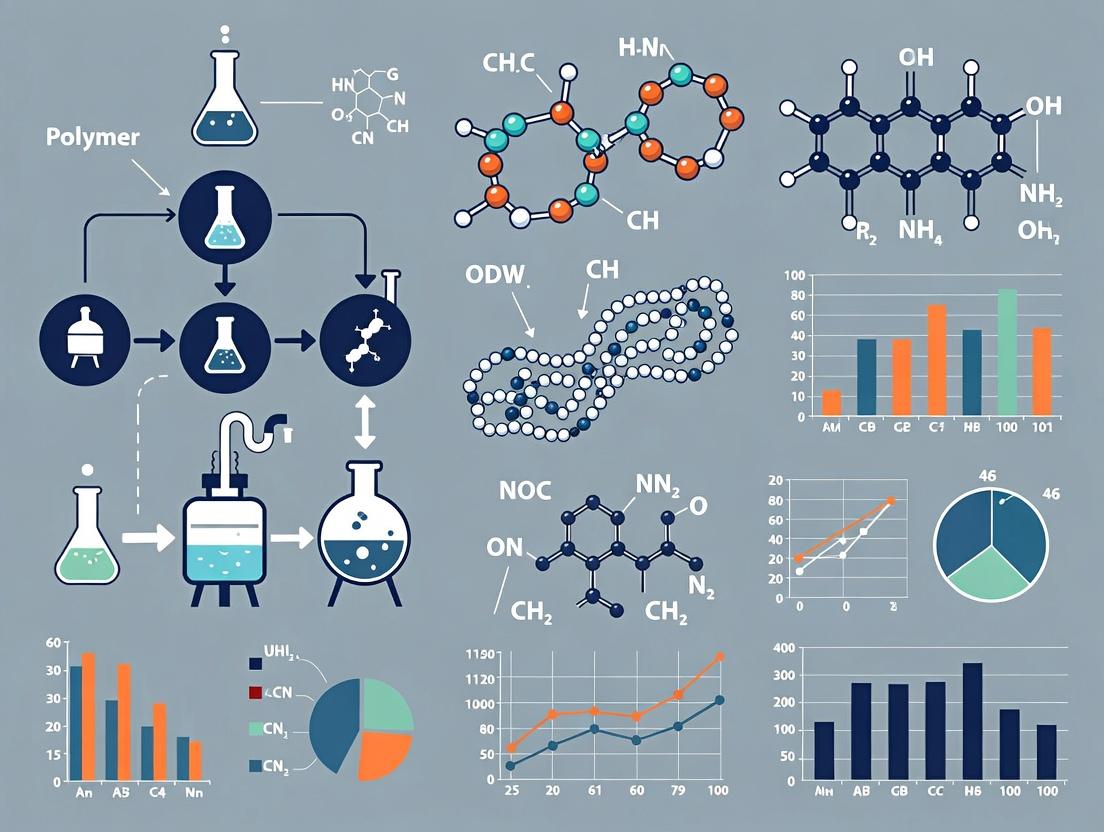
From Data to Delivery: How AI and Machine Learning Are Revolutionizing Polymer Manufacturing for Pharmaceutical Applications
This article provides a comprehensive guide to data-driven optimization in polymer manufacturing for researchers, scientists, and drug development professionals.
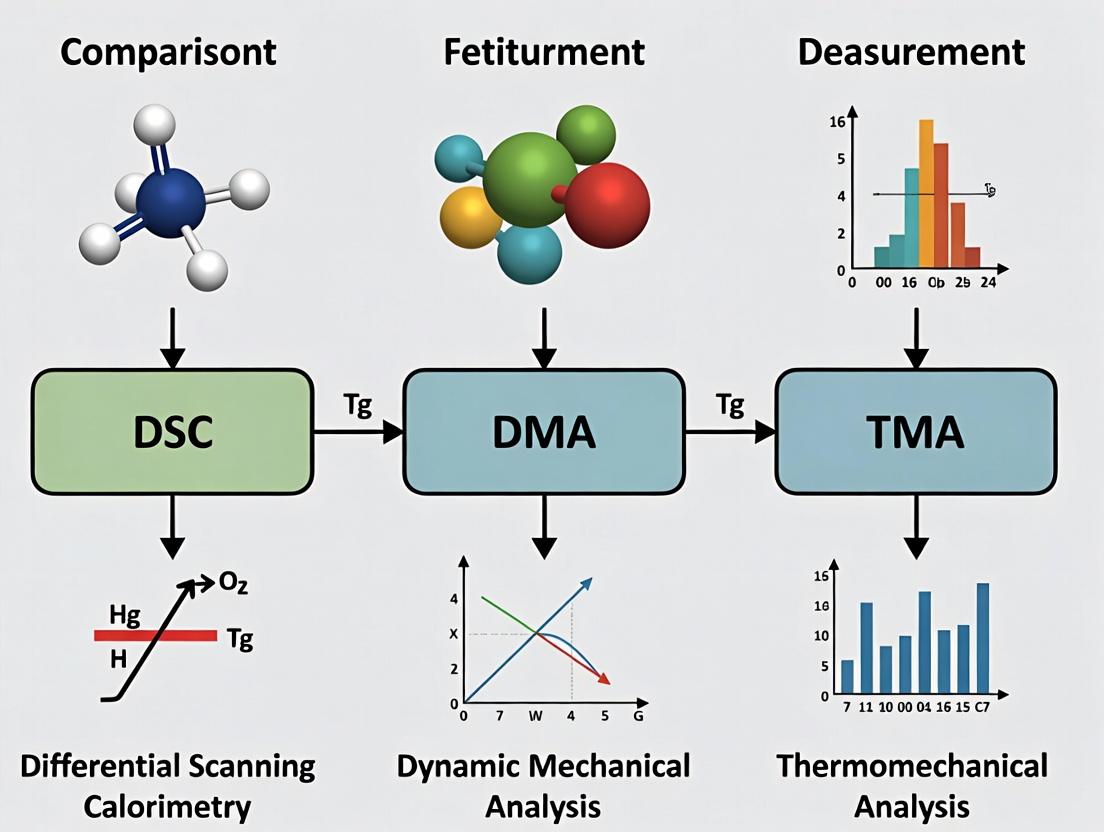
DSC vs DMA vs TMA: A Comprehensive Guide to Glass Transition Temperature (Tg) Measurement
This article provides researchers and pharmaceutical development professionals with an in-depth comparison of Differential Scanning Calorimetry (DSC), Dynamic Mechanical Analysis (DMA), and Thermomechanical Analysis (TMA) for determining the glass transition...
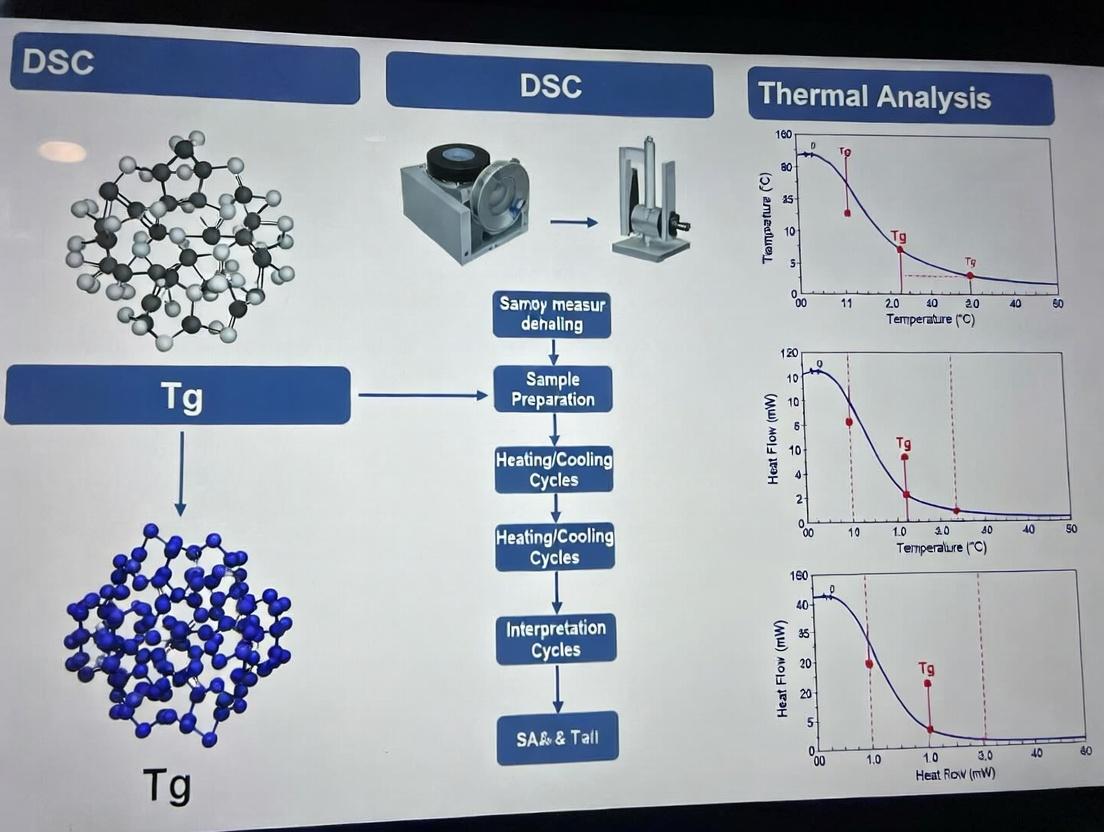
Measuring Tg with DSC: A Complete Protocol for Pharmaceutical Material Scientists
This article provides a comprehensive guide to Differential Scanning Calorimetry (DSC) for determining the glass transition temperature (Tg) of amorphous pharmaceutical solids.
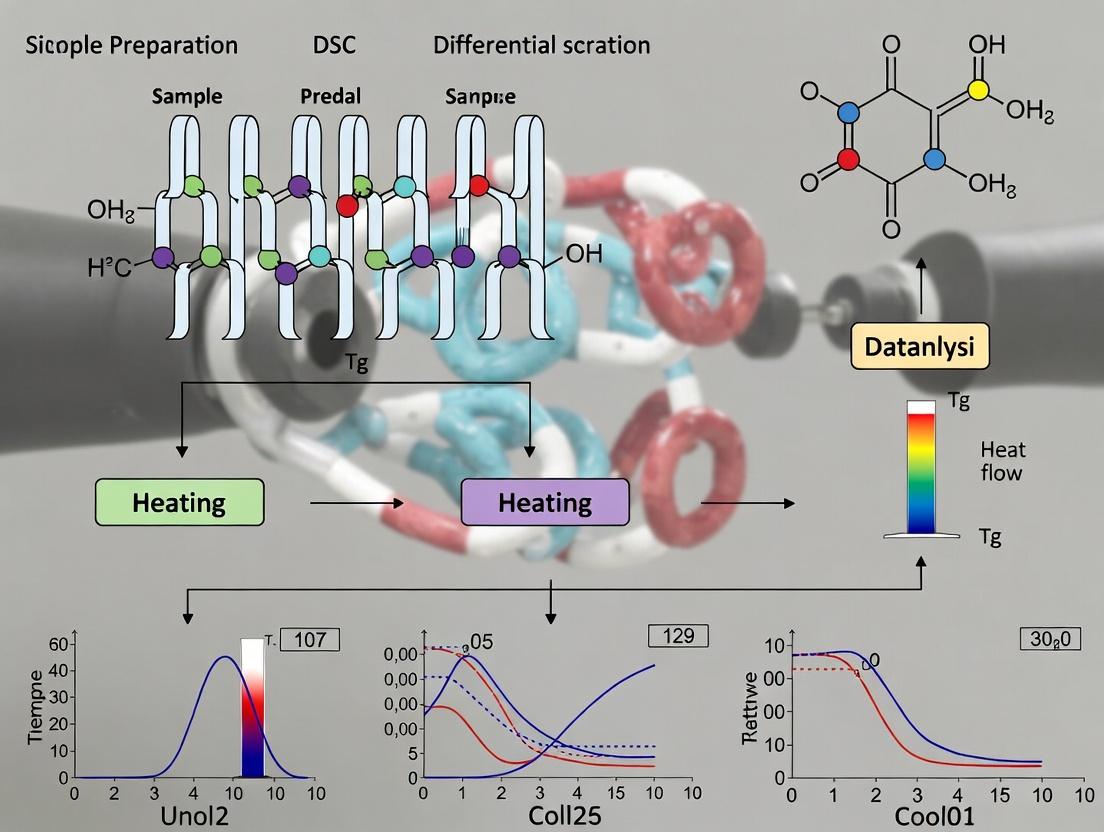
DSC for Tg Analysis: A Comprehensive Guide for Pharmaceutical Researchers
This article provides a complete guide to Differential Scanning Calorimetry (DSC) for measuring the glass transition temperature (Tg) of amorphous pharmaceutical solids.
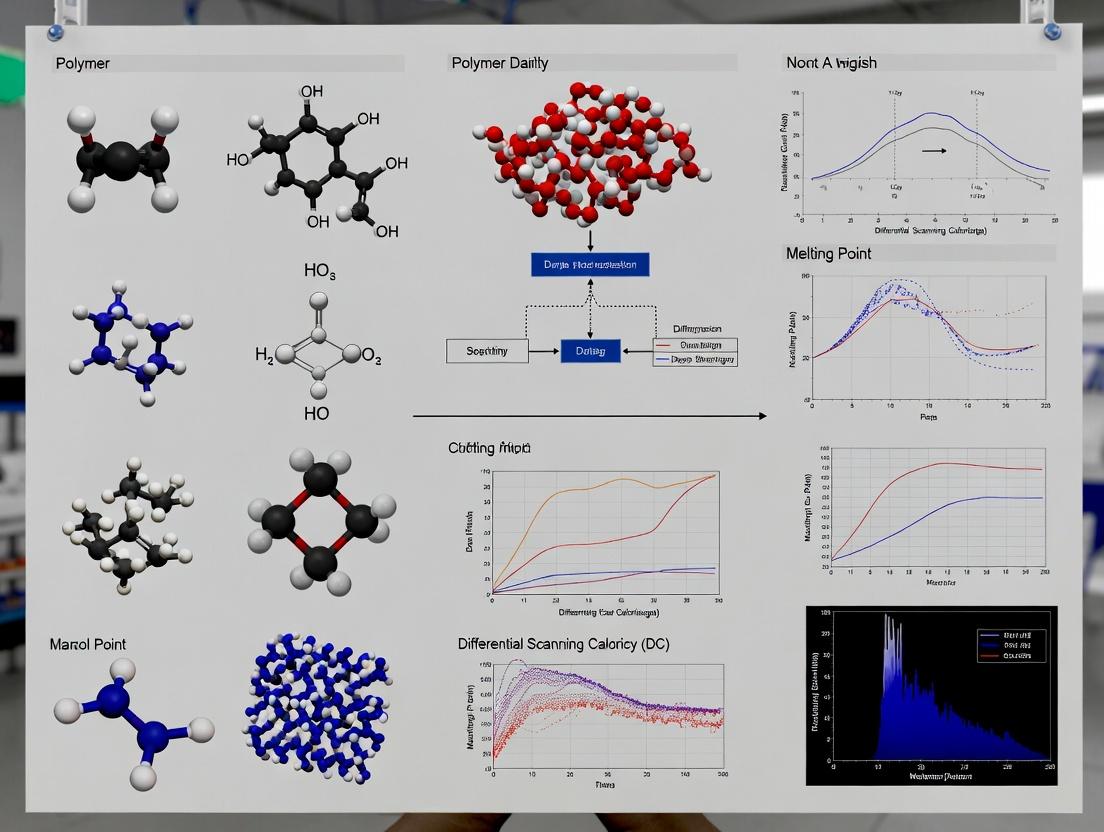
DSC Measurement of Polymer Melting Point: A Complete Guide for Material Science and Pharmaceutical Researchers
This comprehensive guide details the use of Differential Scanning Calorimetry (DSC) for determining polymer melting points, a critical parameter in material science and drug development.
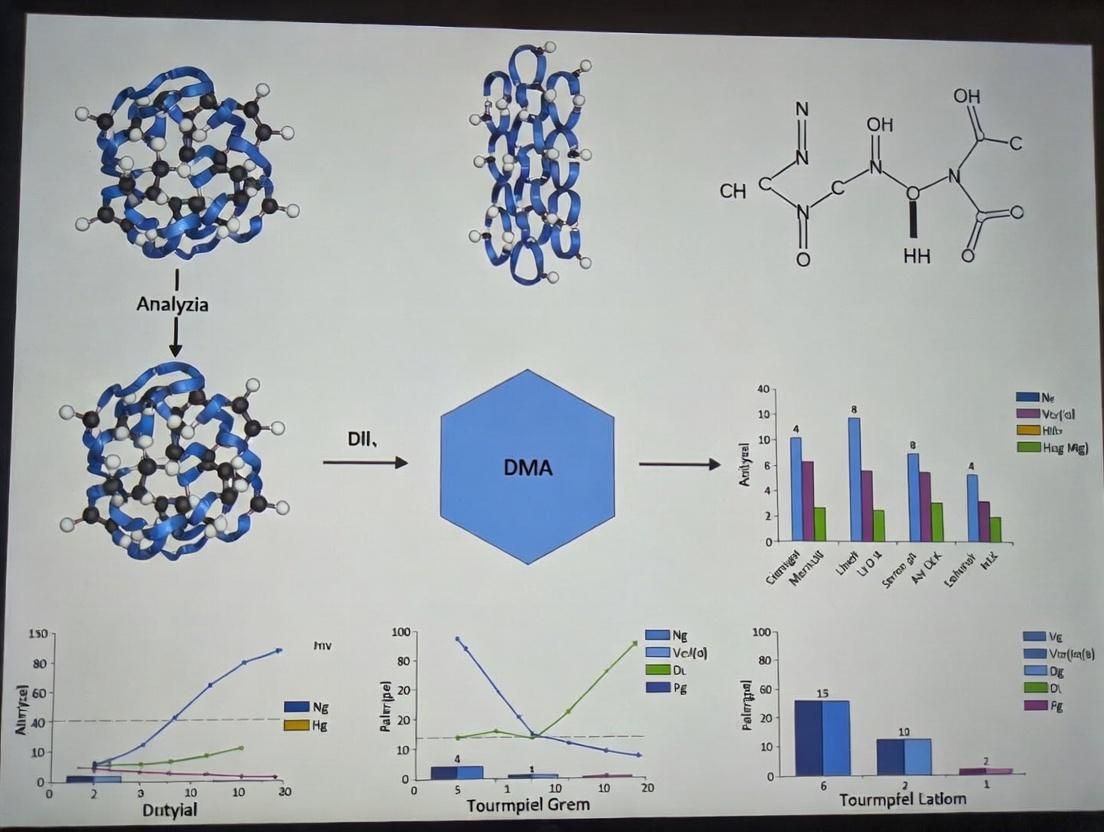
DMA Analysis of Polymers: A Complete Guide to Measuring Viscoelastic Properties for Biomedical Research
This comprehensive guide explores Dynamic Mechanical Analysis (DMA) as a critical tool for characterizing the viscoelastic properties of polymers in biomedical and pharmaceutical contexts.
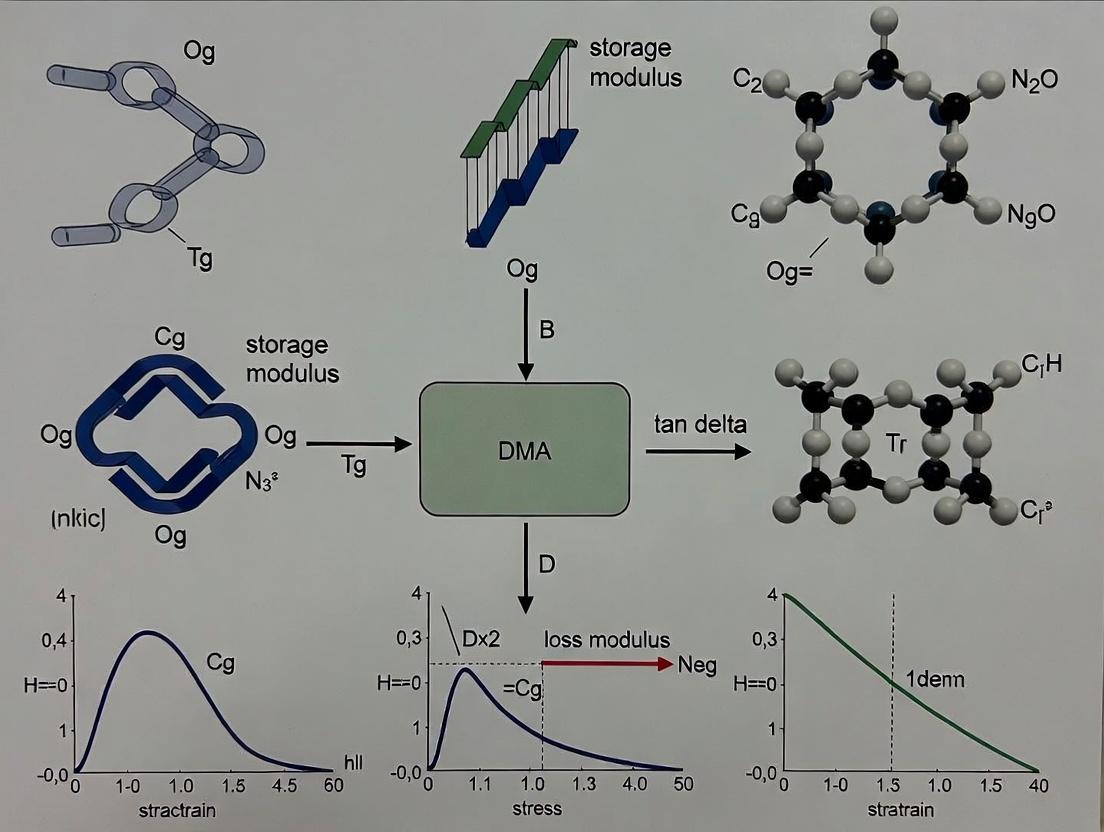
Accurate Tg Measurement in Polymer Composites: A Comprehensive DMA Guide for Biomedical Researchers
This article provides a definitive guide to Dynamic Mechanical Analysis (DMA) for measuring the glass transition temperature (Tg) in polymer composites, specifically tailored for biomedical and pharmaceutical applications.
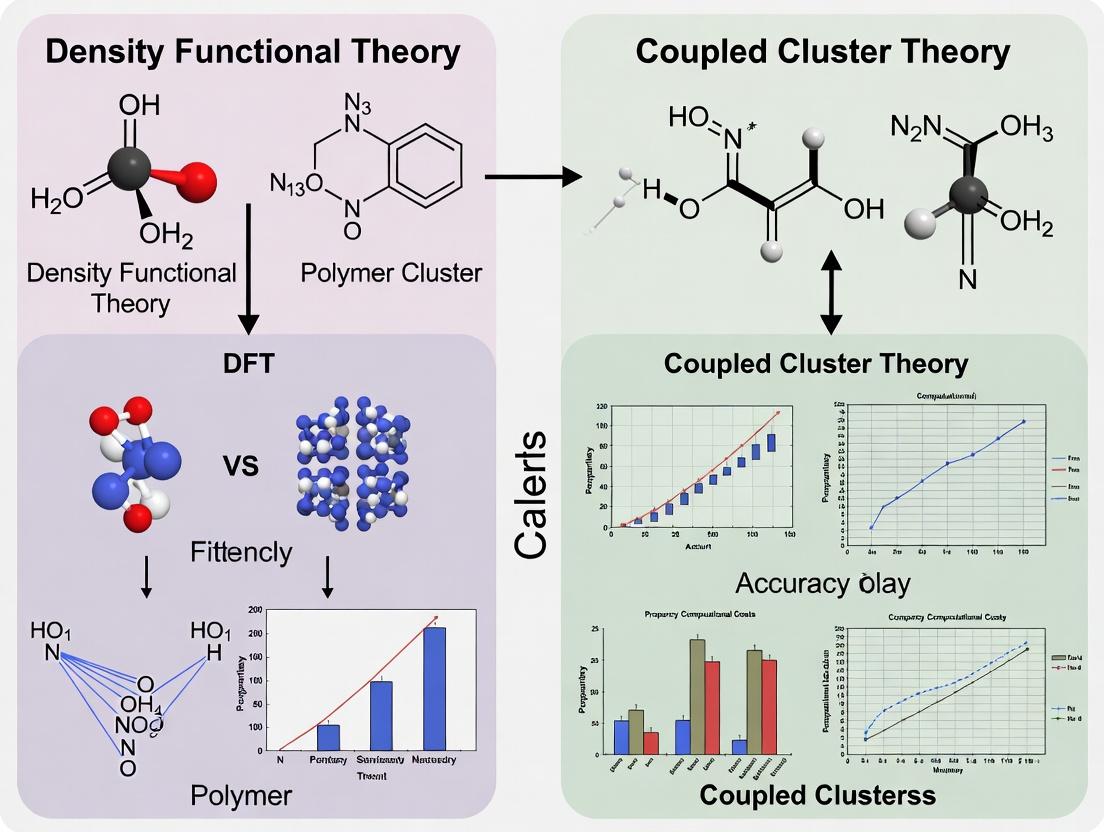
DFT vs Coupled Cluster Theory: Choosing the Right Quantum Chemistry Method for Materials and Drug Discovery
This article provides a comprehensive, practical guide for computational researchers in materials science and drug development on selecting between Density Functional Theory (DFT) and Coupled Cluster (CC) methods.
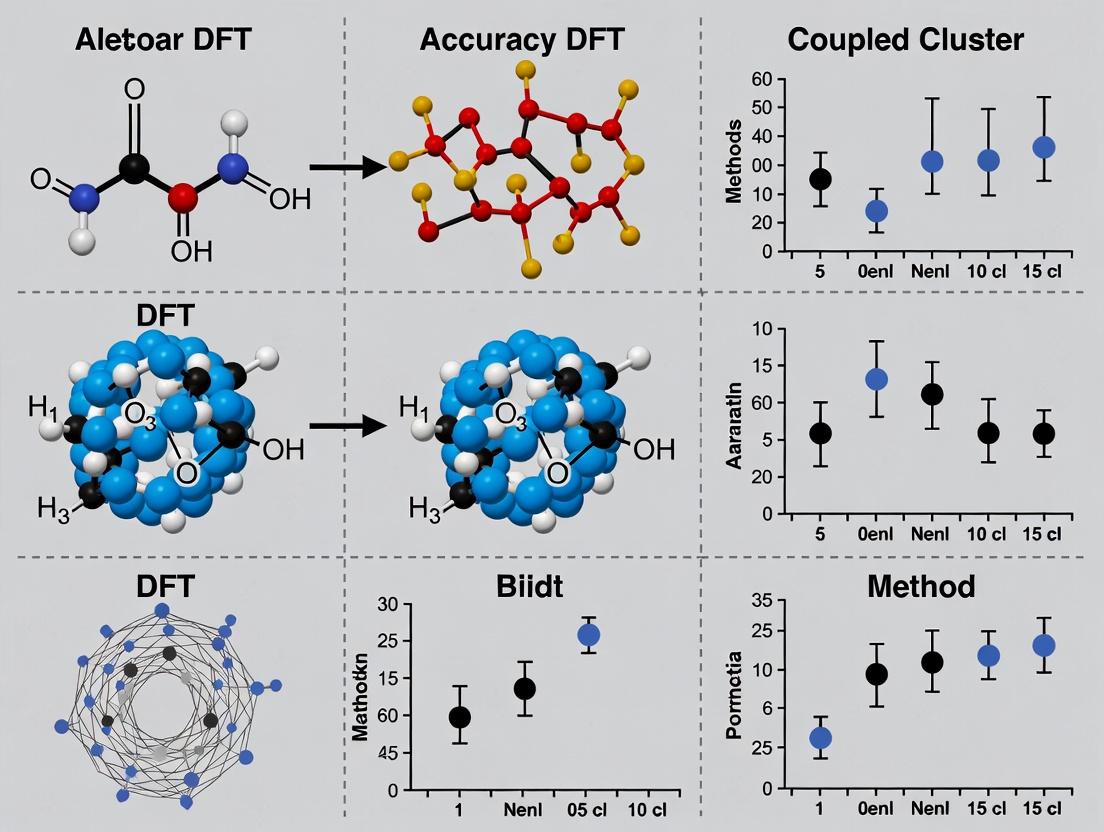
Benchmarking DFT vs Coupled Cluster for Polymer Properties: Accuracy, Cost, and Practical Applications in Biomedical Research
This article provides a comprehensive benchmark analysis of Density Functional Theory (DFT) and Coupled Cluster (CC) methods for calculating key properties of polymer systems relevant to biomedical applications.
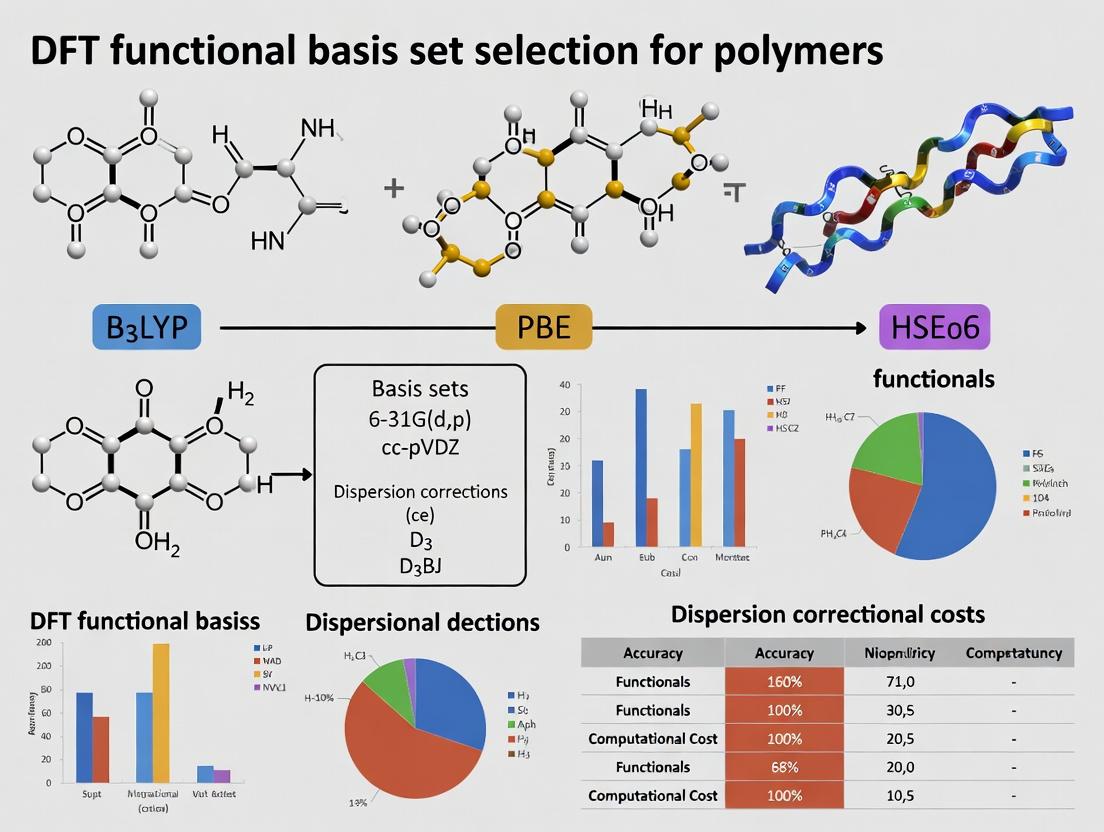
The Definitive Guide to DFT Functional and Basis Set Selection for Polymer Simulations: Accuracy, Efficiency, and Best Practices for Biomedical Research
Selecting appropriate Density Functional Theory (DFT) functionals and basis sets is critical for accurate and computationally feasible simulations of polymer systems, from drug-delivery nanoparticles to biomaterial interfaces.